


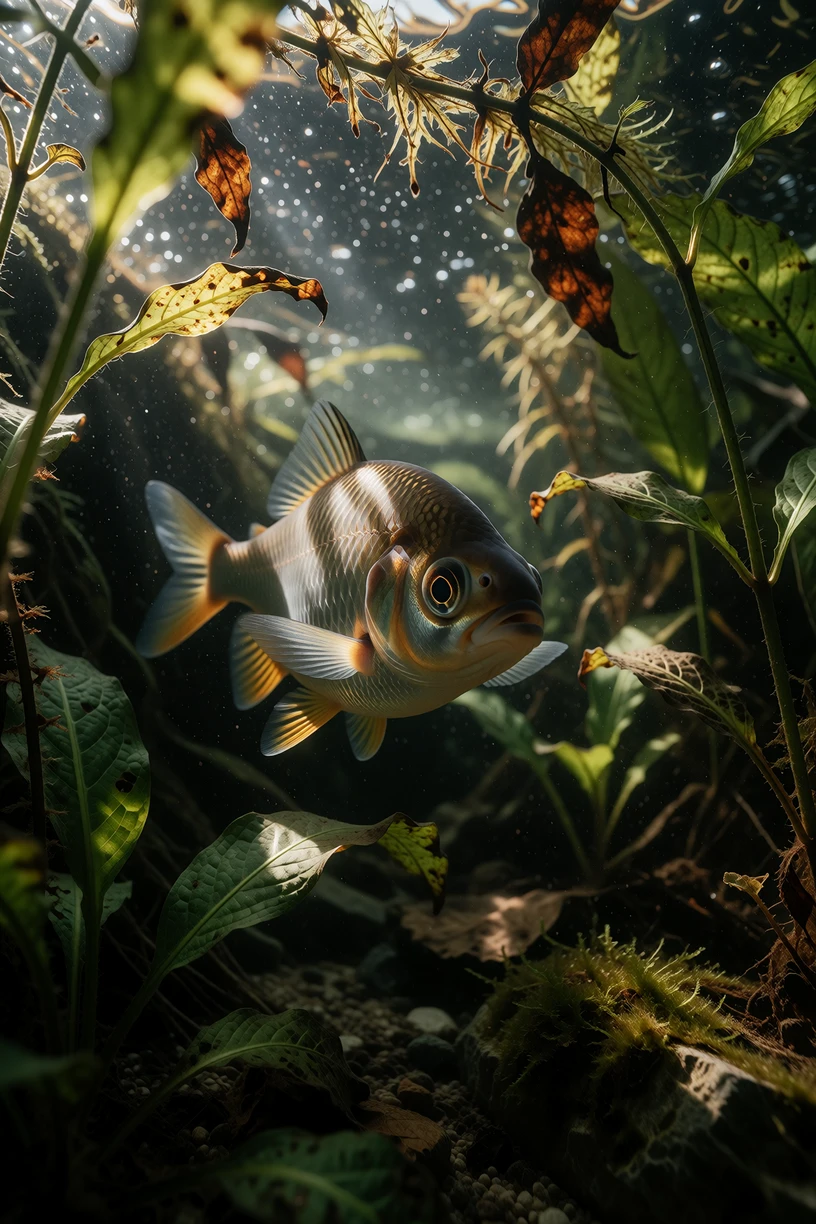
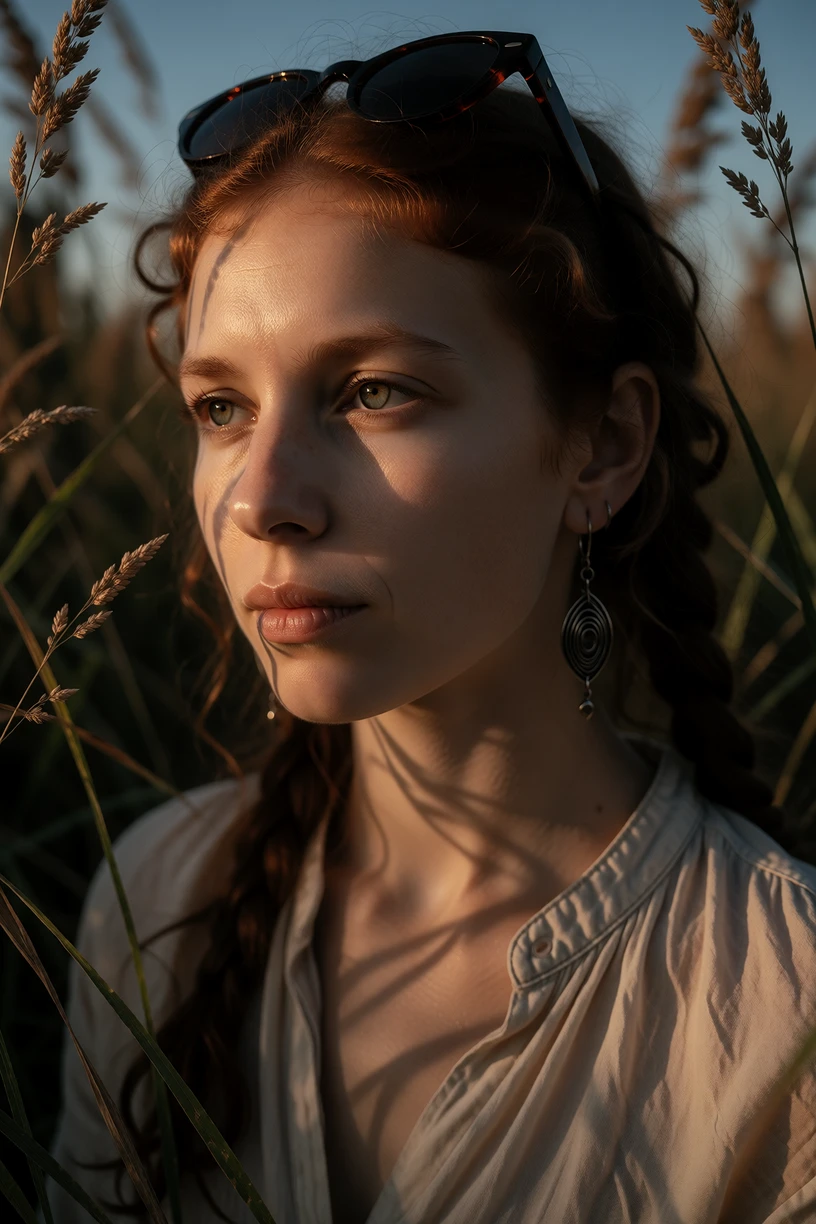
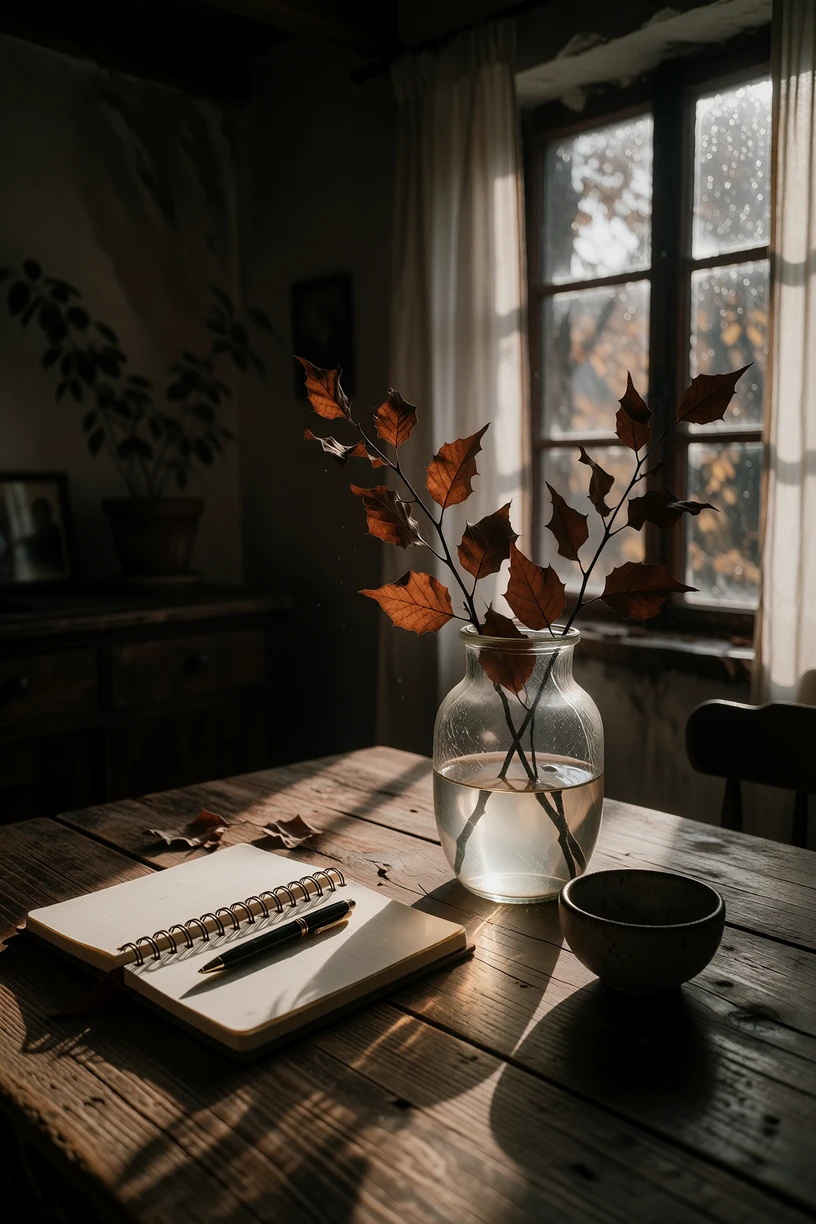
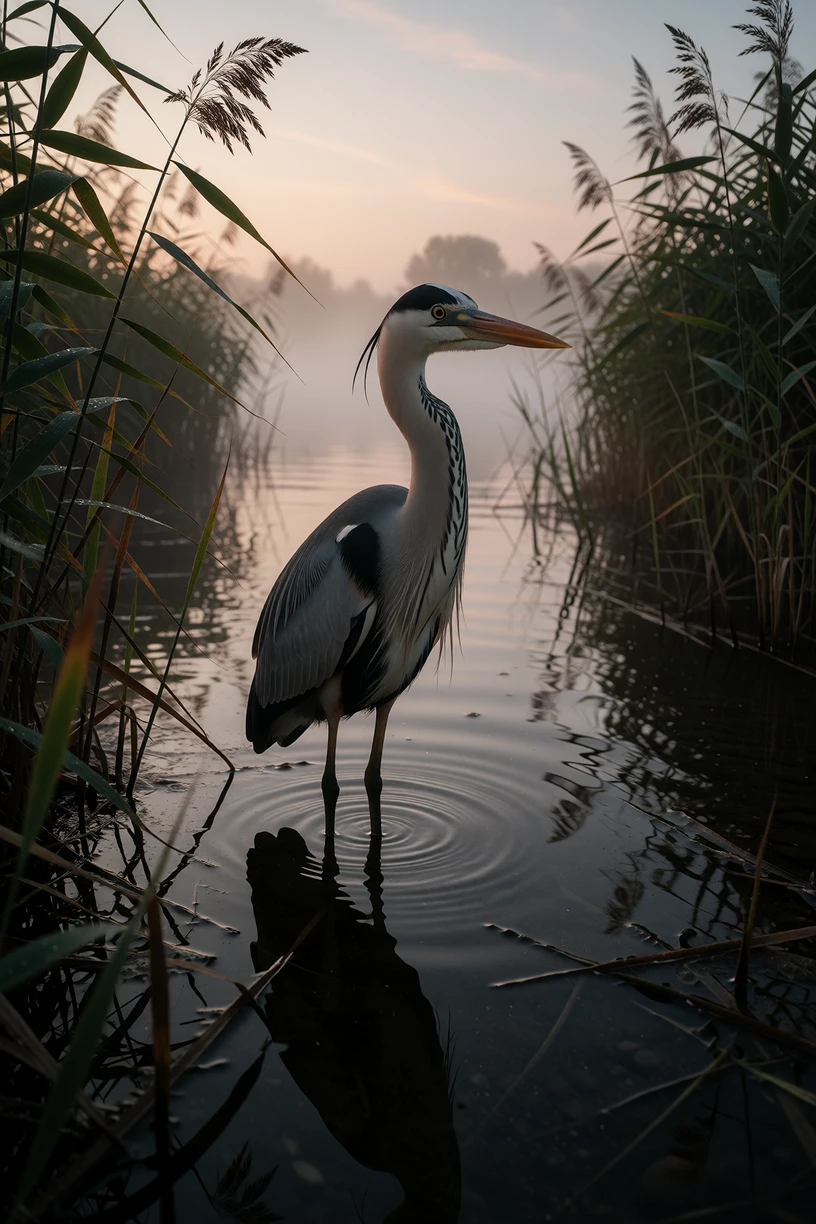
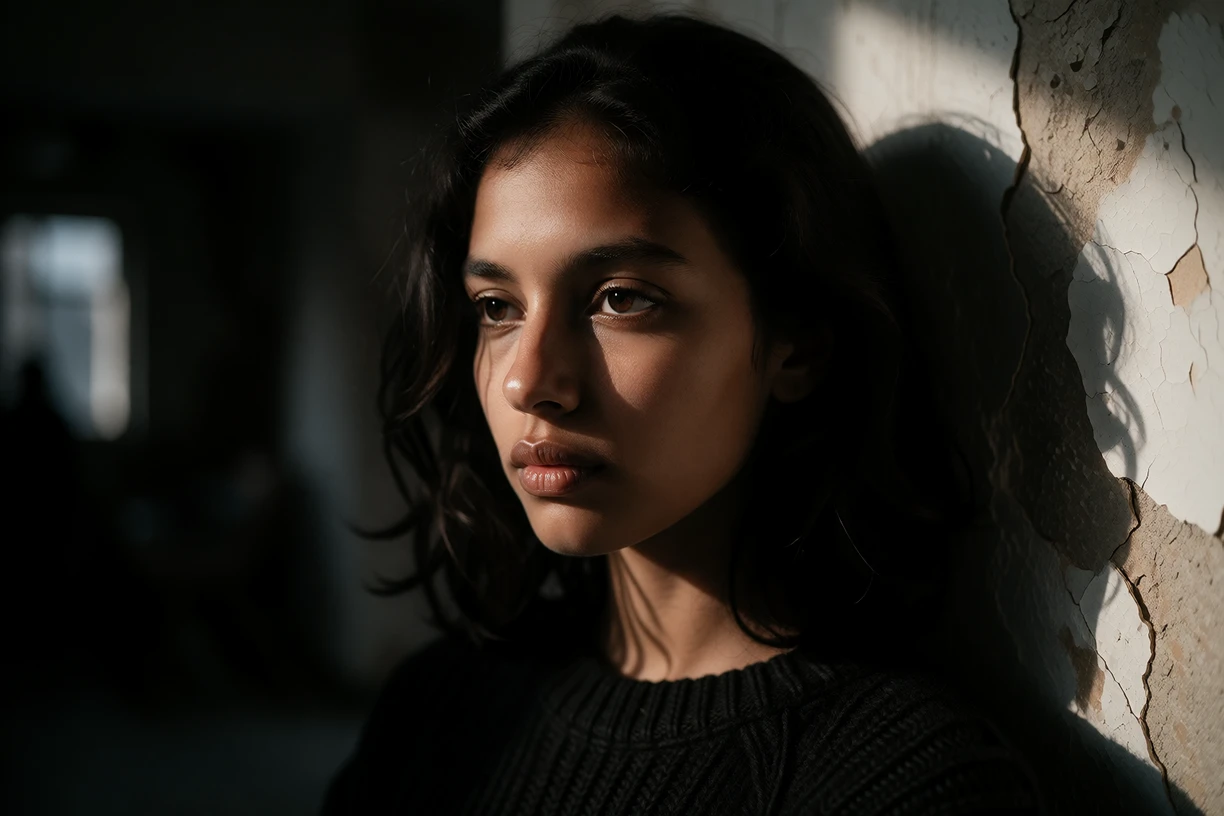
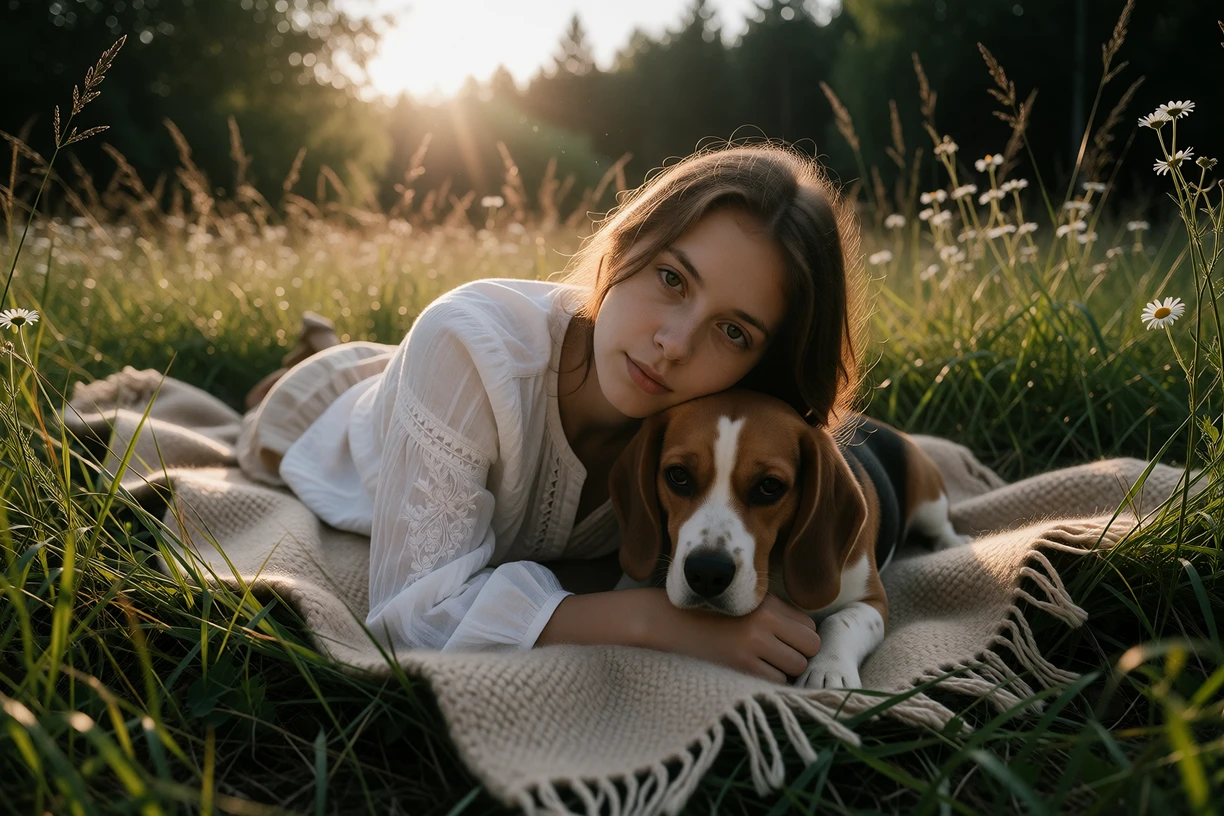
( Not my Model )
https://civitai.com/models/2951888/photographic-scene-coherence?modelVersionId=3363193
Photographic Scene Coherence
A photographic style LoRA focused on scene coherence, environmental integration, spatial composition and consistent light interaction across varied environments.
A photography-focused LoRA that encourages generated images to read as coherent photographic scenes rather than as isolated subjects placed in front of a background.
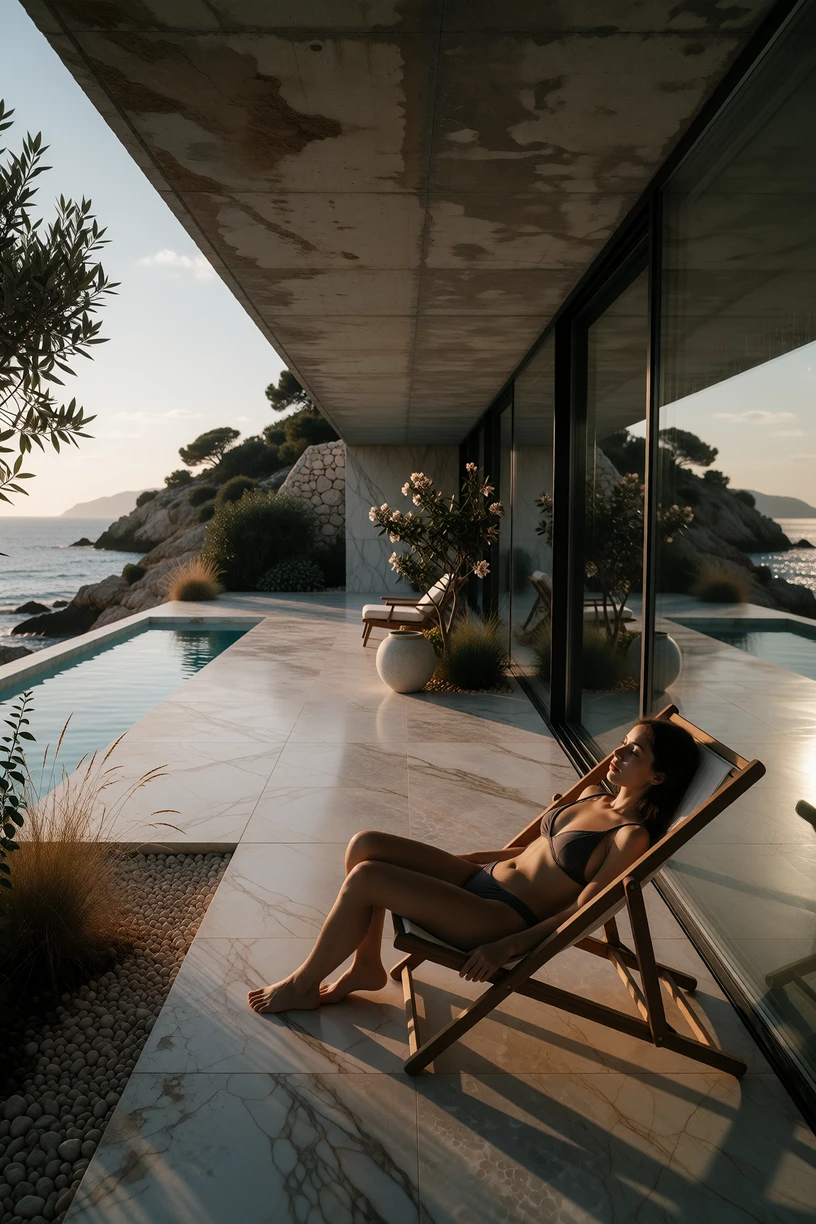
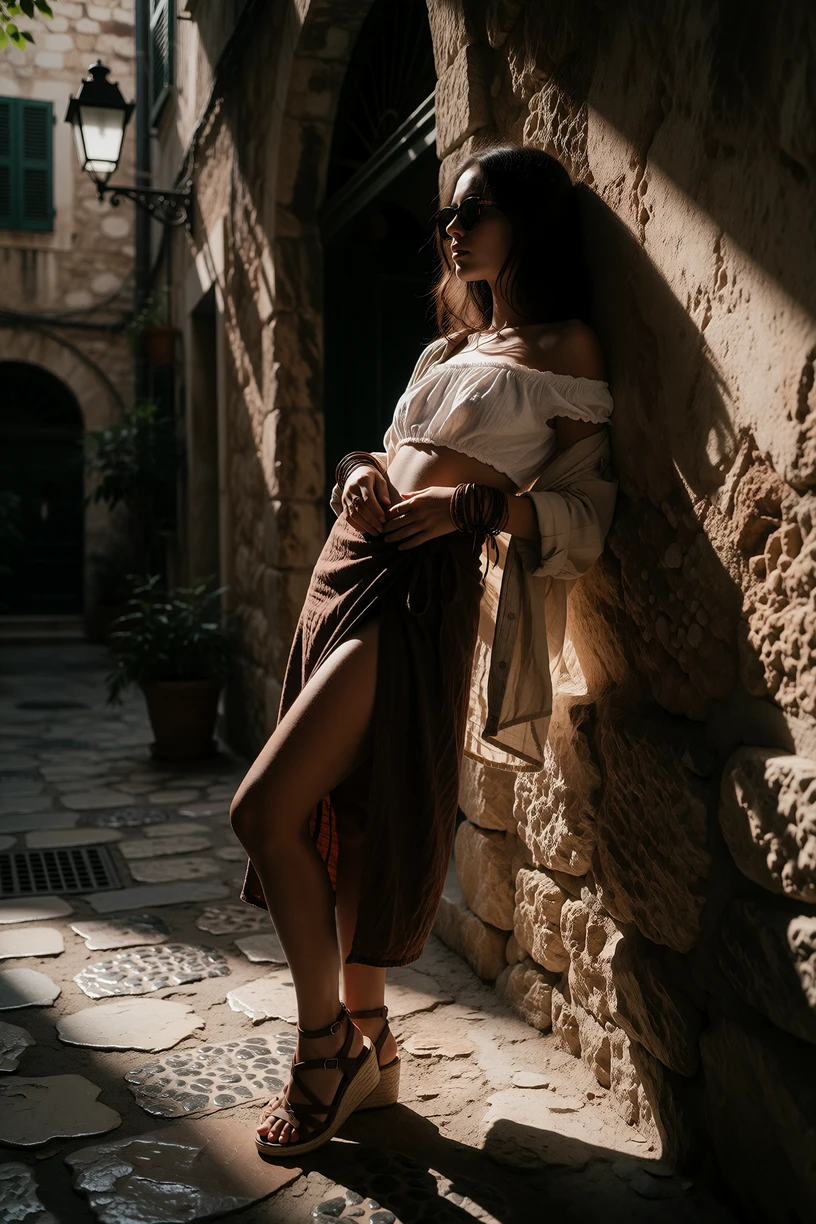
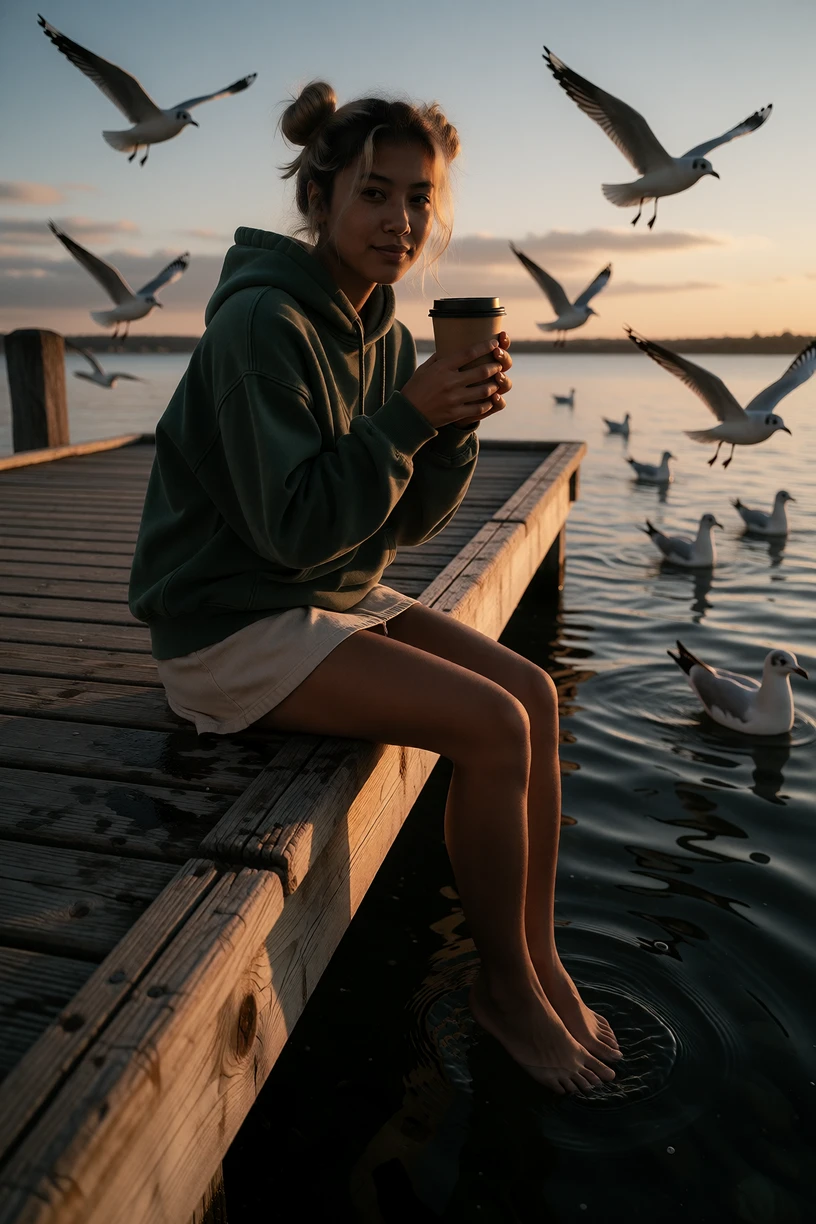
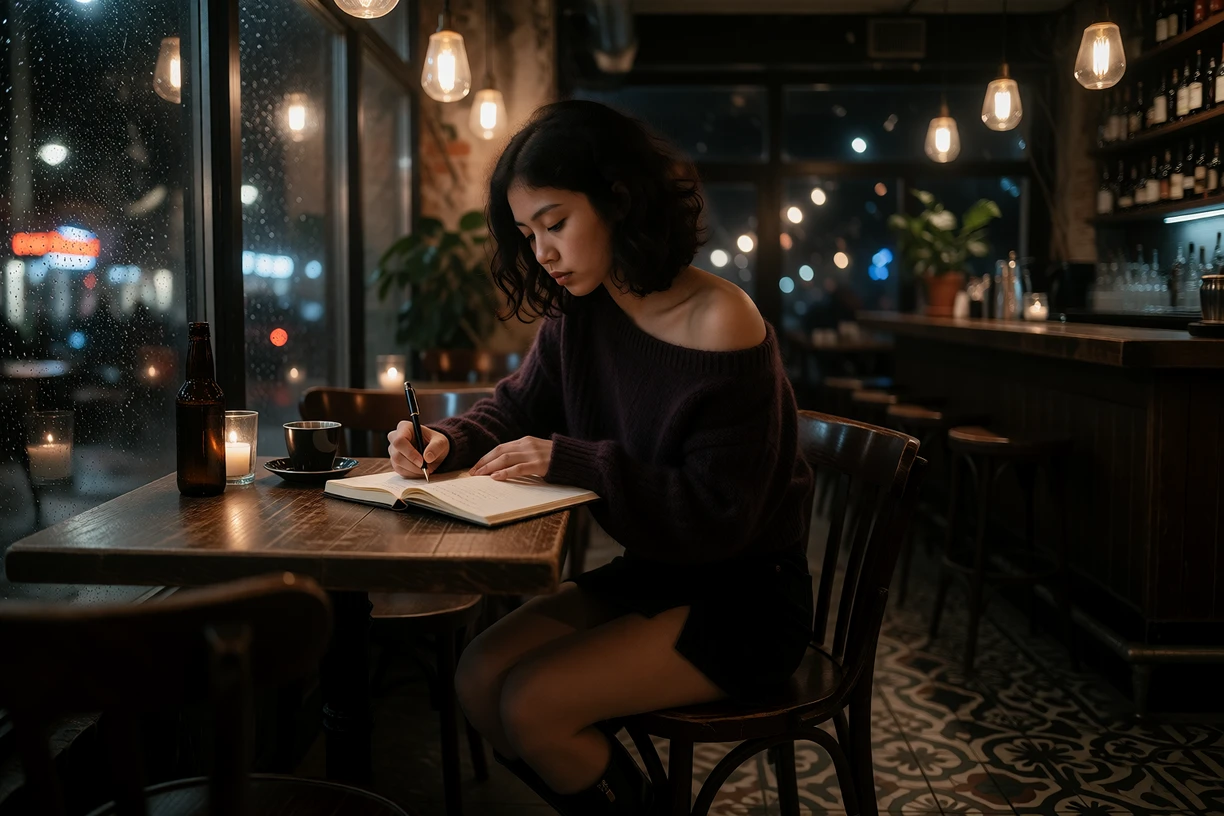
The LoRA influences how people, objects, lighting and environments are organized within the image. Its main tendencies include stronger environmental integration, clearer depth structure, more deliberate foreground and background relationships, coherent perspective and a more unified photographic composition.
Its effect is primarily concerned with how the scene is organized and photographed .
Main characteristics
-
stronger spatial integration between subjects and their surroundings,
-
more believable placement and contact with the environment,
-
clearer foreground, middle-ground and background structure,
-
stronger perspective and camera-based composition,
-
more coherent relationships between people, furniture and surrounding objects,
-
more unified interaction between light, materials and subjects,
-
stronger atmospheric depth and subject separation,
-
more deliberate color and tonal relationships,
-
editorial and environmental photographic rendering.
The LoRA is not tied to one specific lighting setup or time of day. It can work across a broad range of conditions, including bright daylight, low warm sunlight, overcast light, blue hour, interior daylight, window light, mixed indoor/outdoor illumination, firelight, moonlight and narrow directional light.
It does not simply apply one fixed cinematic lighting preset. Instead, it tends to reinforce the relationships between the light sources, shadows, materials and subjects already described or implied by the prompt.
Higher-strength behavior
At higher strengths, the LoRA can influence camera position, crop, pose and the arrangement of scene elements more noticeably.
It generally follows explicitly described subject and clothing details. However, unspecified visual information may be interpreted more freely. At strengths around 0.8 and above, some images may develop a stronger fine-art nude or partially nude tendency, particularly when clothing coverage is not clearly specified in the prompt.
This is not the primary purpose of the LoRA, but it is a behavior worth noting when using high strengths.
With multiple subjects, higher strengths may also occasionally encourage more connected gaze direction, gestures or body language. This effect is inconsistent and should not be considered a guaranteed interaction-control feature.
Recommended strength
0.4–0.6  Subtle photographic and spatial influence

0.6–0.8  Stronger scene coherence and environmental integration

0.8–1.0  More assertive compositional influence

1.0+     Potentially invasive interpretation of unspecified details
A good starting point is 0.6 . Use 0.8 when a stronger environmental and photographic effect is desired. Higher values may produce more significant changes to pose, composition and unspecified clothing or body presentation.
Summary
The LoRA does not primarily change what is depicted. It changes how the depicted elements are organized into a coherent photographic scene.
It is intended to make generated images feel more like photographs taken in a real environment, with stronger relationships between people, objects, space, light, materials and depth.