



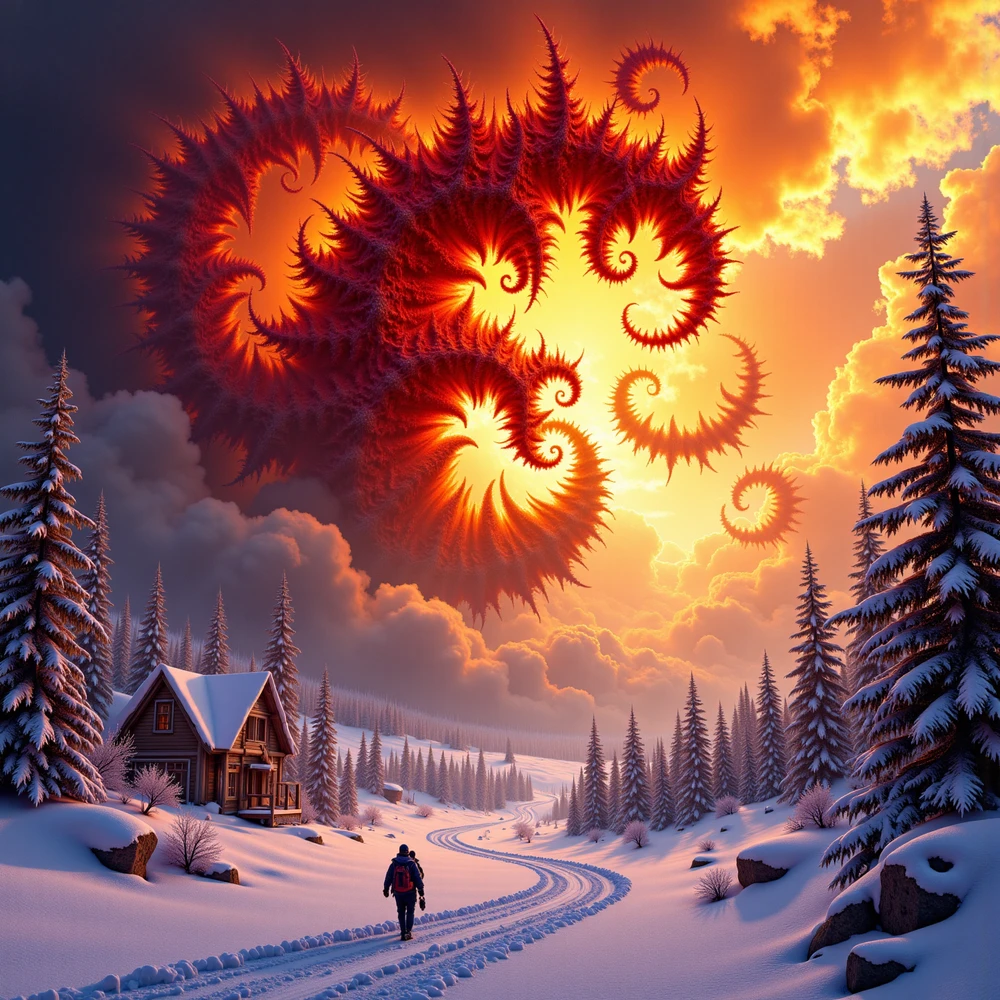
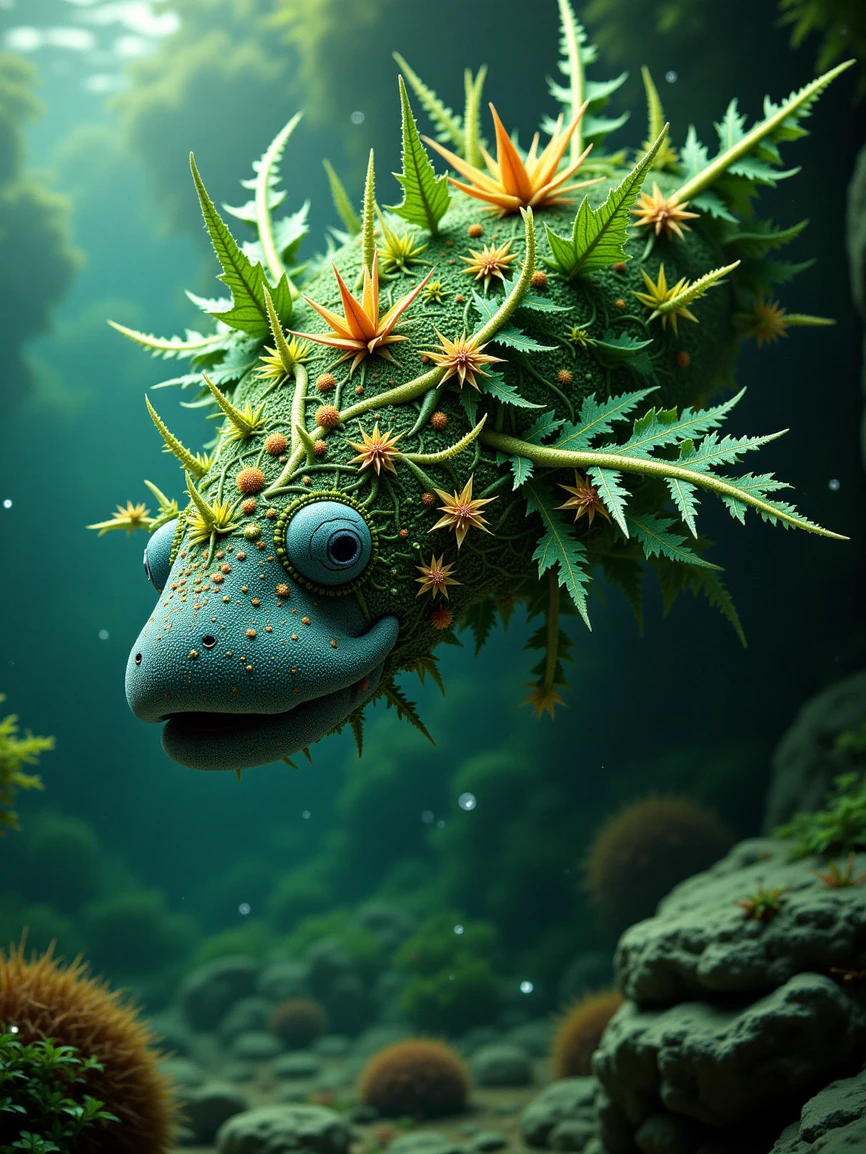
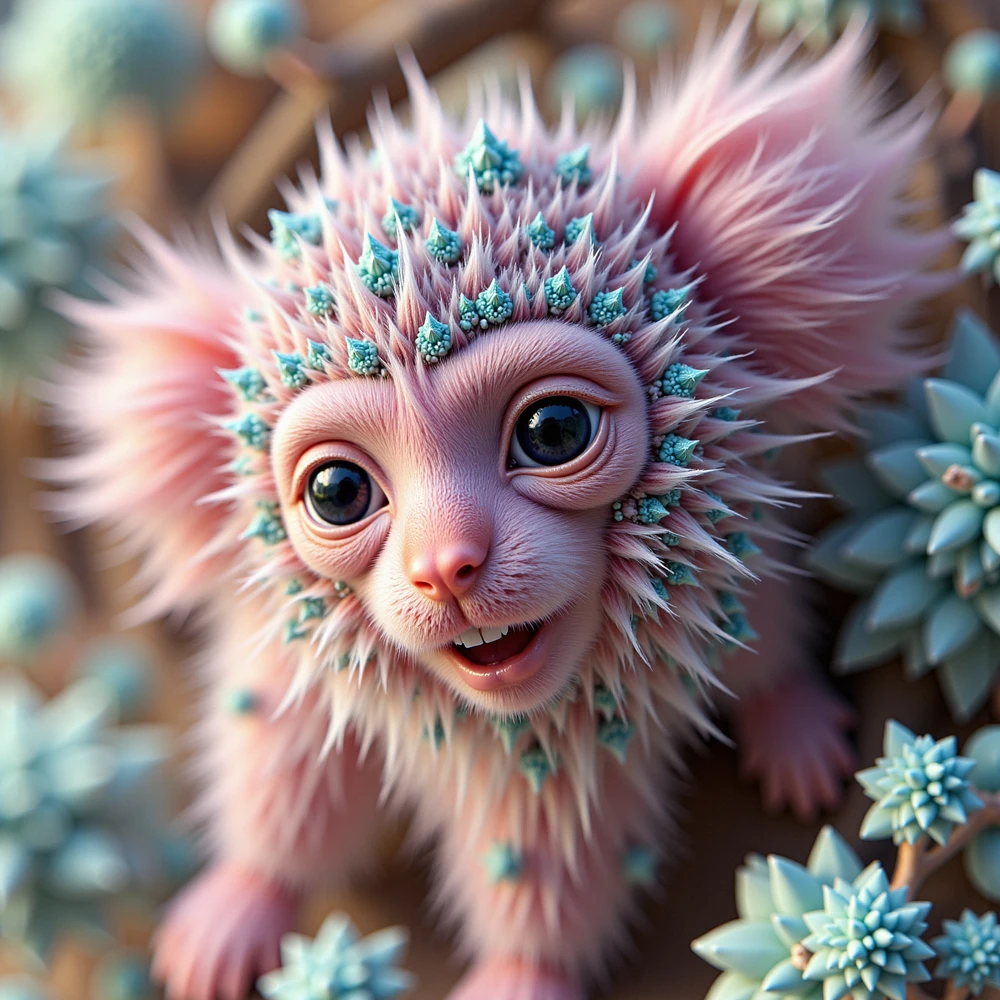
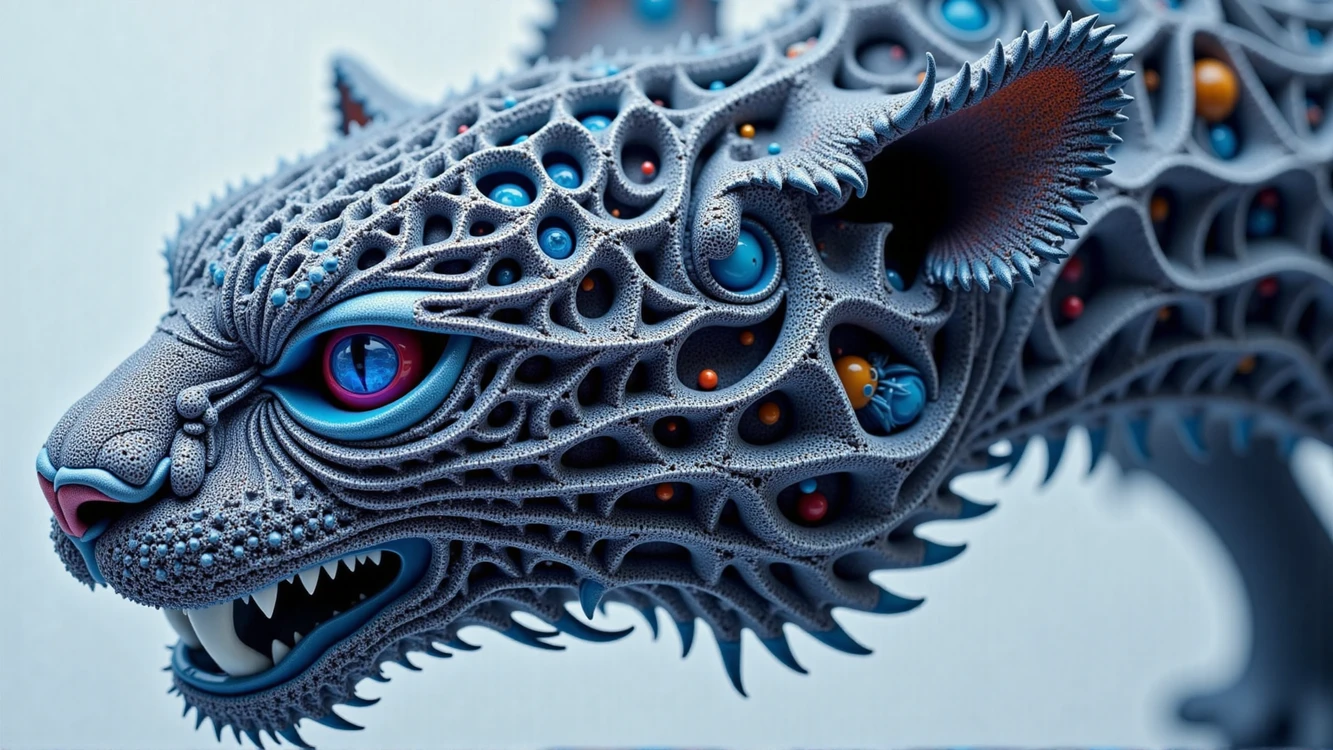
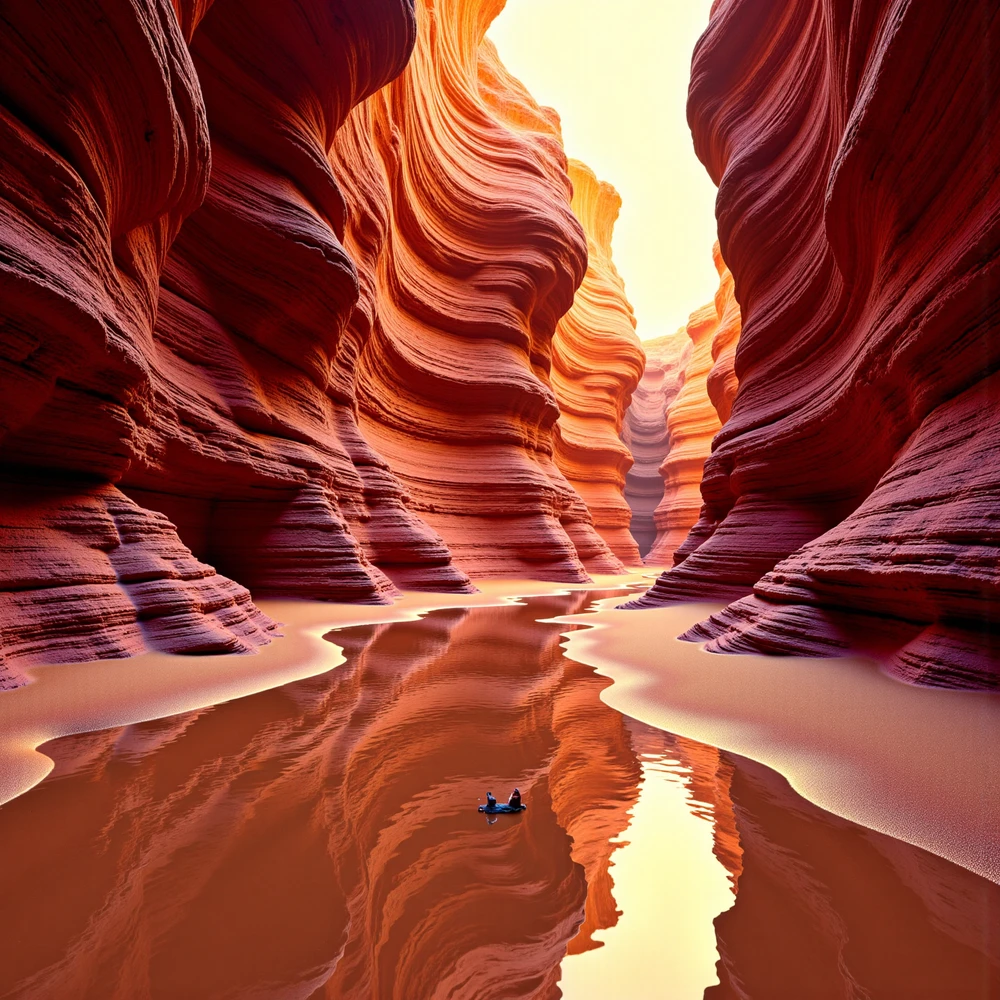
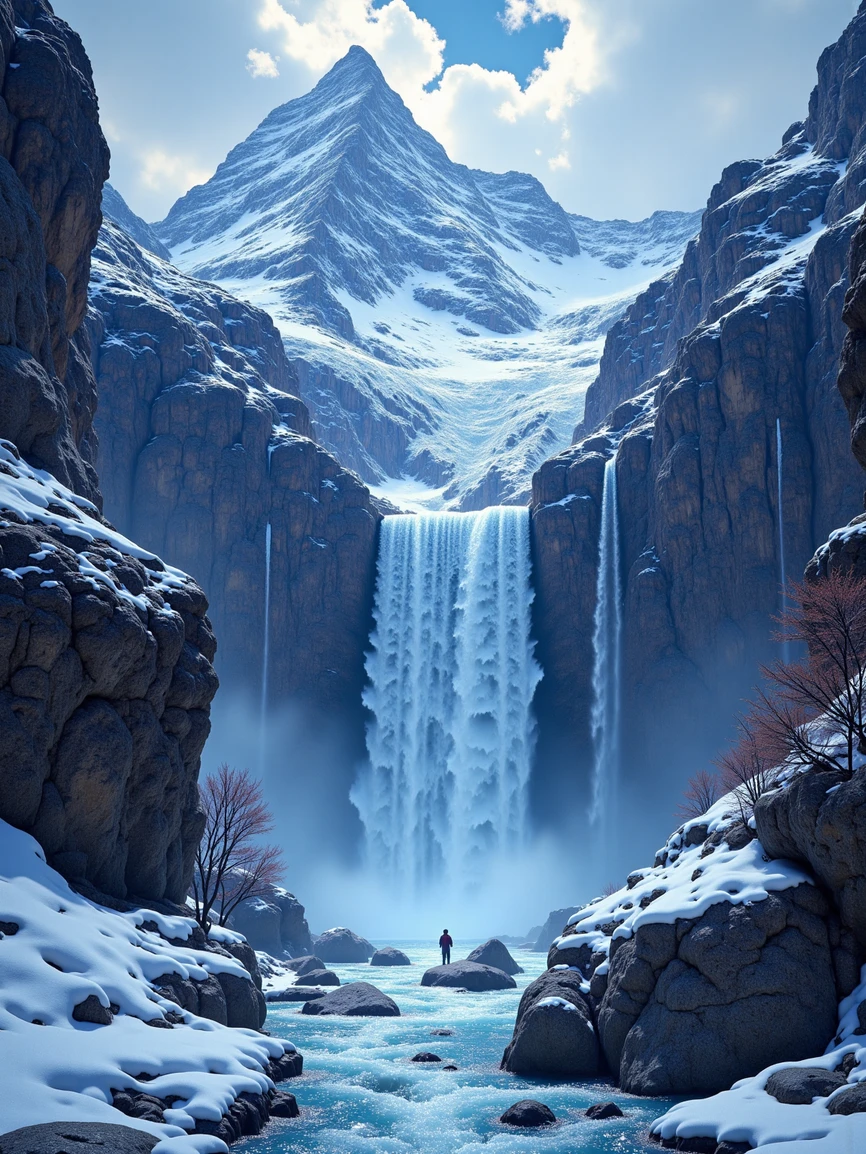
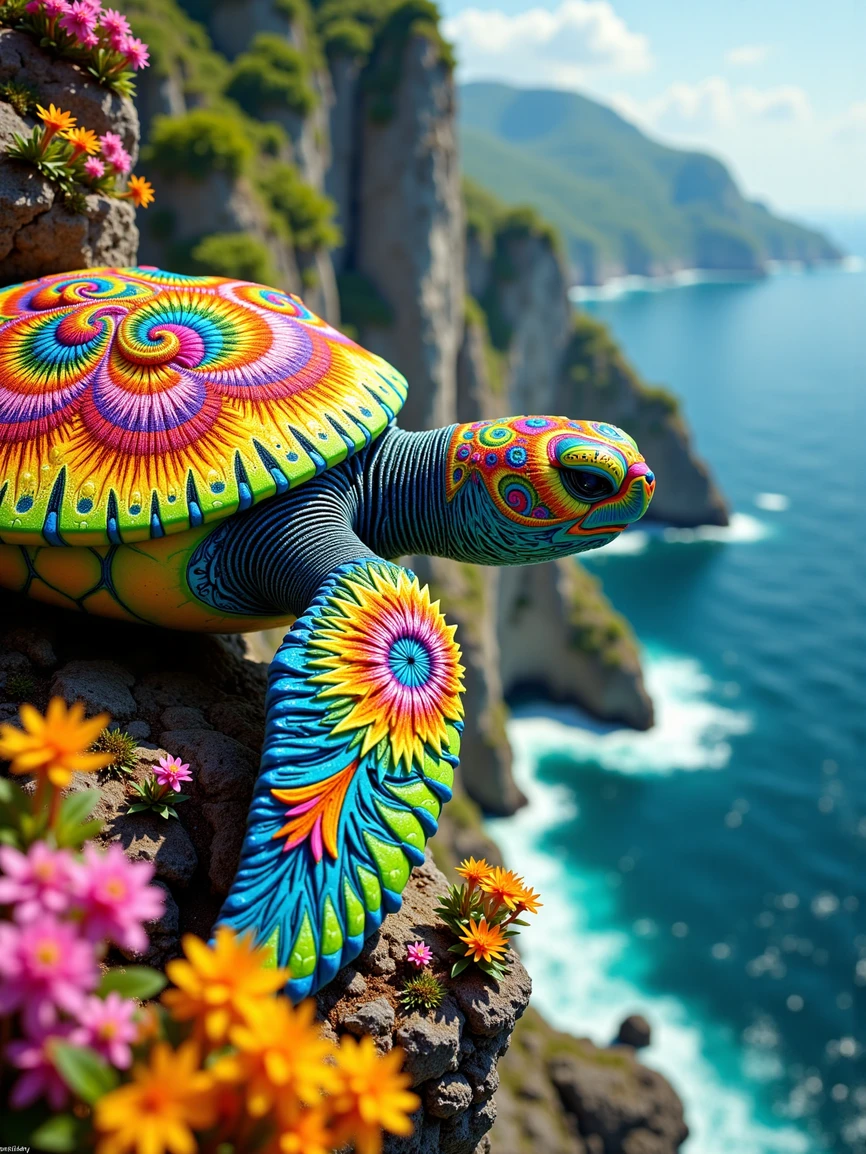
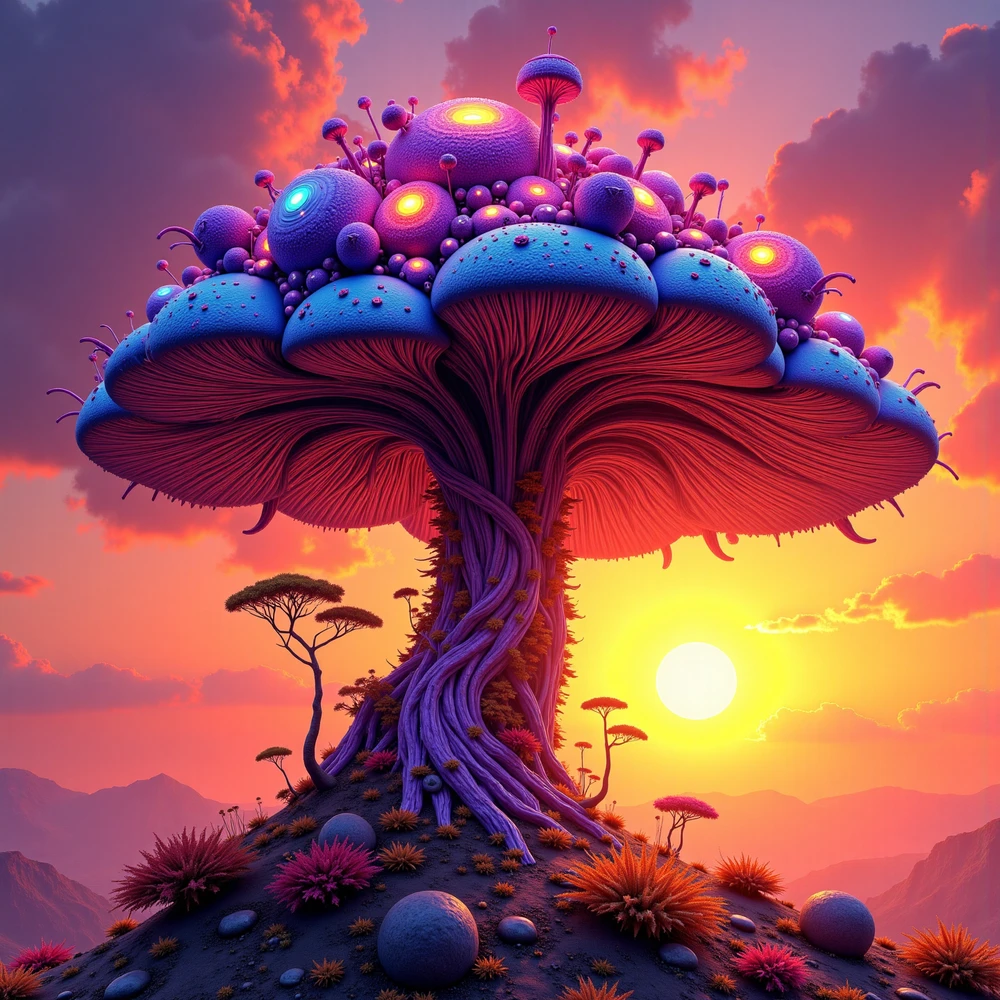

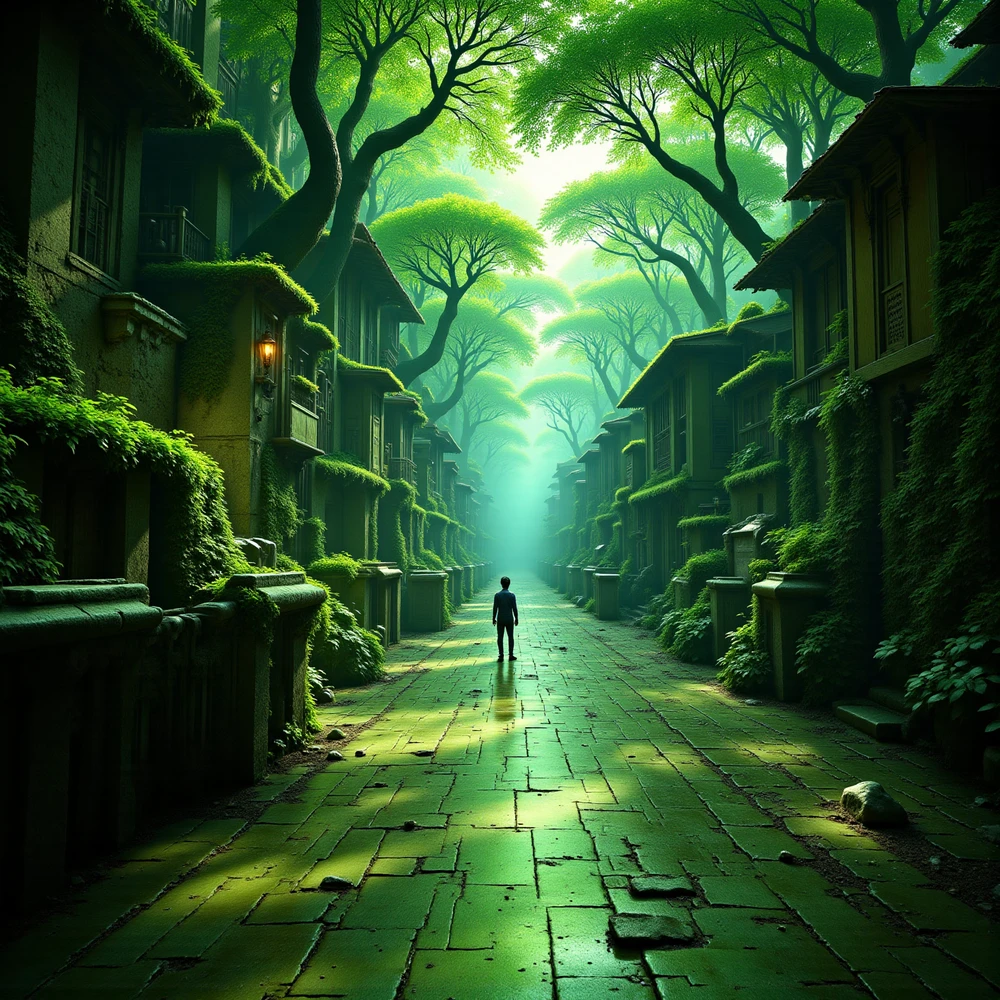
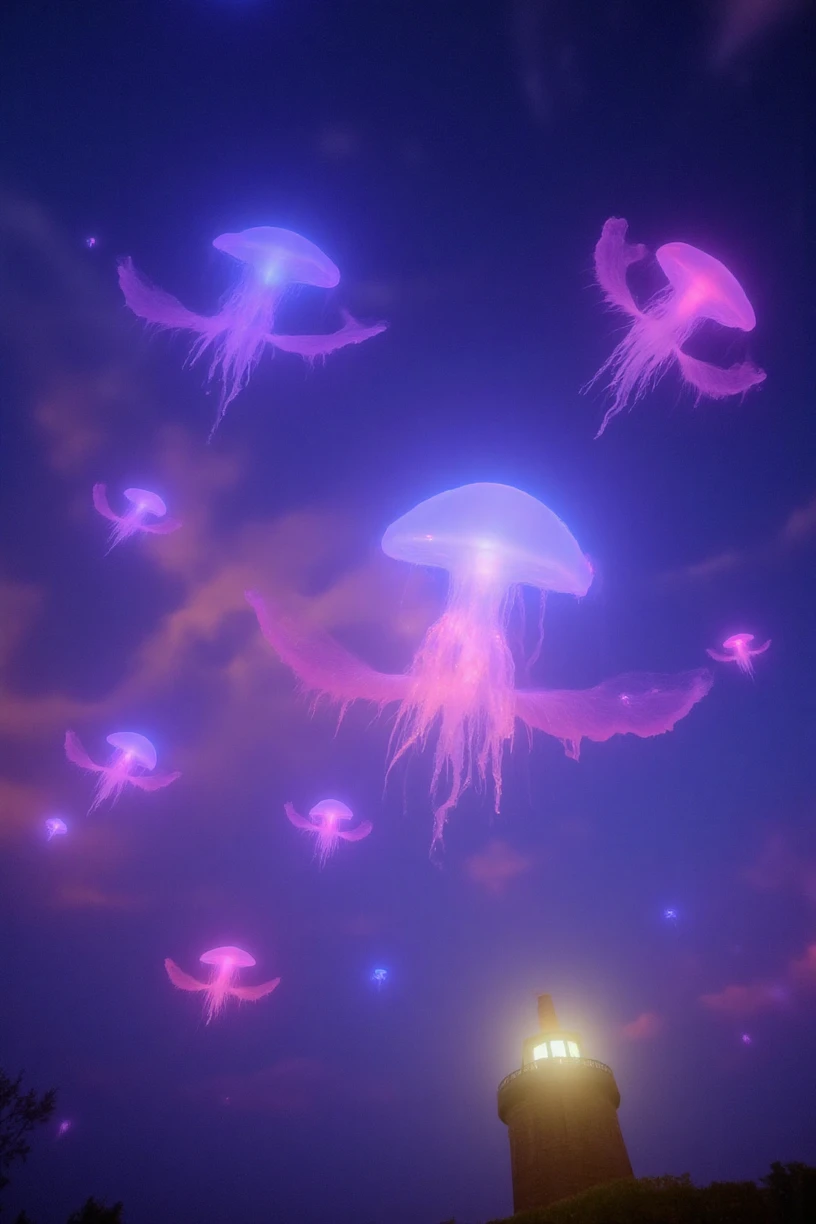
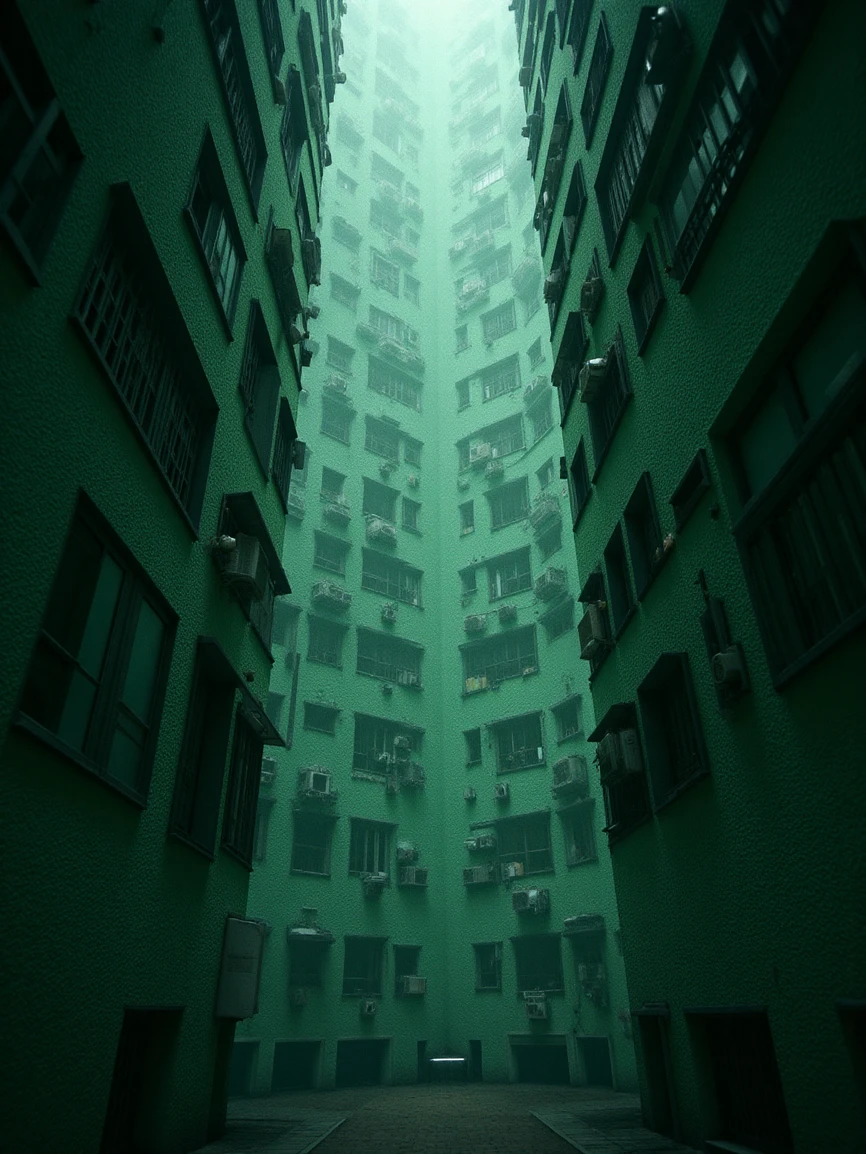
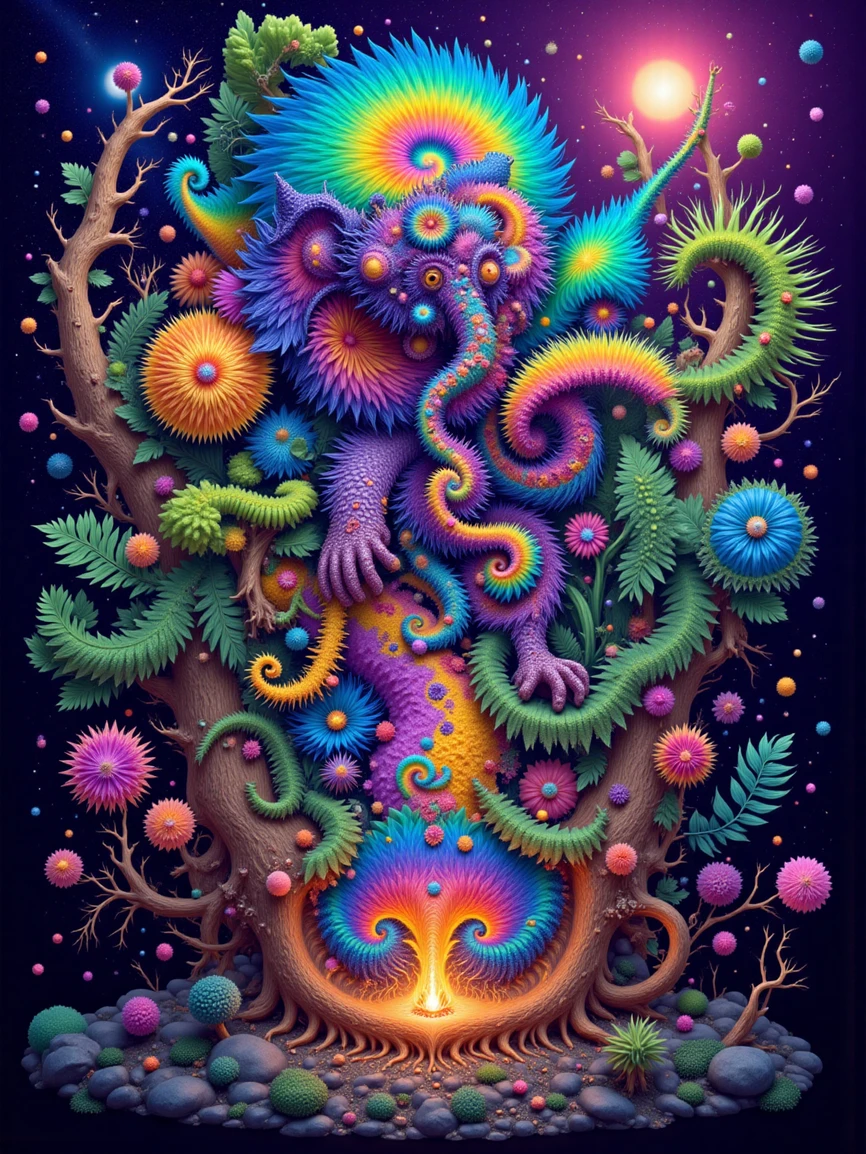
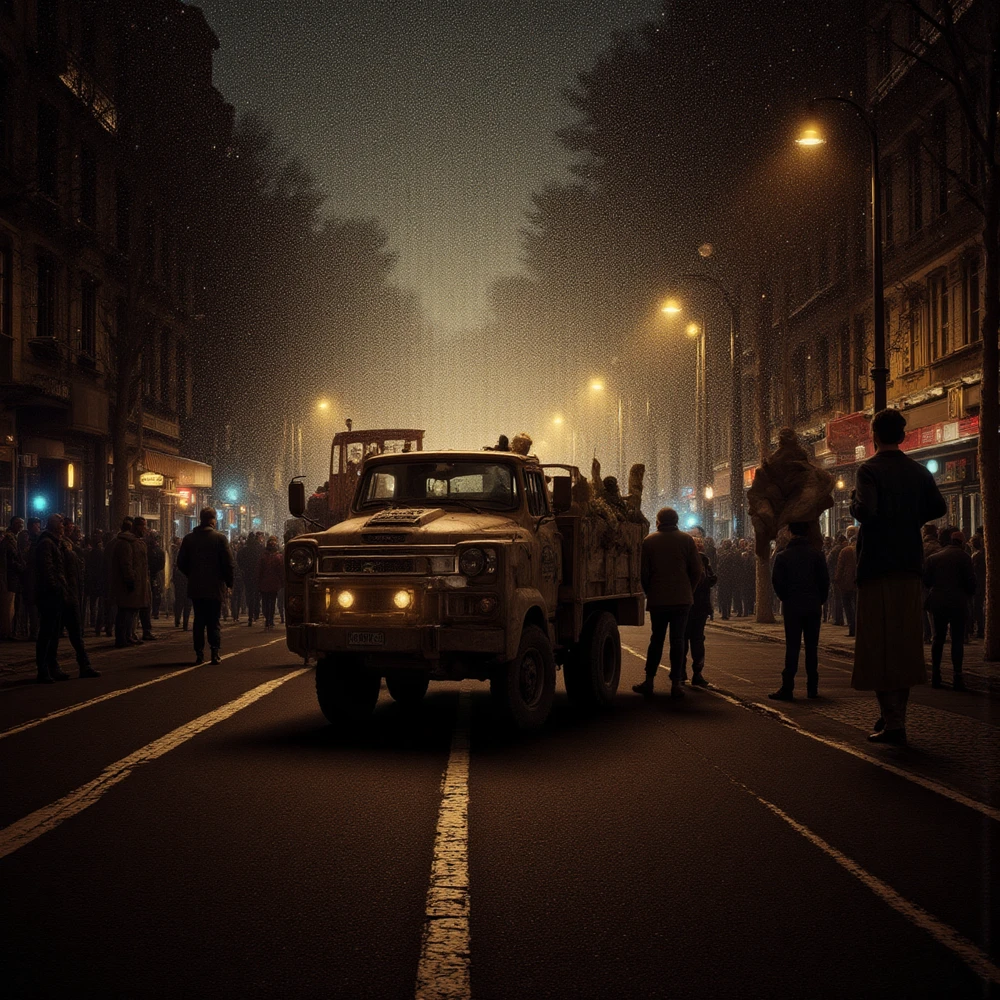
( Not my Model )
https://civitai.com/models/1348637?modelVersionId=1558193
Boost the complexity of your output.
v1 soft: Soft version of the LoRA.
Gives better prompt adherence but has less effect.
After grid testing I found results to differ somewhat from using lower strength on the fully trained version, so I decided to share it. I have posted some comparisons of the versions, which one works better depends on the case. The cover sample is a good example, I had to adapt to prompt to get near the full version.
v1:
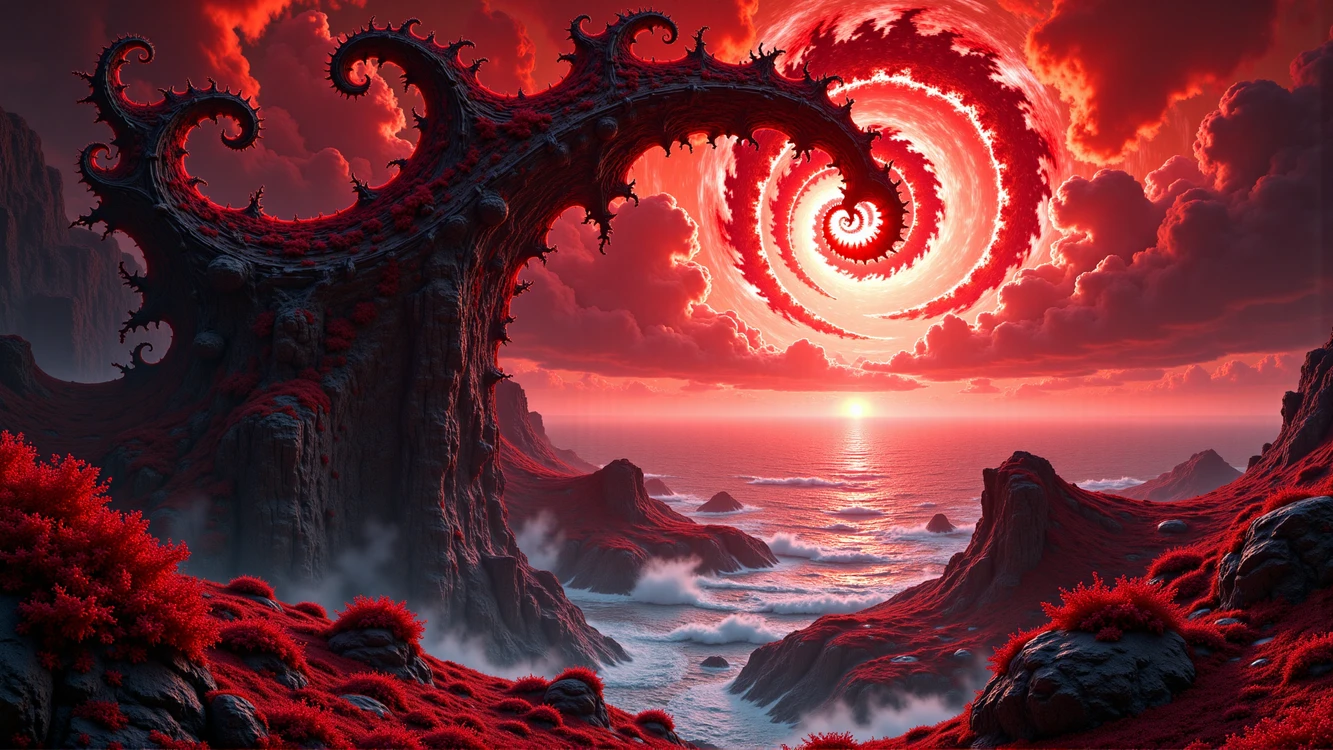
The LoRA aims at increasing default image and pattern complexity by means of fractal patterns and complex fractal structures.
Trained on a carefully chosen dataset, I used very different fractual styles and concepts. Combining both, monochrome and colorful patterns. So output has a huge variability.
-
Always use anm-frac to trigger.
-
The other terms are optional, "spirals" will very likely result in spiral fractals appearing in the image.
Fractal forms can appear in many apperances in the generated images.
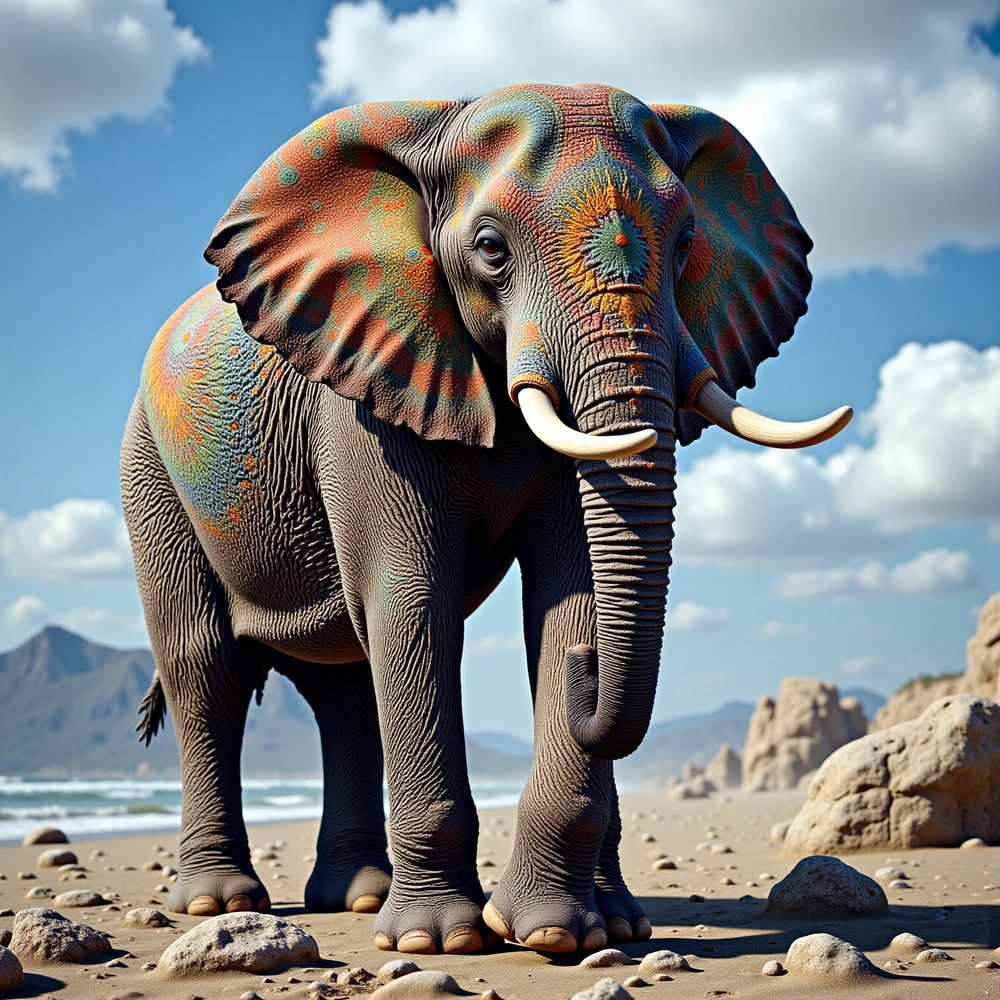
You can convert objects or subjects into fractal forms but also just generate more complex backgrounds and perspective views (with lower strength or complex prompts)
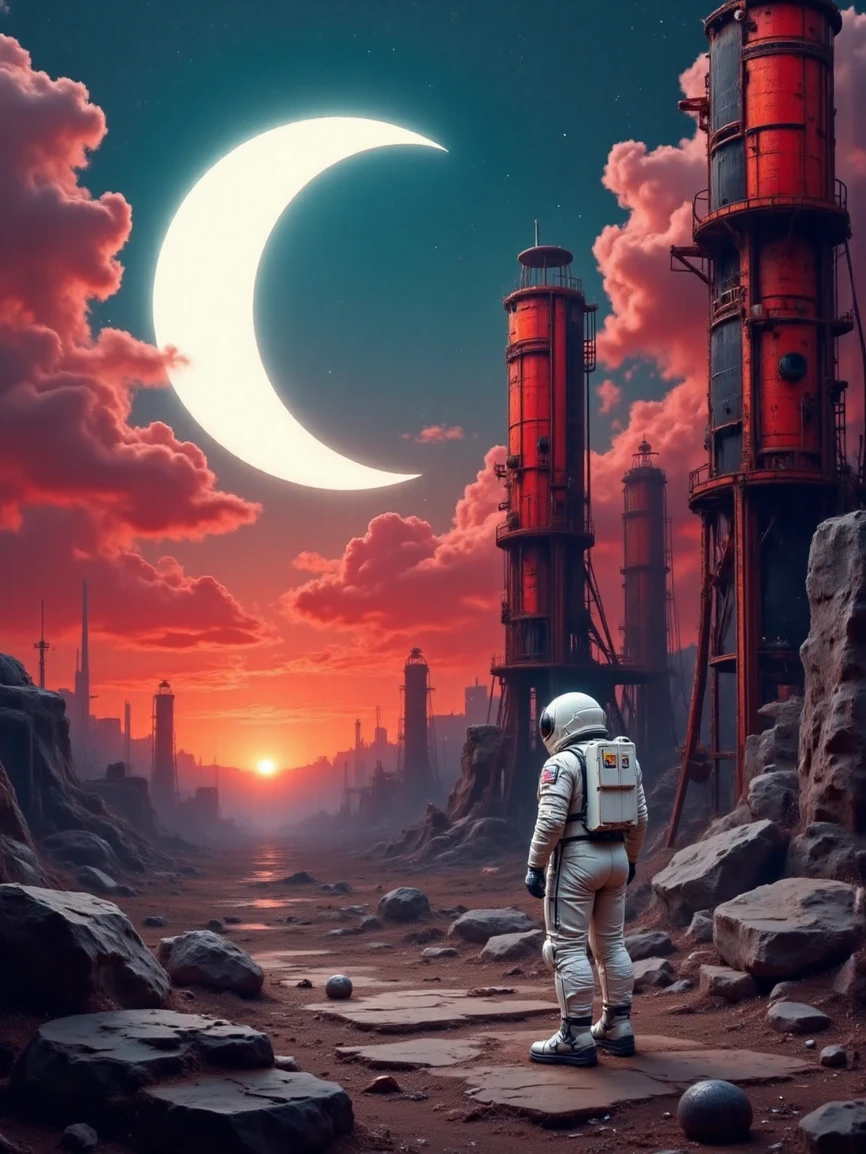
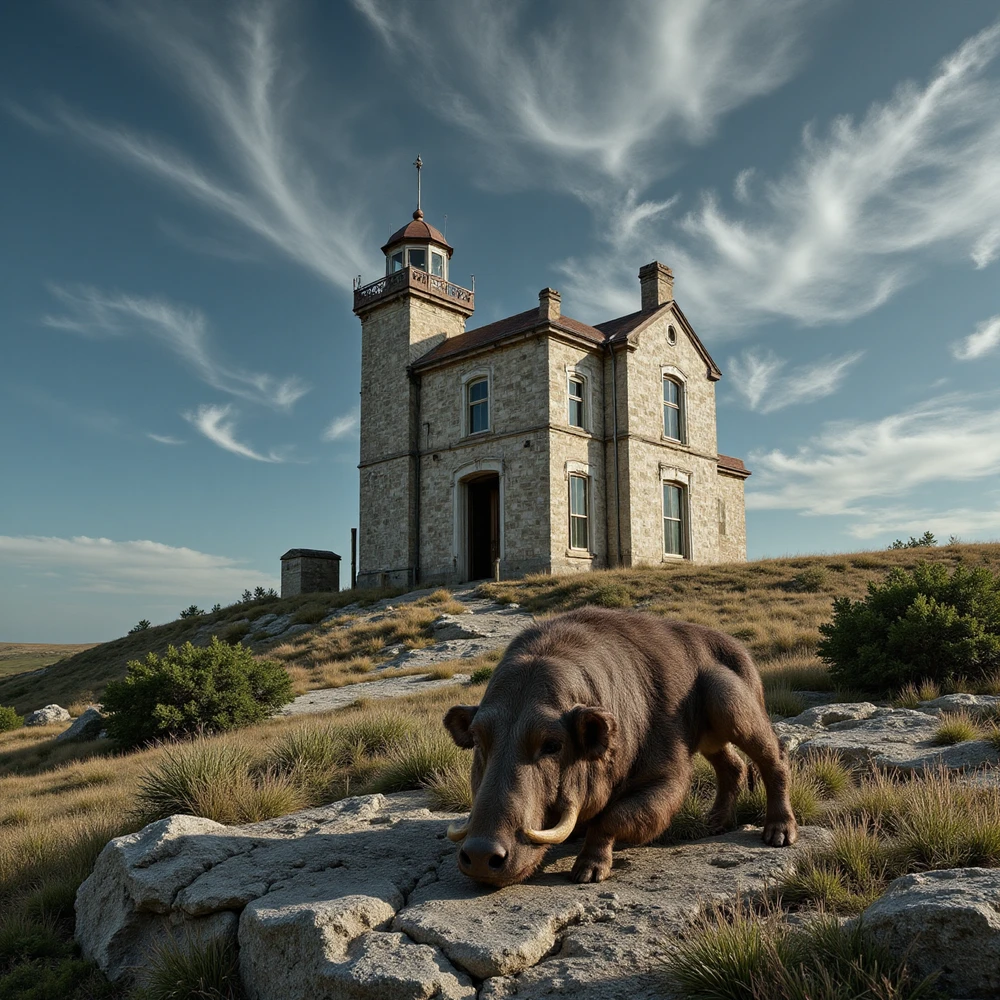
The LoRA tends to result in complex images even with simple prompts. I found flux to be highly creative in using the provided patterns. Play with the strength, in some cases small changes will have significant impact.
I hope you have fun and would LOVE to see some of the stuff you create with it.
Any feedback is very much appreciated.