


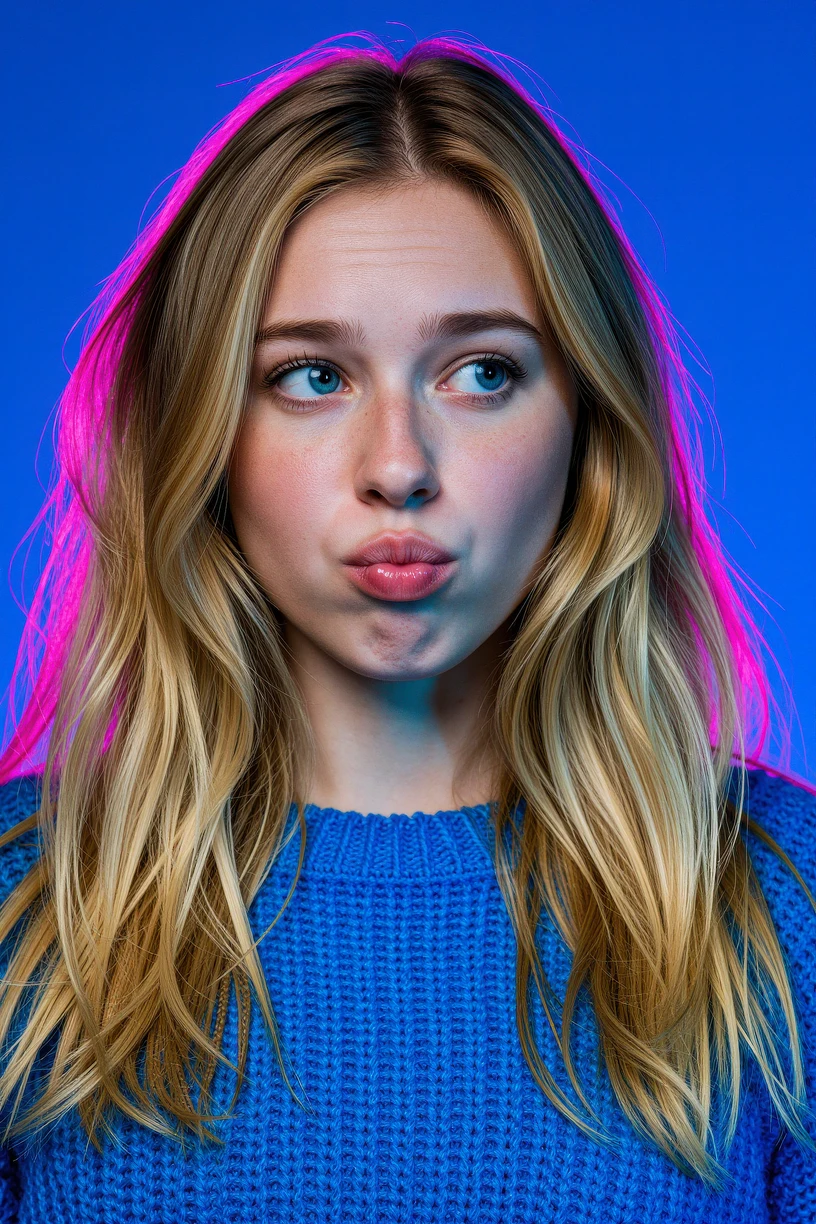
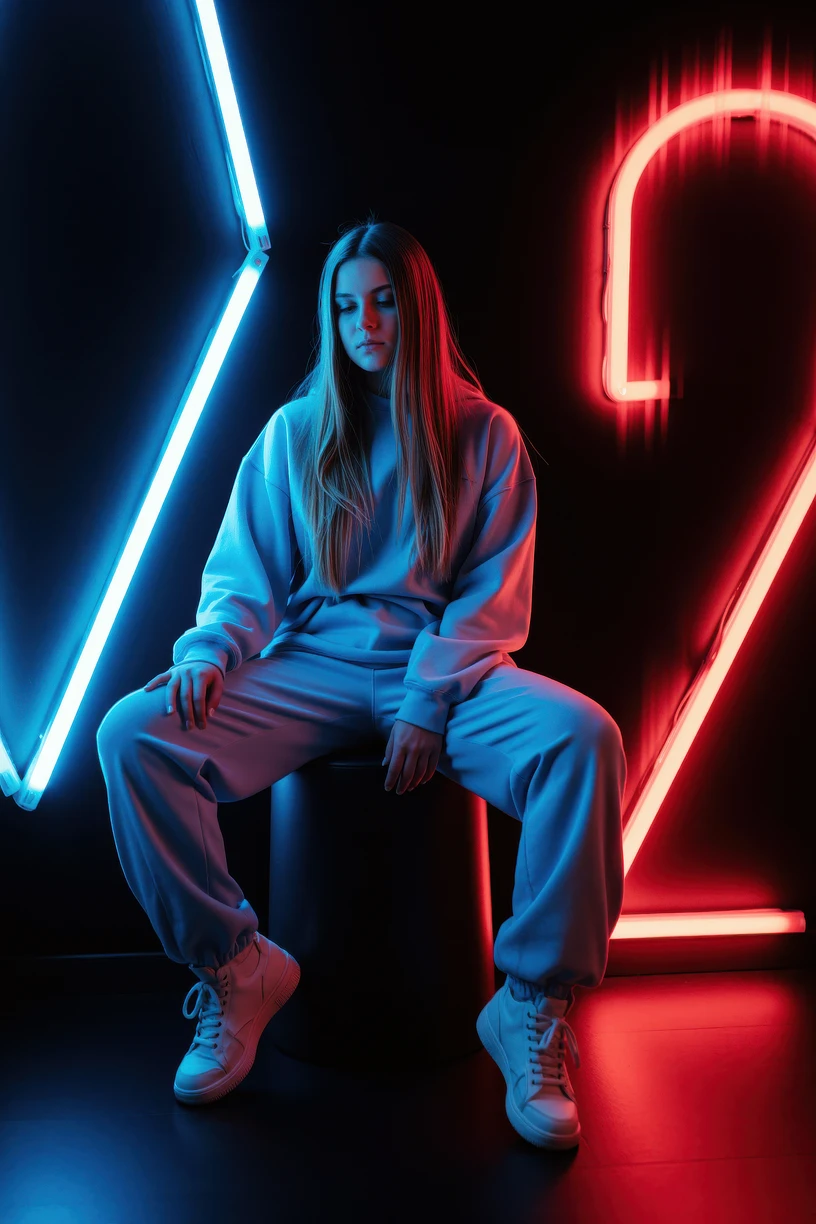
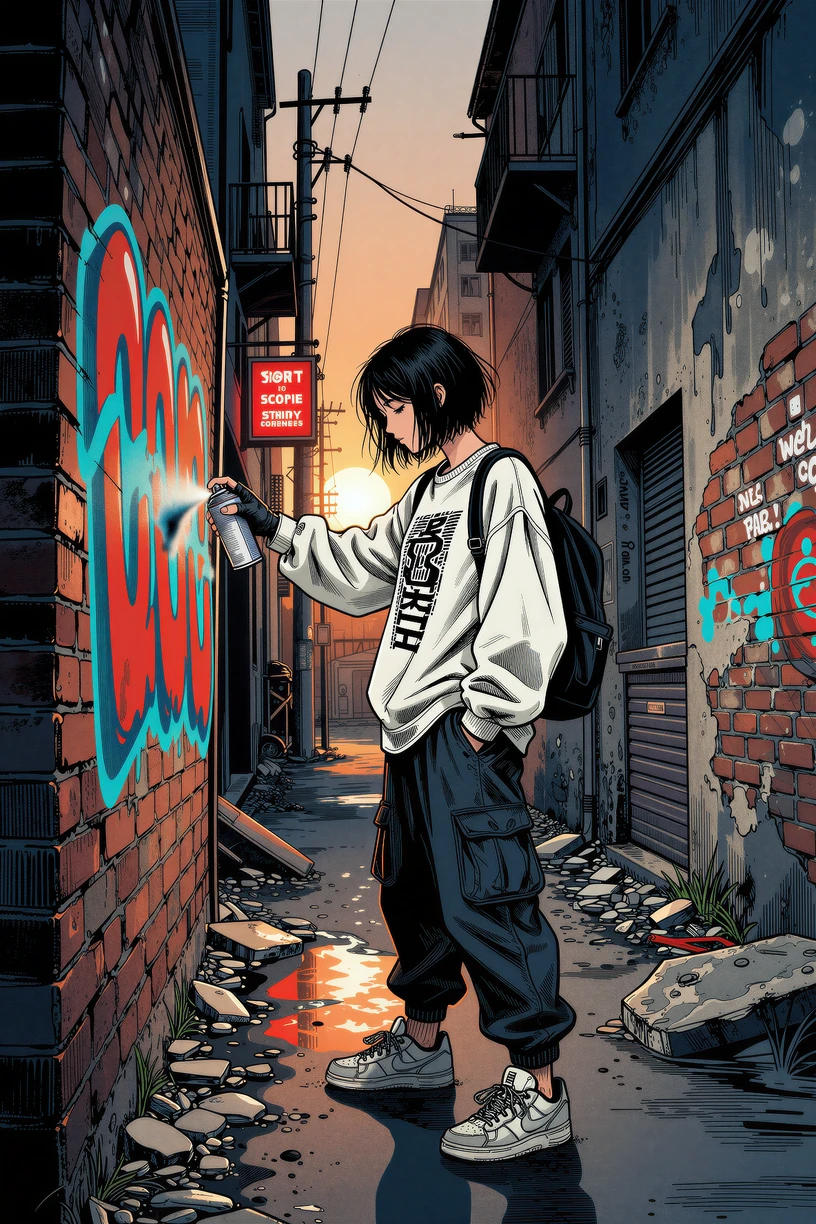
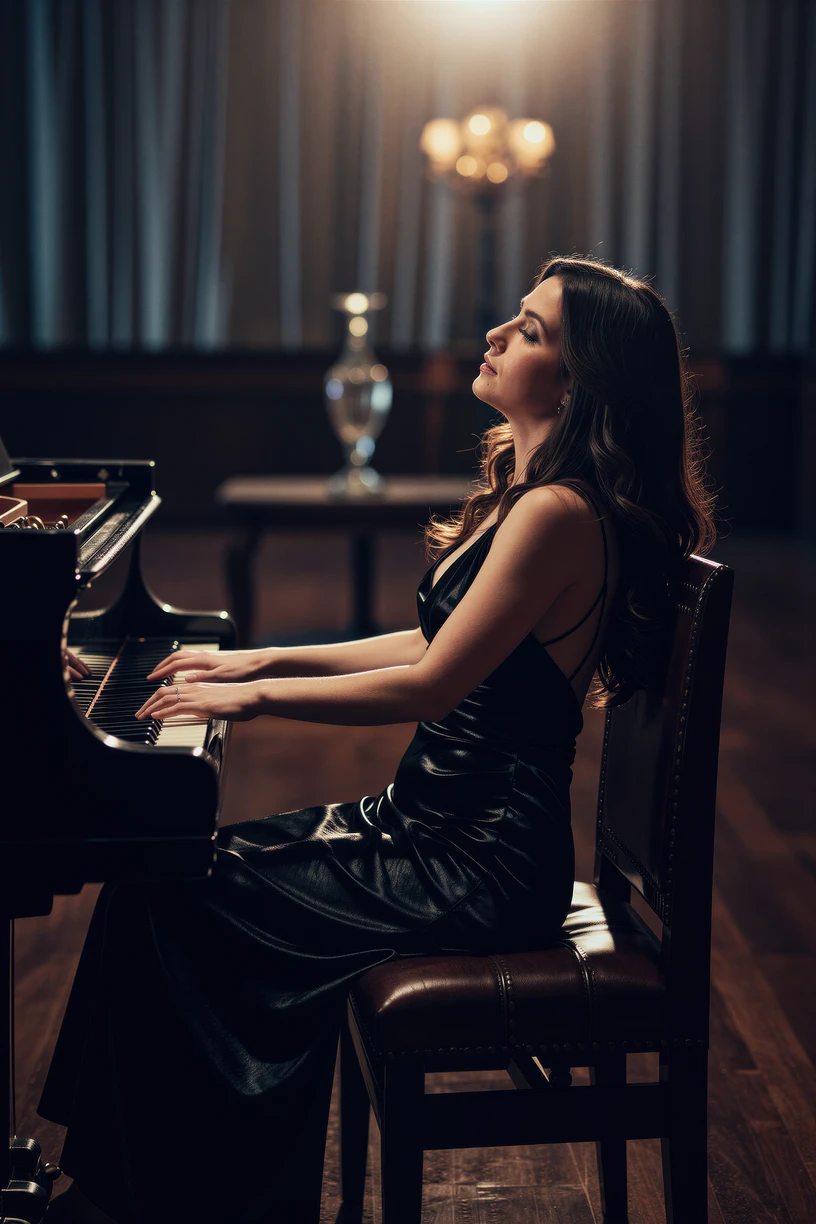
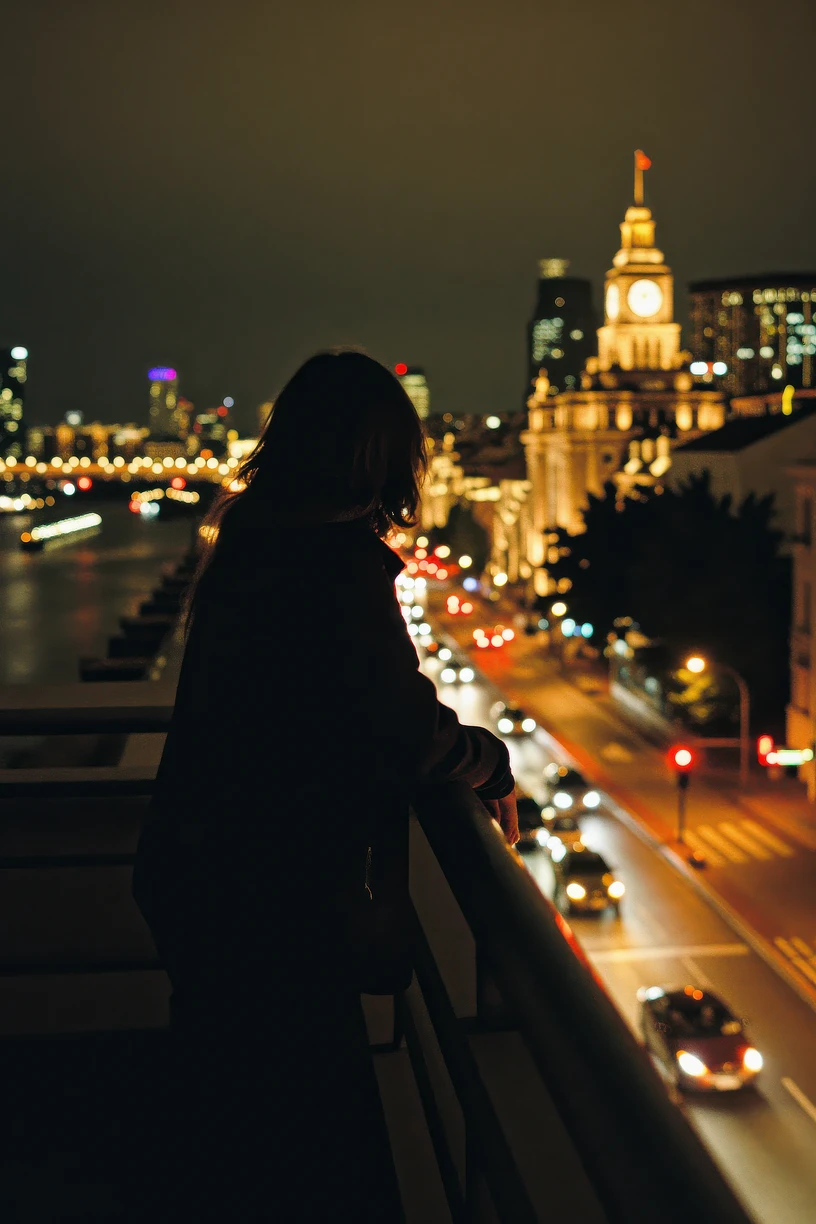
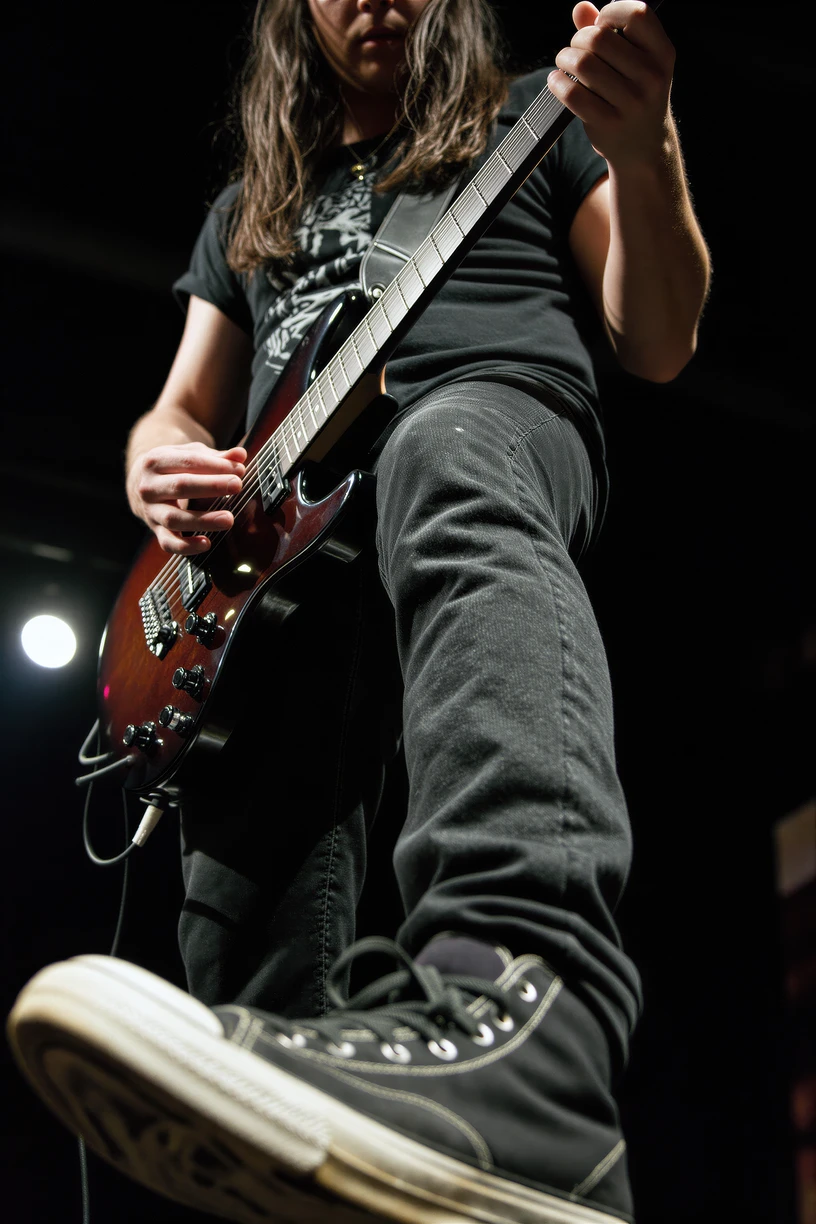
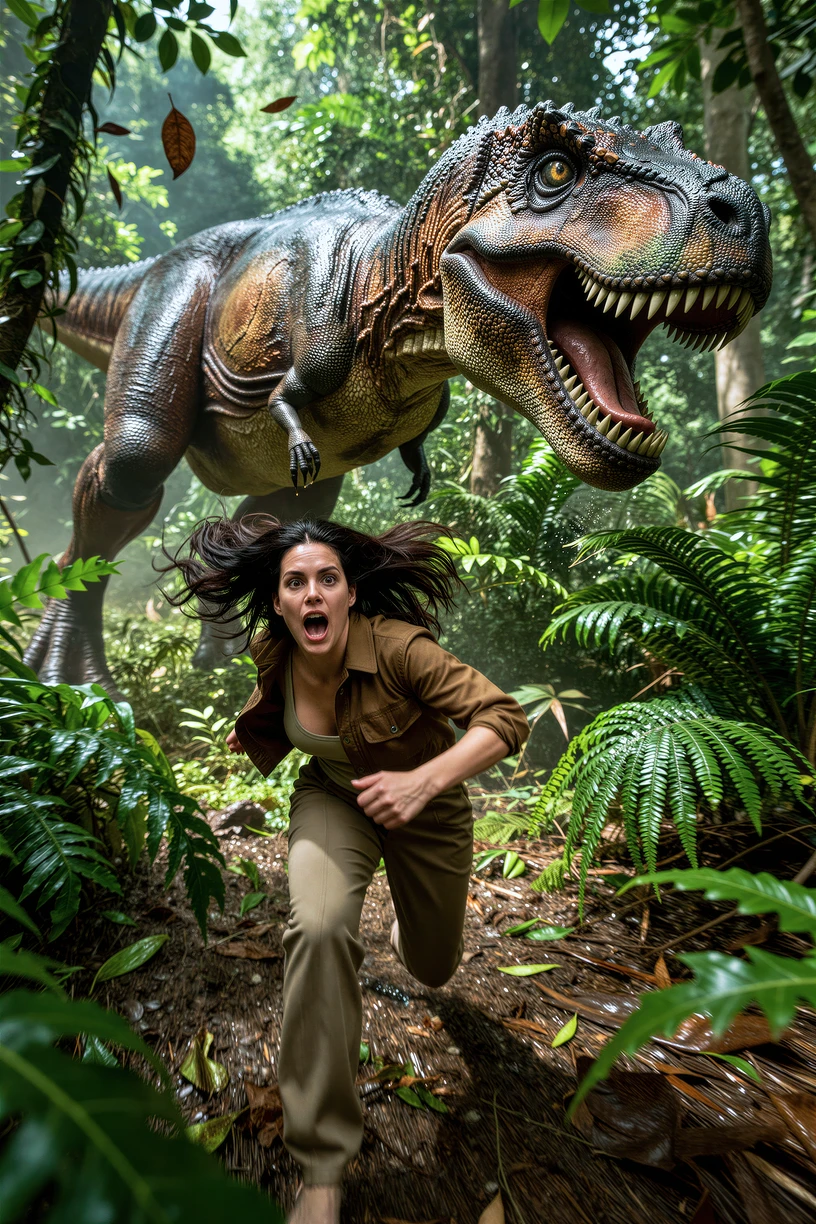
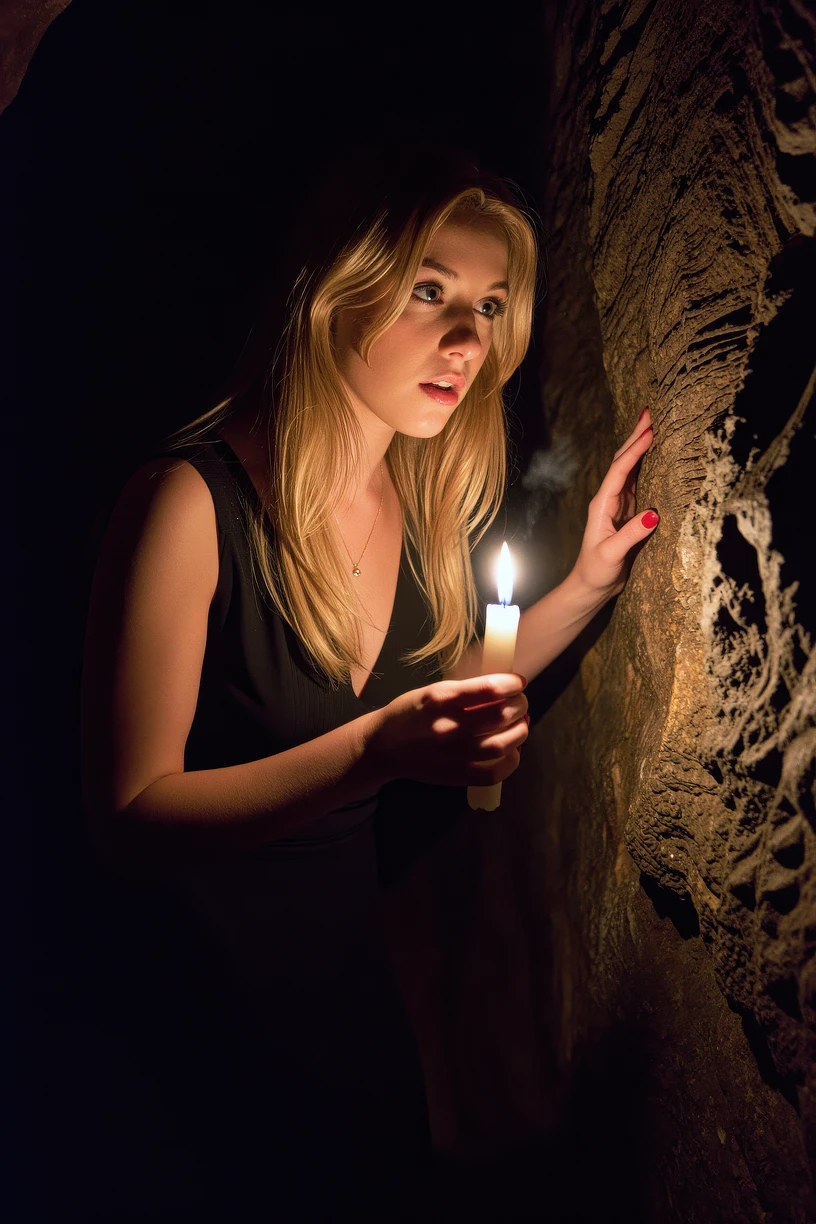
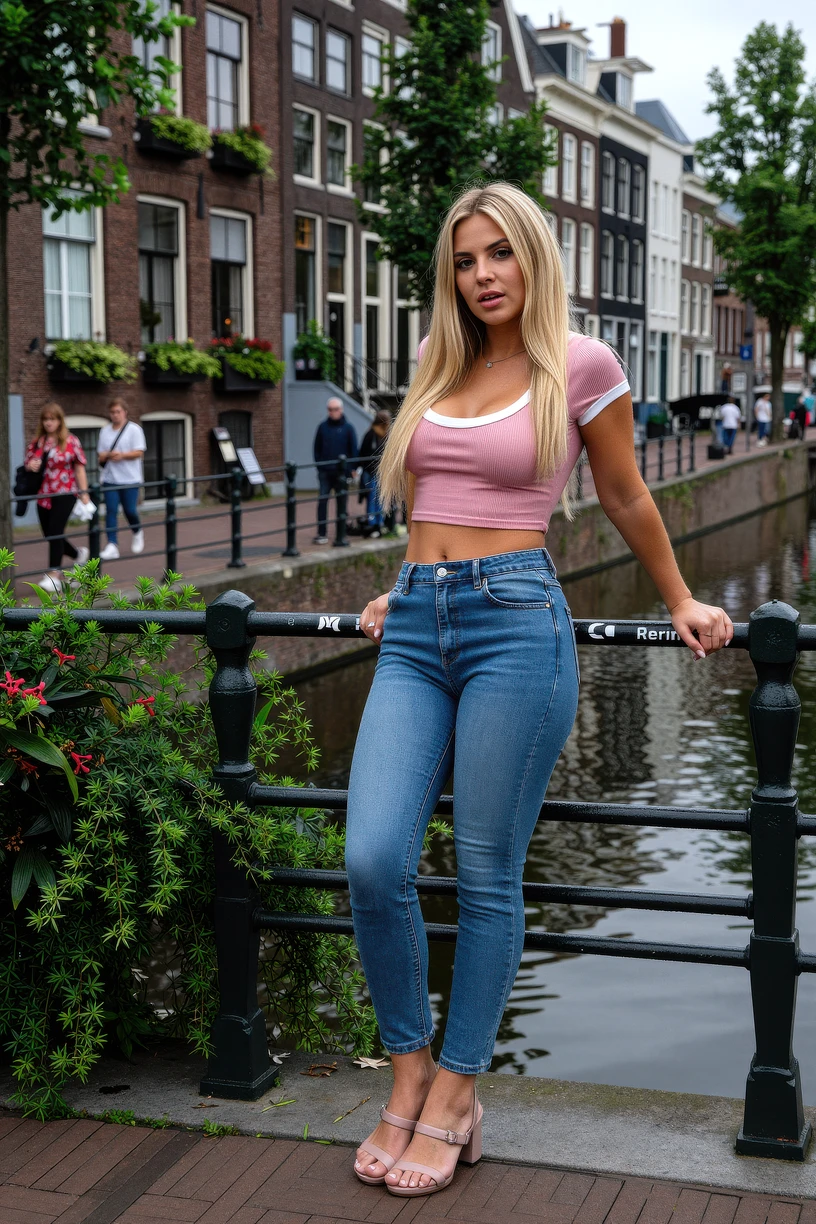
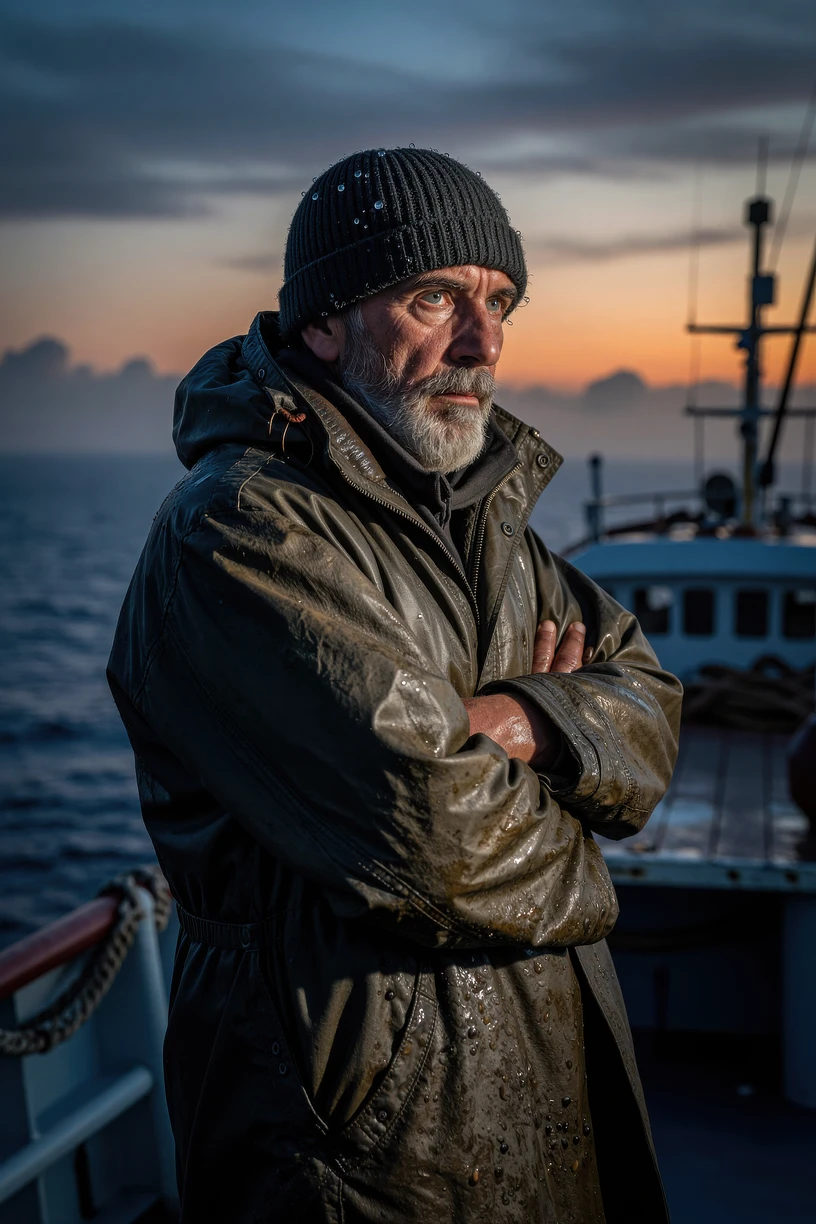
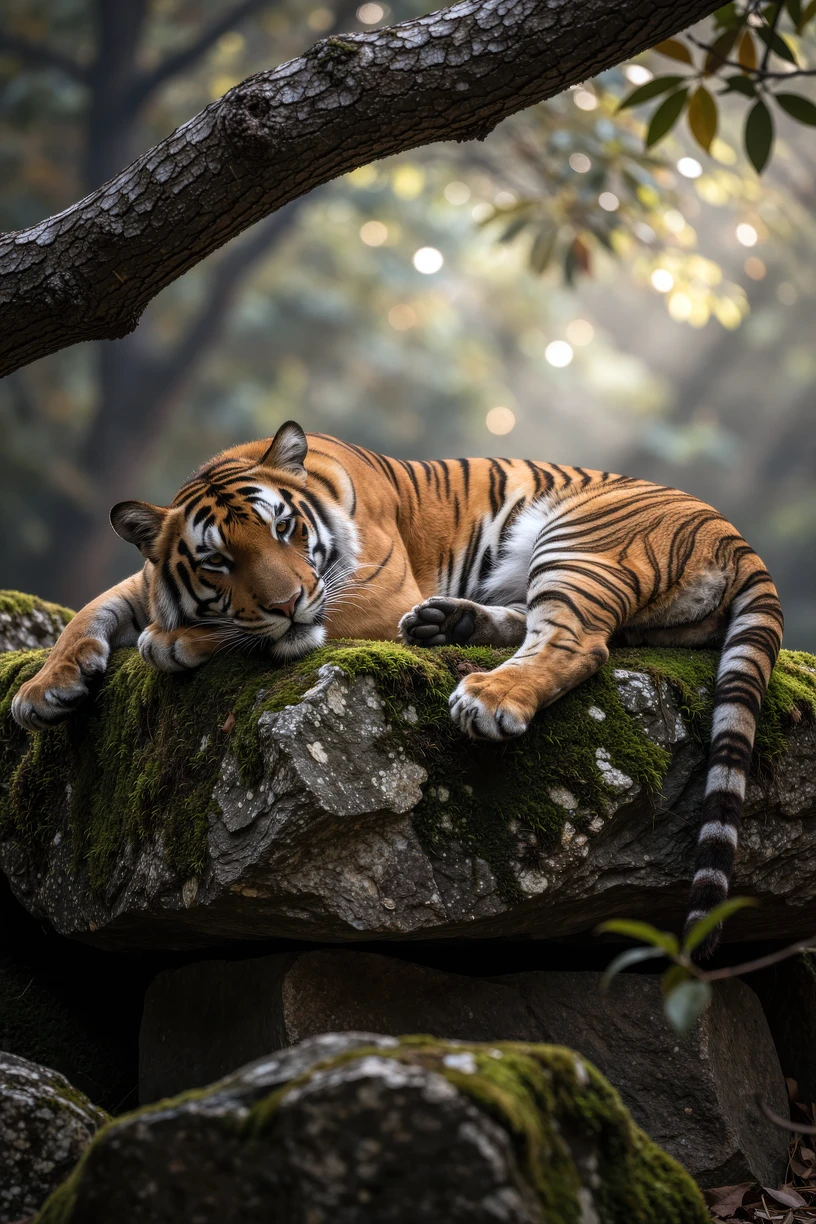
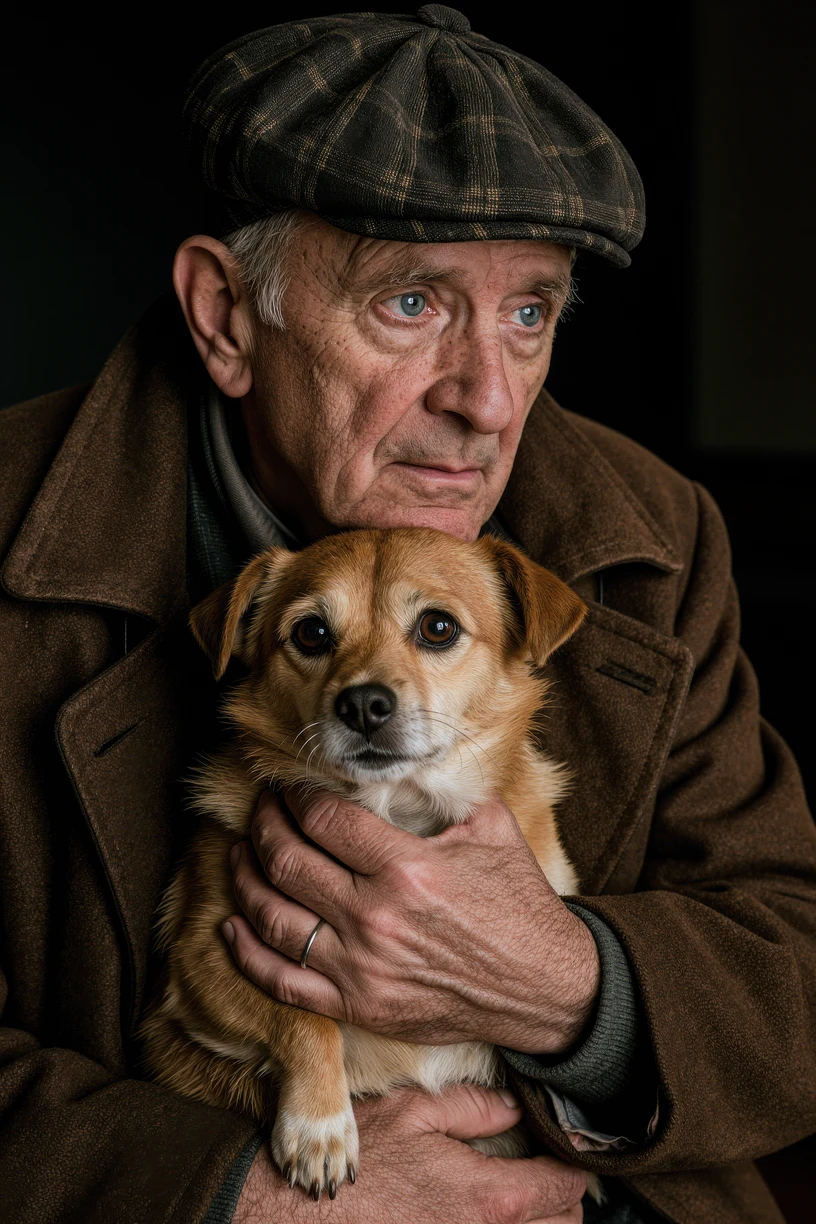
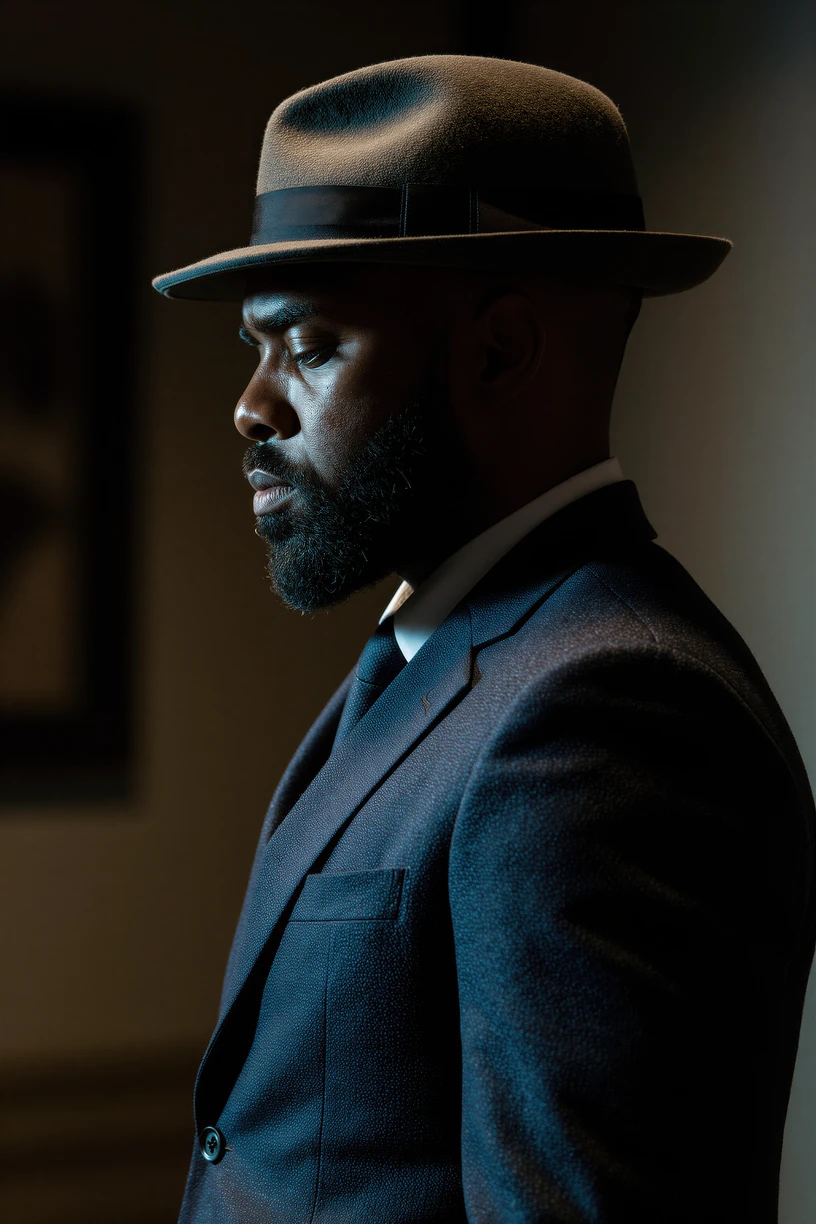
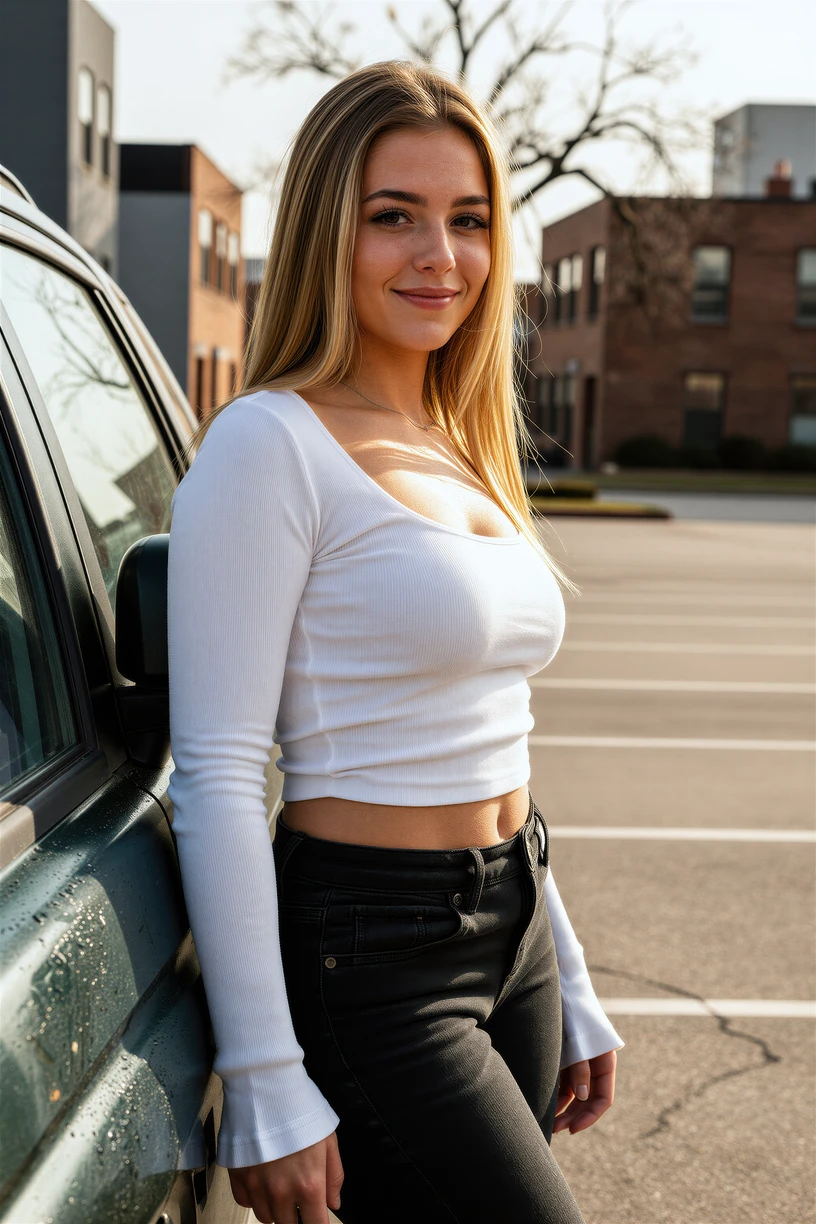
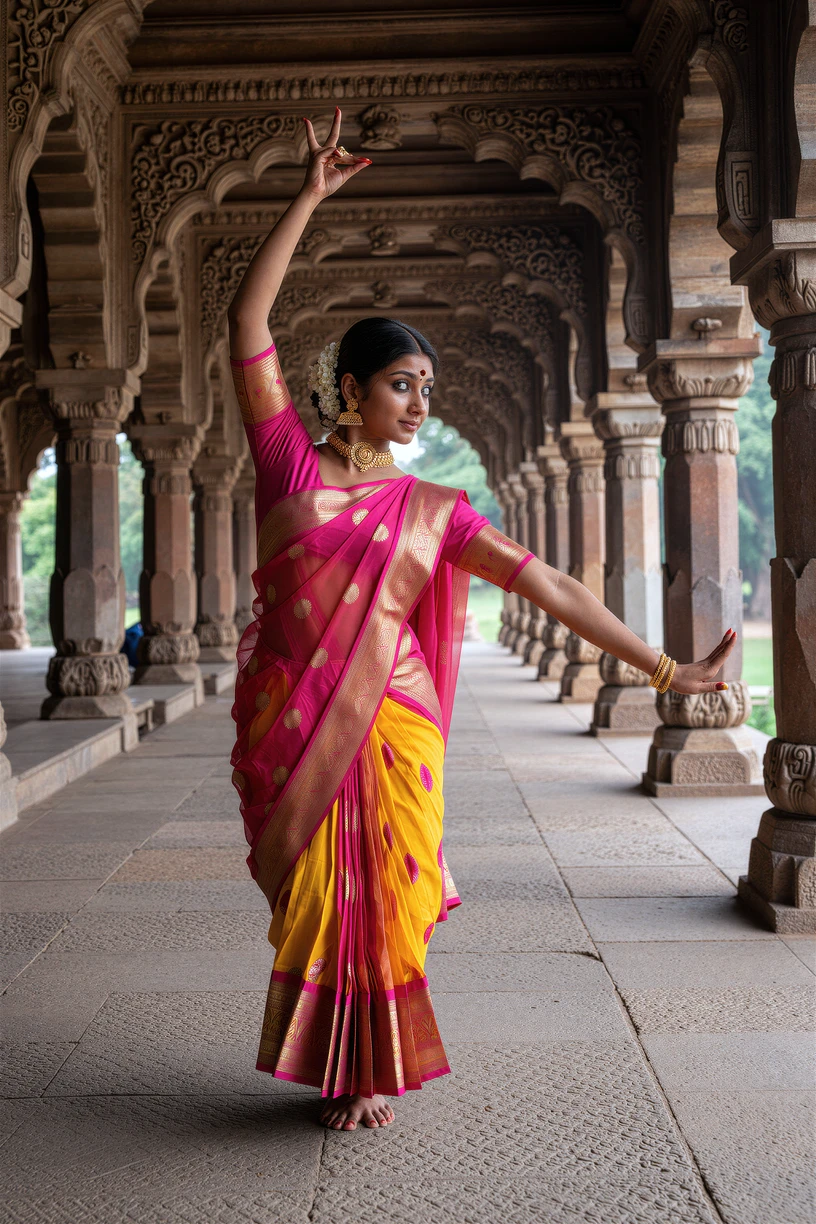
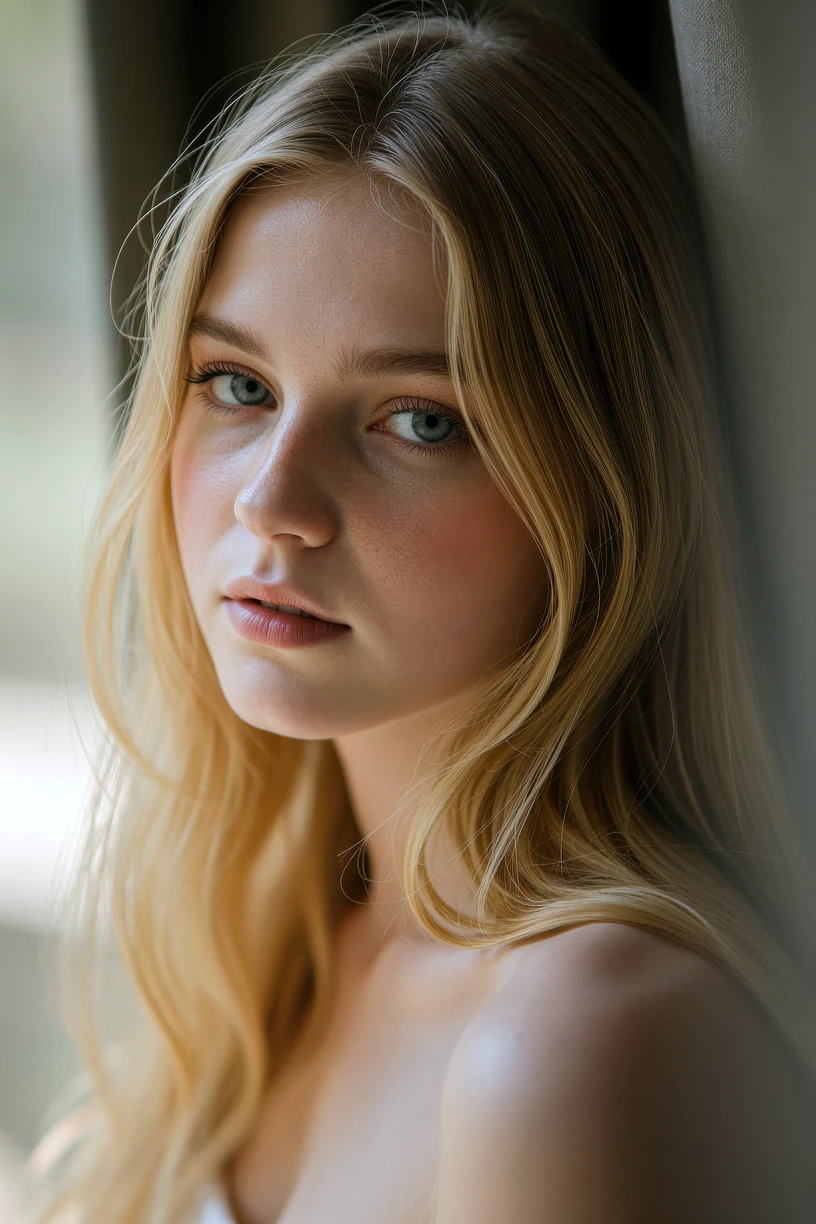
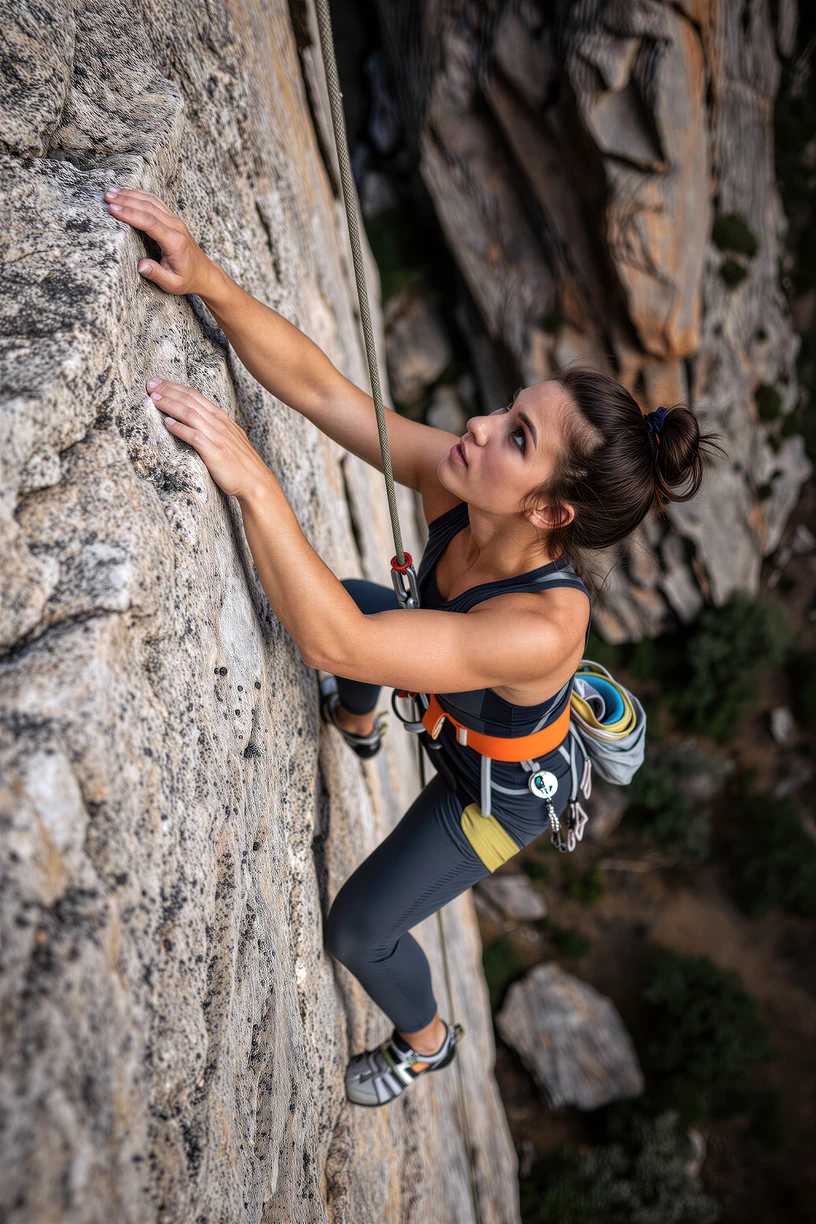
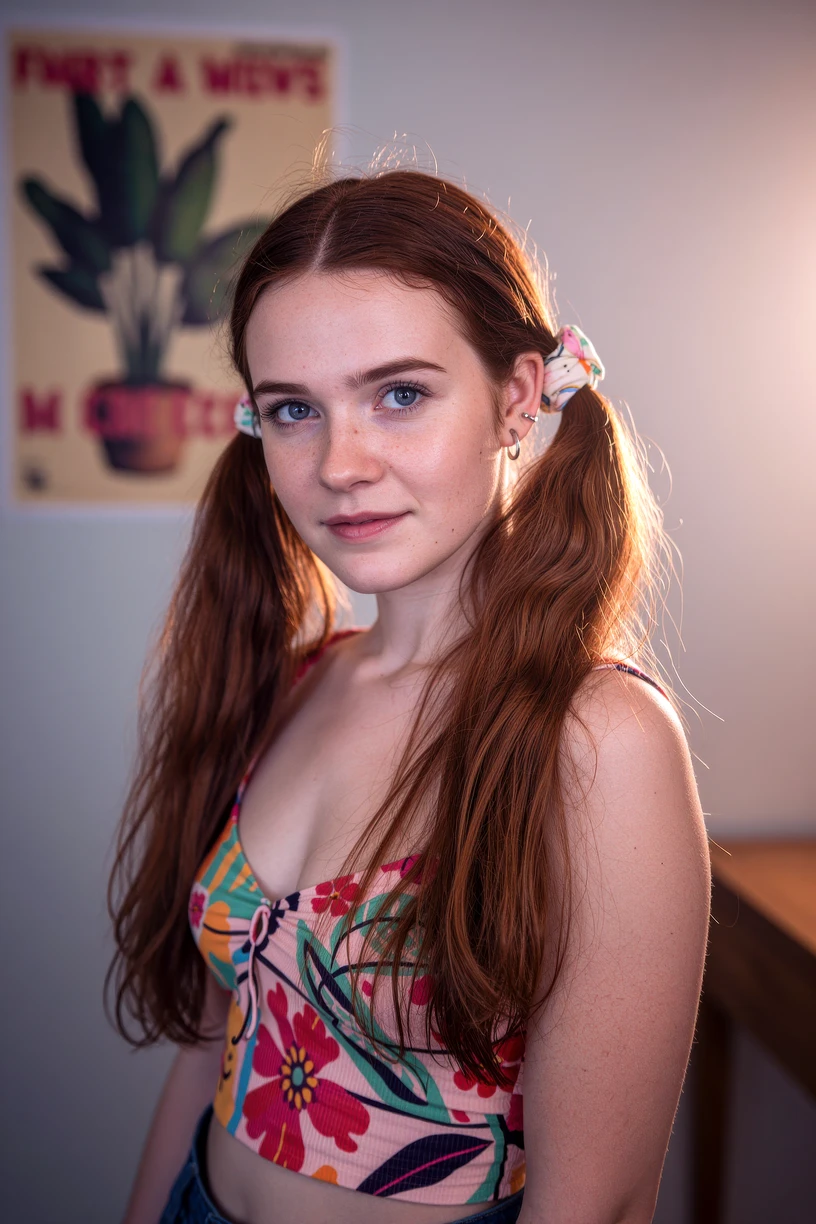
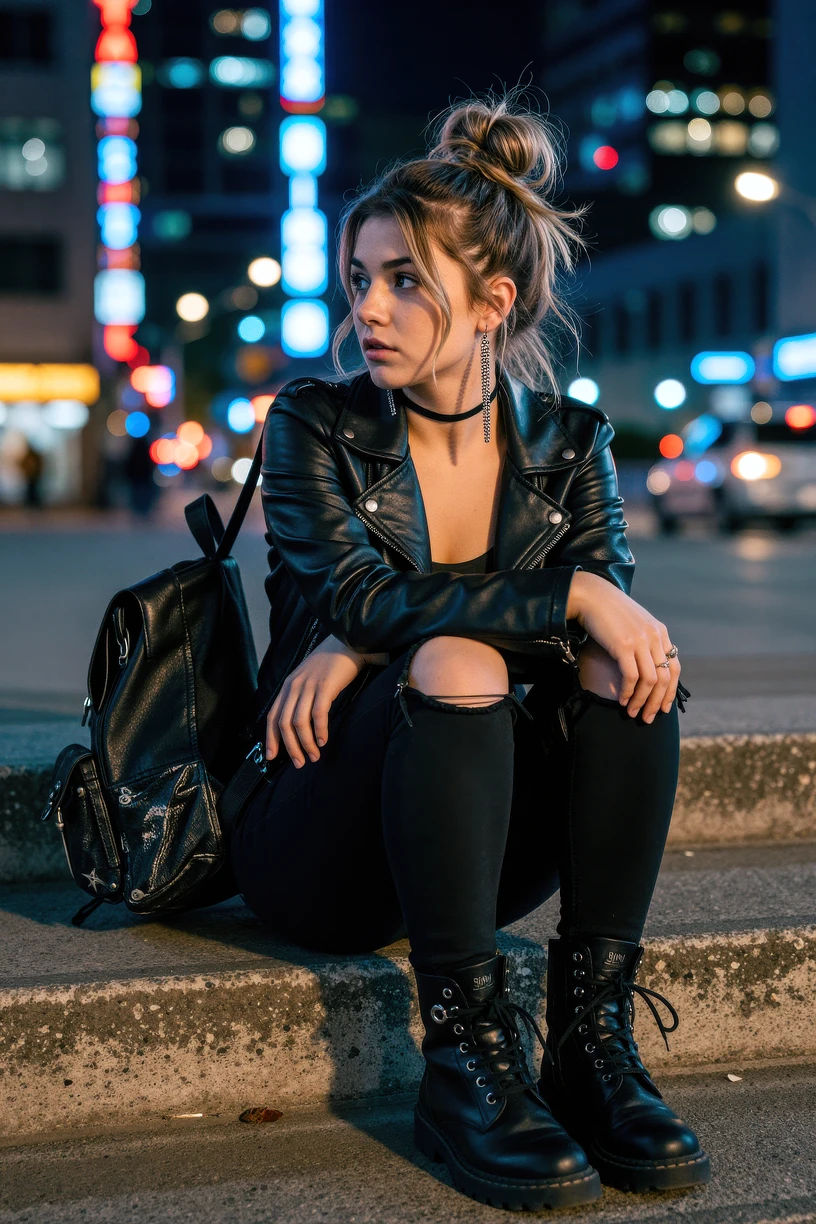
( Not my Model )
https://civitai.com/models/2218365/cyberrealistic-z-image-turbo?modelVersionId=3331554
About this version
V9 is another refinement pass, building further on the improvements introduced in V8.
The overall look remains familiar, but the model has been polished further across anatomy, detail, consistency and prompt interpretation. Faces, skin, hair and smaller structural details should feel a little more natural, while complex poses and body interactions remain more stable.
NSFW capabilities have also received quite a bit of attention. Anatomy, positioning and overall coherence have been improved in situations where the model previously had a tendency to get... creatively confused.
So, for the more adventurous among you, V9 should be noticeably more capable and reliable.
CyberRealistic Z-Image Turbo is a realism-focused finetune of Z-Image Turbo by Tongyi-MAI.
The idea behind it is deliberately simple: keep what makes Z-Image Turbo good - speed, strong prompt understanding, good composition and extremely efficient few-step generation - while moving the default visual language further toward believable photography.
CyberRealistic doesn't try to turn Z-Image Turbo into a completely different model. The original already has a very capable photographic foundation. The finetune mainly changes what the model considers a "normal" photograph: more natural skin, less synthetic rendering, more believable faces, stronger material texture, more grounded lighting and better anatomical consistency.
Z-Image Turbo already knows how to make a good image. CyberRealistic mainly changes where it starts.
What's different from base Z-Image Turbo
-
Stronger photographic look out of the box.
-
More natural skin texture with less waxy or overly polished rendering.
-
Improved faces, eyes, hair and small facial details.
-
Better anatomical consistency, especially hands, feet and complex poses.
-
Fewer duplicated limbs and extra hands in more difficult compositions.
-
More believable fabric, hair, skin, metal, glass and other material textures.
-
Stronger response to available light, practical lighting and real-world camera language.
-
Less dependence on stacks of words like
masterpiece,8k,ultra detailedandphotorealistic. -
Keeps the speed and general prompt behavior that make Z-Image Turbo useful.
The focus is photography, but that doesn't mean the model is locked to photography. Illustration, cinematic stylization, fantasy, advertising, vintage photography and other looks are still available when you describe them.
Prompting
If you're coming from SDXL, Pony or Illustrious, the biggest change is simple:
Describe the image instead of building a tag stack.
Z-Image Turbo uses a Qwen3-based text encoder and responds very well to normal descriptive language. Short comma-separated clauses are completely fine, but every part of the prompt should ideally tell the model something visual.
Instead of:
woman, realistic, masterpiece, best quality, detailed skin, cinematic, 8k
try:
A woman standing beside an open apartment window on a warm summer evening, photographed with soft natural light falling across her face, loose dark hair, natural skin texture and an out-of-focus city street behind her.
The second prompt gives the model an actual scene to construct.
Put the subject first
Start with what the image is about.
A middle-aged mechanic leaning over the open engine bay of an old red pickup truck...
works better than hiding the subject halfway through a long list of style instructions.
You don't need to obsess over exact prompt order, but the main subject and composition should be clear early.
Be specific
Specific visual language usually does more than generic quality words.
Instead of:
beautiful lighting
try:
soft late-afternoon sunlight entering through a dusty workshop window
Instead of:
detailed clothing
try:
a faded blue denim jacket with worn seams and slightly frayed cuffs
Instead of:
cinematic portrait
try:
photographed from chest height with a 50mm lens, shallow depth of field and soft window light from camera left
Describe the light
Lighting is one of the easiest ways to change the realism and mood of the image.
Useful examples:
soft overcast daylight
direct midday sunlight creating hard shadows
a single warm tungsten lamp above the table
cold fluorescent supermarket lighting
late-afternoon sunlight entering through venetian blinds
direct on-camera flash in a dark room
You can still use words like
cinematic
, but describing where the light actually comes from gives the model much more information.
Quality tags are not magic switches
Words such as:
masterpiece
best quality
8k
ultra detailed
absurdres
score_9
can still influence the wording of the prompt, but Z-Image Turbo doesn't treat them like the traditional SDXL/Pony quality system.
Use that prompt space to describe what you actually want to see.
Camera language works well
For photographic images, camera terminology can be useful when it describes a visible effect:
35mm documentary photograph
85mm portrait lens with shallow depth of field
handheld photograph with slight motion blur
direct flash snapshot
wide-angle environmental portrait
medium-format color photograph
Don't feel forced to specify a camera and lens in every prompt. Sometimes simply saying
casual phone photo
gives you exactly the look you need.
Prompt length
There is no perfect prompt length, but these are useful practical ranges:
-
10–30 words: exploration and seed hunting.
-
30–80 words: good balance between control and freedom.
-
80–150 words: complex scenes, precise lighting or detailed compositions.
Long prompts aren't automatically better. Contradictory prompts are the bigger problem.
If you ask for soft natural window light, hard direct flash, deep cinematic shadows and flat commercial studio lighting at the same time, the model still has to decide which instruction wins.
Text inside images
Z-Image Turbo is unusually capable at rendering text compared with older diffusion models.
If exact text matters, put it in quotation marks:
A small neon sign above the diner entrance reading "OPEN ALL NIGHT"
Keep important text reasonably short. It's good, but it still isn't a replacement for a typography application.
Recommended settings
Z-Image Turbo is a distilled few-step model.
Don't treat it like an SDXL checkpoint that needs 30–50 steps.
A good starting point is:
-
Steps: 8–9
-
CFG / Guidance: effectively OFF
-
Resolution: start around 1 megapixel and increase if your hardware allows it
-
Negative prompt: normally unnecessary
In the original Diffusers implementation, guidance is
0.0
.
In standard ComfyUI workflows, the equivalent no-CFG setup is generally CFG 1.0 .
More steps are not automatically better with Turbo. If something isn't working, changing the prompt, seed, sampler or composition usually makes more sense than simply increasing the step count.
A few last things
Short prompts are completely valid.
One of the advantages of Turbo is that you can generate several directions quickly, choose the seed or composition you like, and then add more camera, lighting and material detail.
That often works better than trying to write the perfect 150-word prompt before generating anything.
Also keep in mind that Z-Image Turbo is distilled for speed. Part of that tradeoff is lower variation than a large non-distilled foundation model. If you keep seeing the same interpretation, change the wording more substantially rather than adding another five quality tags.
CyberRealistic Z-Image Turbo is released for people who enjoy generating, experimenting, benchmarking and finding the edges of a model.
Feedback is especially useful for difficult poses, multiple people, hands and feet, unusual lighting, text rendering and prompts where the model behaves differently from the original Z-Image Turbo.
If you find something interesting — good or bad — let me know.