




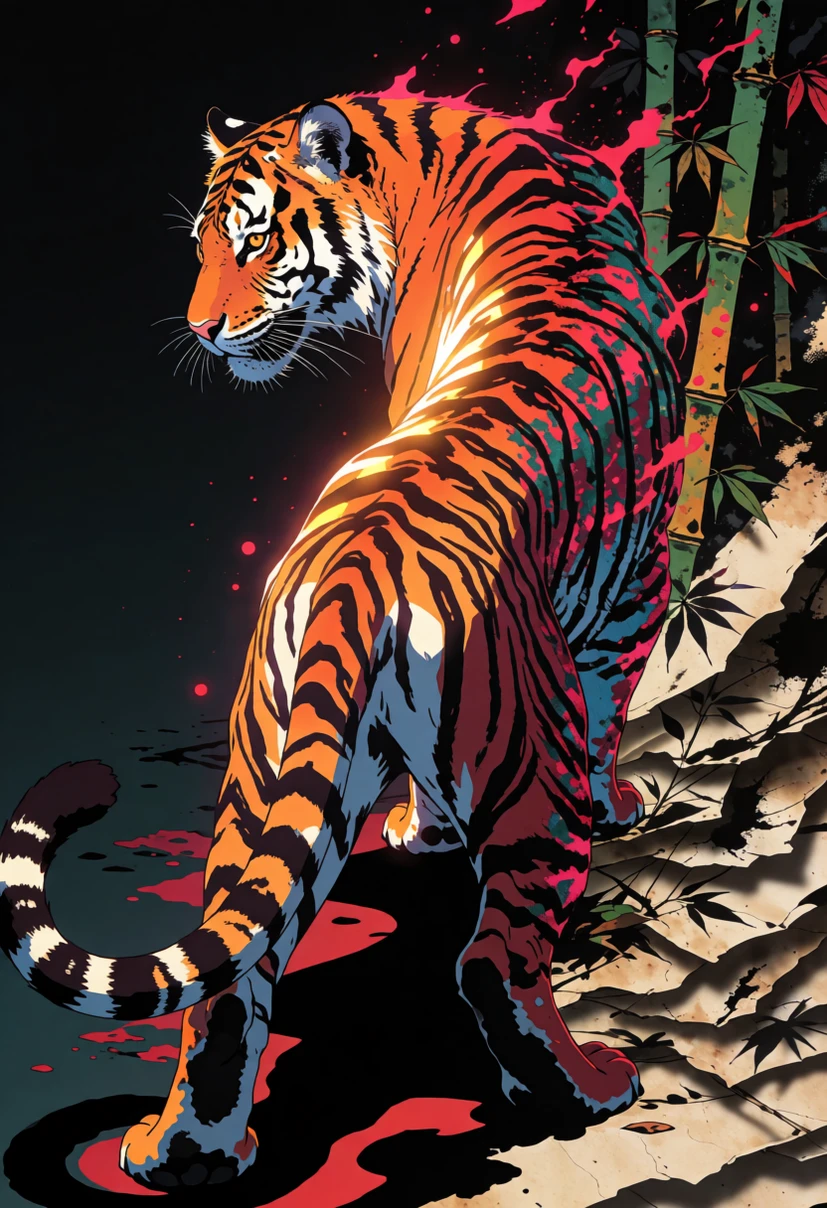

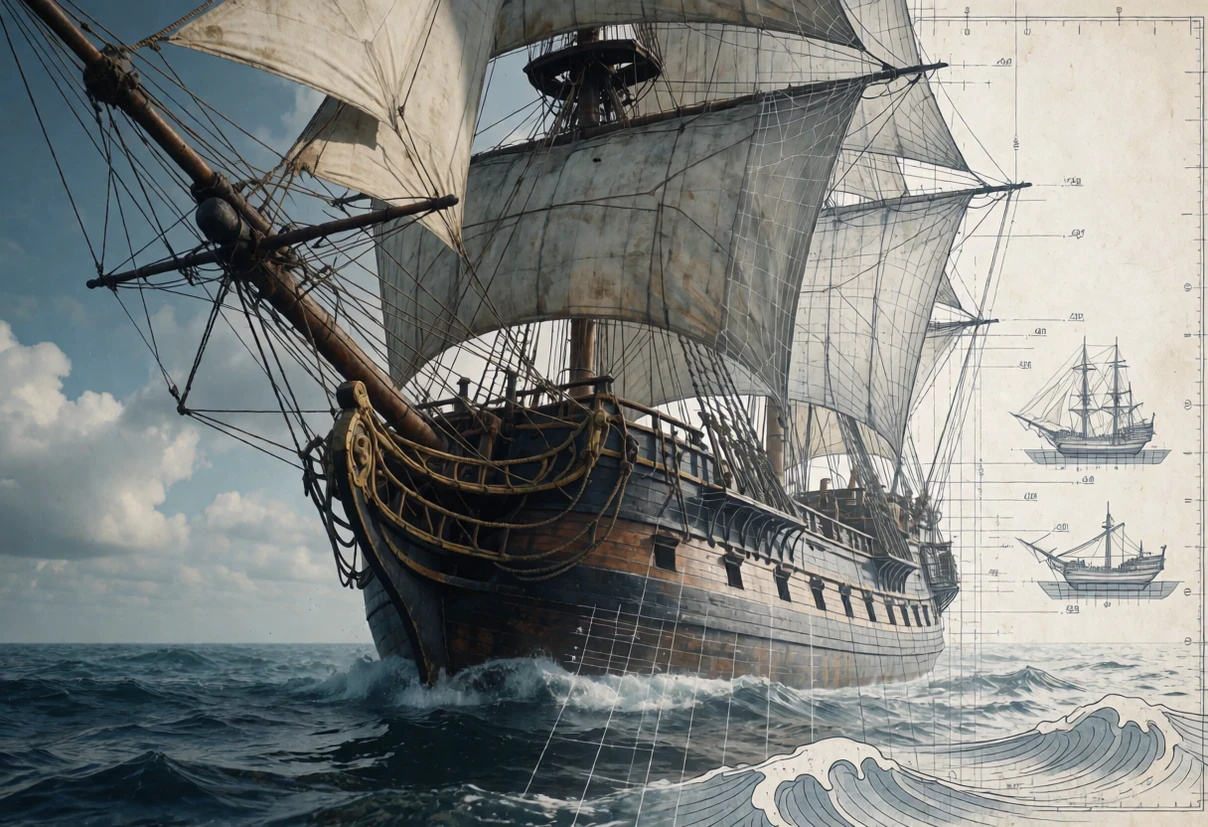

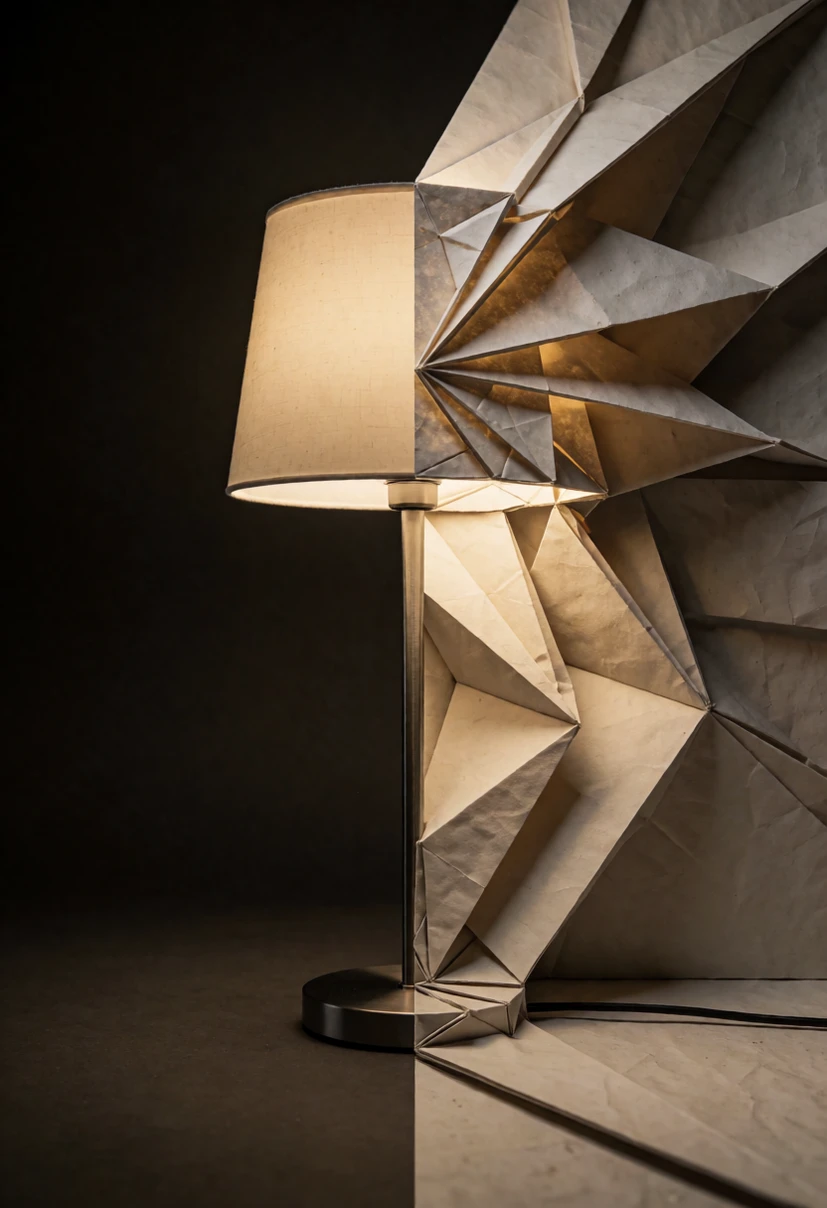
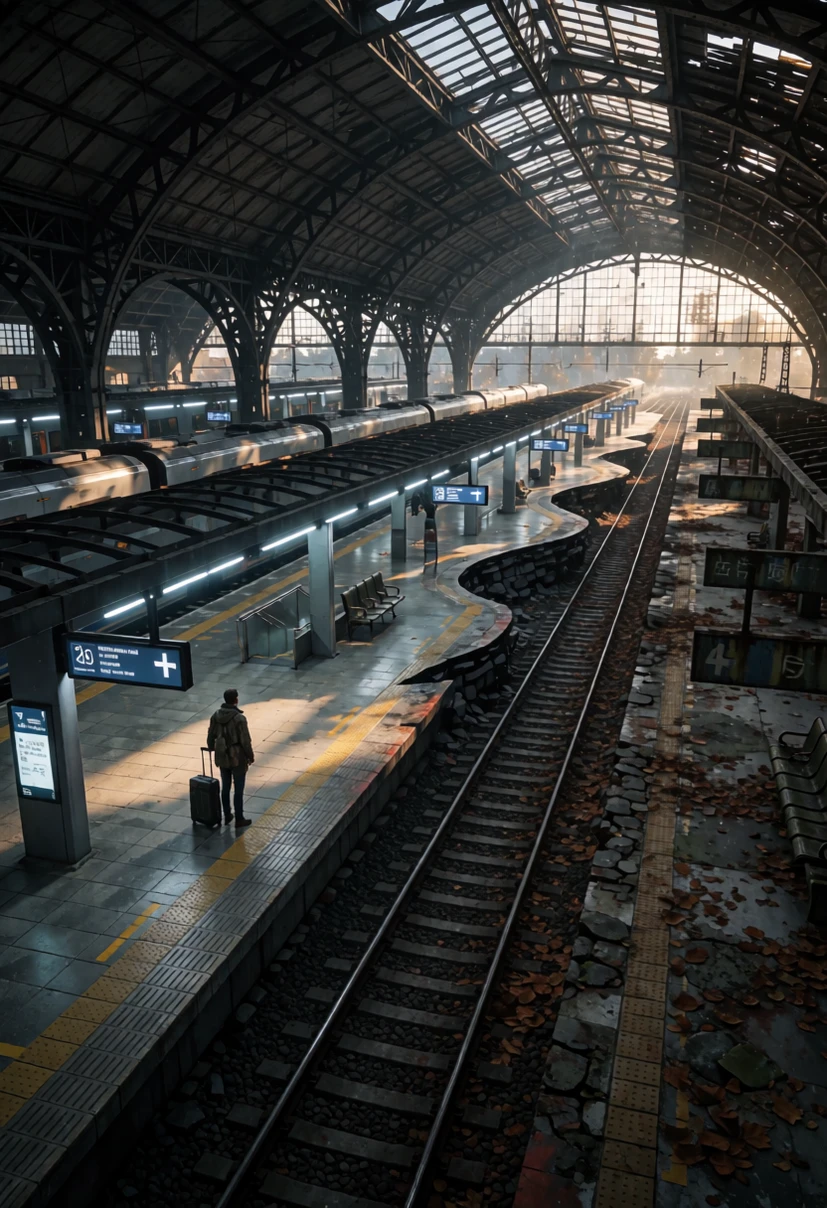





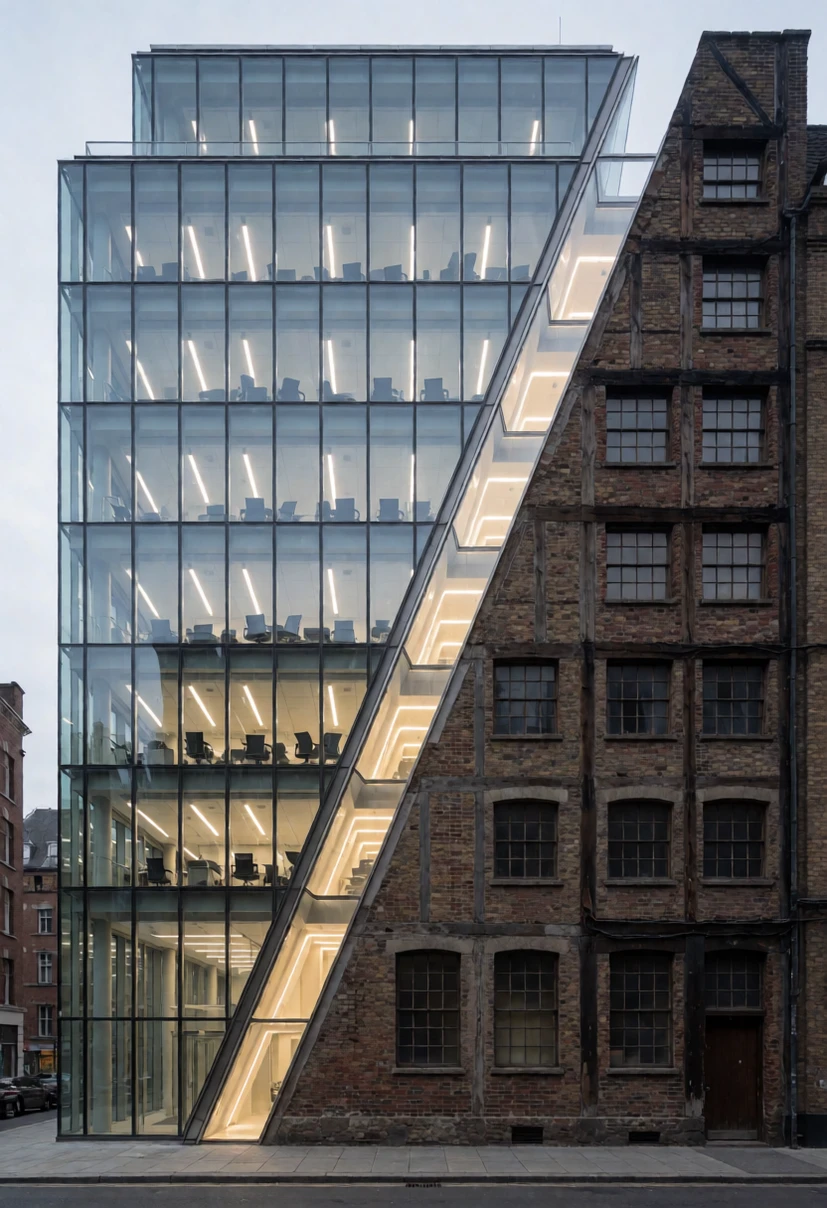





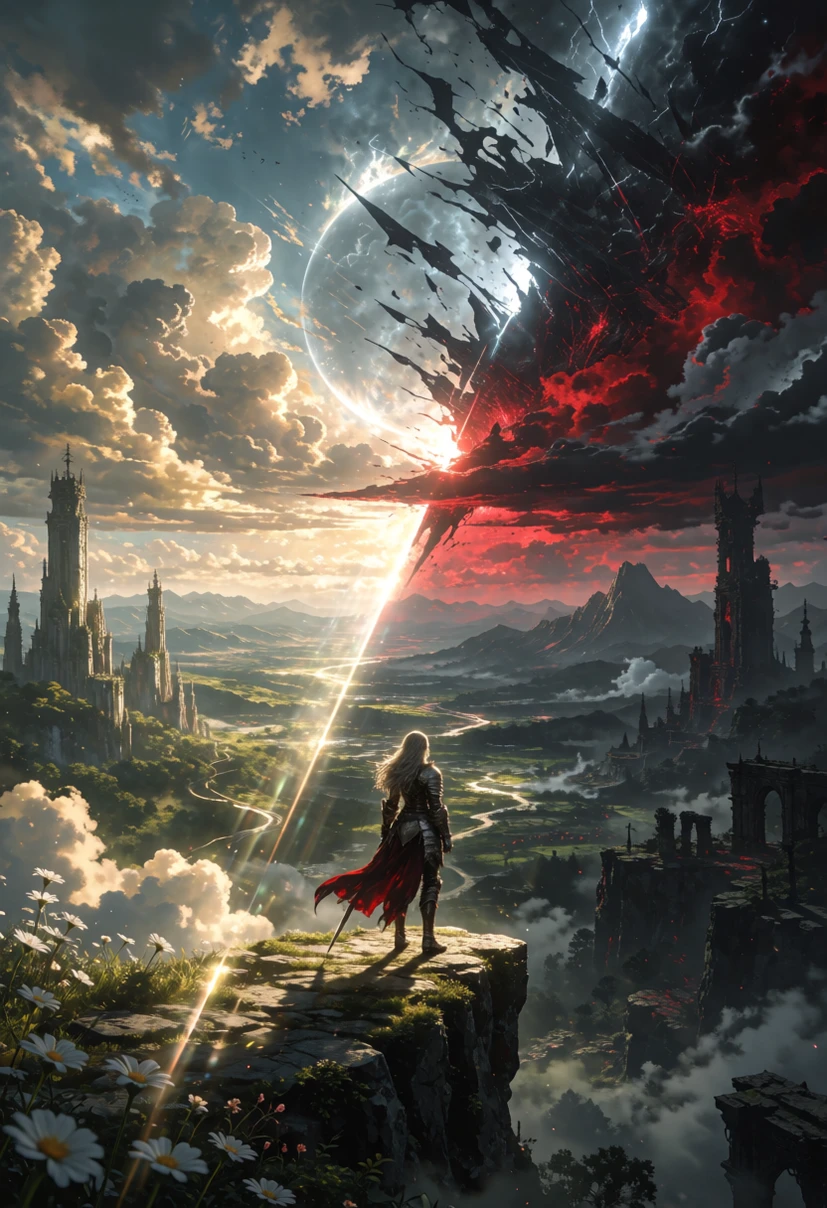
( Not my Model )
https://civitai.red/models/2830367/ta86realityfracture?modelVersionId=3193719
ta86_realityfracture
Split Realities, Material Transformations, and Fractured Worlds. Krea2 can do that (sometimes) already , but I wanted to change/enhance it in my way.
Recommended strength:
Krea2: 0.7 to 1.0
Short Description
ta86_realityfracture is a concept LoRA built around the visual division of a subject or scene into two distinct states, materials, emotions, styles, or realities.
The division can appear as a sharp fracture, an earth fissure, a rupture across the sky, a narrow seam, a structural material boundary, or a soft transition woven directly into the subject.
Describe the split and both sides.
It is not limited to glowing cracks.
The fracture can be:
-
hard and luminous
-
dark and broken
-
subtle and restrained
-
embedded into fabric, skin, stone, metal, or architecture
-
created through changes in texture, lighting, color, age, emotion, or visual style
-
extended through the subject and surrounding environment
The strongest results connect the split directly to the idea of the image.
A silk portrait may transform into embroidery.
A human face may become porcelain.
A clock may divide between preservation and decay.
A landscape may be separated by a deep earth fissure.
A fantasy world may be torn apart by a rupture across the sky.
The LoRA works with portraits, full body characters, animals, objects, fashion, interiors, architecture, landscapes, symbolic concepts, fantasy environments, and style transitions.
Triggerwords
ta86_realityfracture, divided reality, split material state, fractured world, contrasting states, one side, the other side, material transformation, structural division, reality transition
The main trigger
ta86_realityfracture
should be placed at the beginning of the prompt.
The prompt should clearly describe both sides of the transformation.
Example:
one side realistic silk and natural skin, the other side embroidered thread, woven floral details, and layered textile surfaces
The LoRA works best when the split has a clear visual or conceptual purpose.
If you do not like long descriptions or the idea behind it, stop reading here ;)
Types of Fracture
Clean Material Split
A clearly readable boundary divides one material from another.
Examples:
-
polished ceramic and raw clay
-
natural skin and porcelain
-
smooth metal and rusted iron
-
realistic fur and carved wood
-
silk and embroidered textile
-
intact glass and fractured crystal
The split does not need to glow. A visible seam, carved edge, stitched boundary, or change in surface texture can be enough.
Soft Reality Transition
The two states blend through a controlled transition rather than a hard crack.
This works especially well for:
-
emotional contrasts
-
beauty portraits
-
style bridges
-
natural and artificial states
-
living and sculptural surfaces
-
joy and melancholy
-
calm and corruption
The transition should remain readable without becoming a classic double exposure.
Structural Fracture
The division becomes part of the physical scene.
Examples:
-
an earth fissure dividing a landscape
-
a crack running through a building
-
a split cutting through a room and its floor
-
a broken wall separating two realities
-
a fracture continuing through subject and architecture
This variant is especially effective for environments, fantasy scenes, and cinematic compositions.
Sky Rift
A rupture crosses the sky and divides the complete world below it.
The split may continue through:
-
clouds
-
mountains
-
architecture
-
characters
-
reflections
-
the horizon
This creates a larger and more epic interpretation of the concept while preserving a clear visual structure.
Style Bridge
The same subject or scene is rendered in two different visual languages.
Examples:
-
photorealism and ink painting
-
photography and embroidery
-
realism and paper cut art
-
architecture and blueprint drawing
-
cinematic realism and graphic comic rendering
-
photography and classical oil painting
The anatomy, pose, perspective, and main shapes should remain coherent across both sides.
Visual Identity
ta86_realityfracture is defined by:
-
one dominant division
-
two clearly different states
-
coherent subject identity across both sides
-
meaningful material or conceptual contrast
-
readable silhouettes
-
asymmetrical compositions
-
diagonal, vertical, or environmental splits
-
restrained transitions where appropriate
-
hard fractures where the scene supports them
-
consistent transformation through subject and environment
-
controlled surrealism
-
minimal visual clutter
The fracture should support the idea of the image.
It should not feel like a random glowing effect placed on top of the subject.
The split may be obvious or subtle, but both states should remain clearly understandable.
Good For
Portraits, beauty photography, fashion editorials, full body characters, animals, symbolic good-versus-evil concepts, emotional contrasts, clocks and impermanence, material studies, objects, furniture, vehicles, architecture, abandoned spaces, fantasy worlds, sky ruptures, earth fissures, cinematic landscapes, comic transitions, painterly transformations, and surreal concept art.