


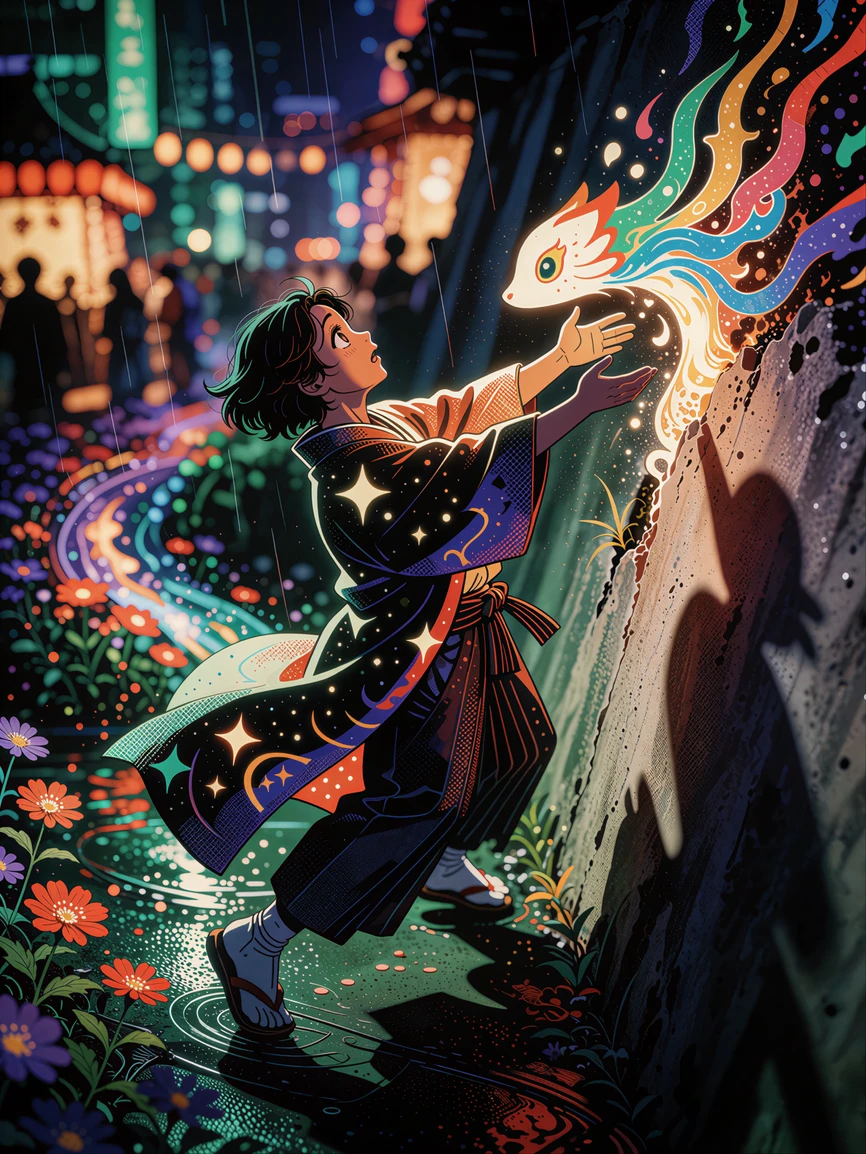
( Not my Model )
https://civitai.com/models/2854228/mythgraft
Creator's note: Mythgraft is part of my first Krea 2 LoRA release series. I am still experimenting and learning, but the dataset was carefully selected, individually captioned, and tested across multiple checkpoints and strengths before release. Feedback and shared generations are genuinely welcome.
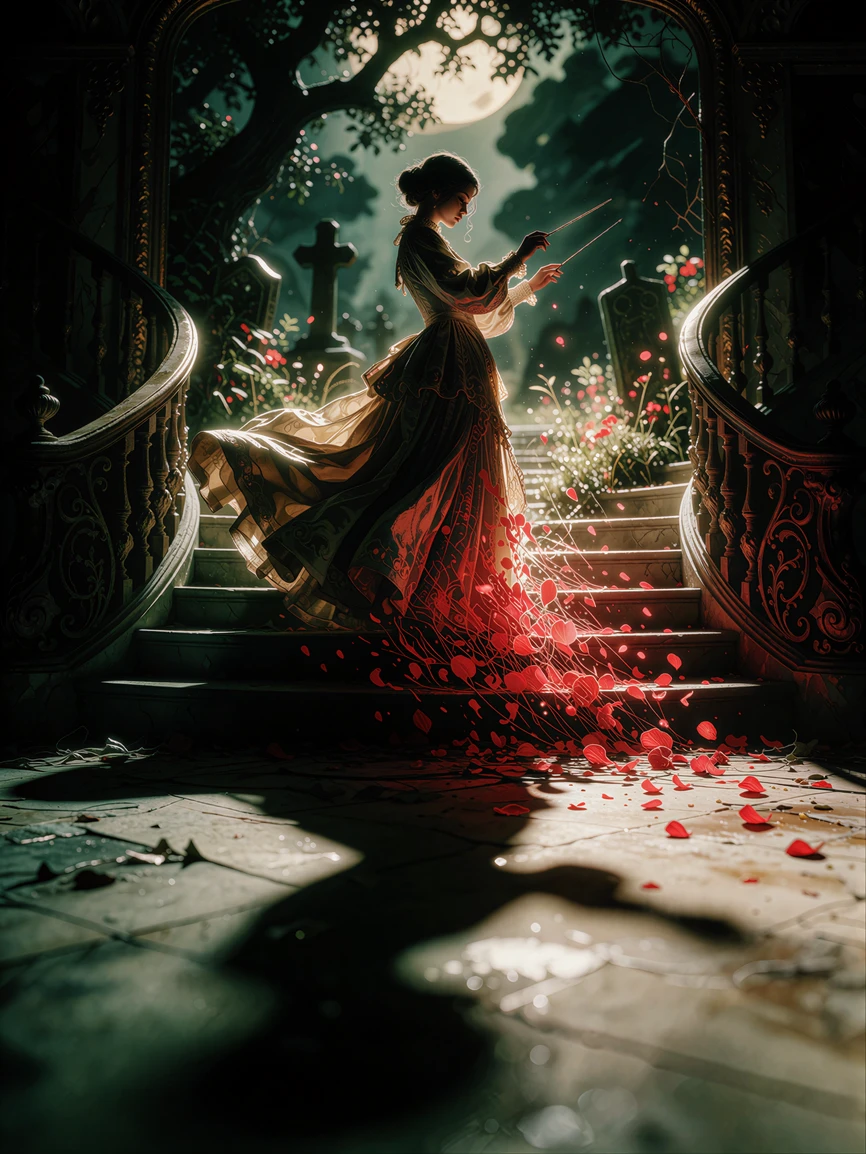
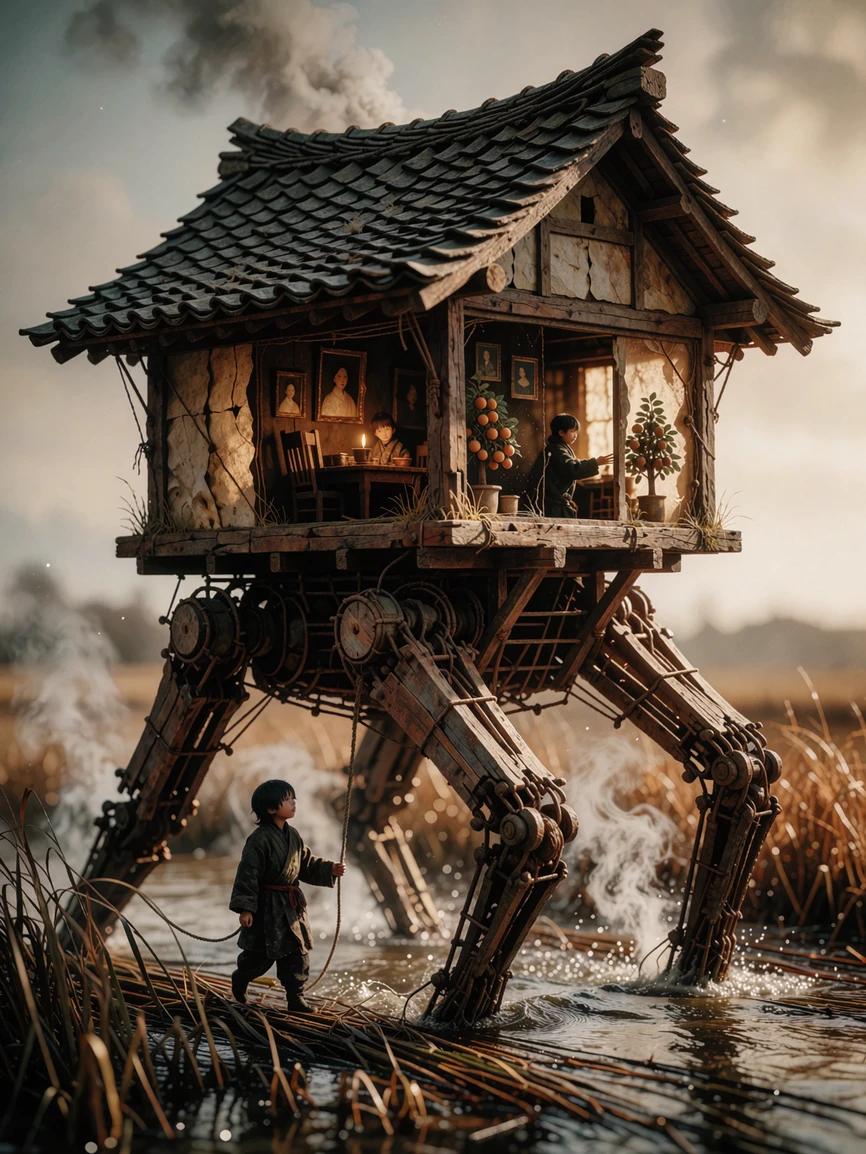
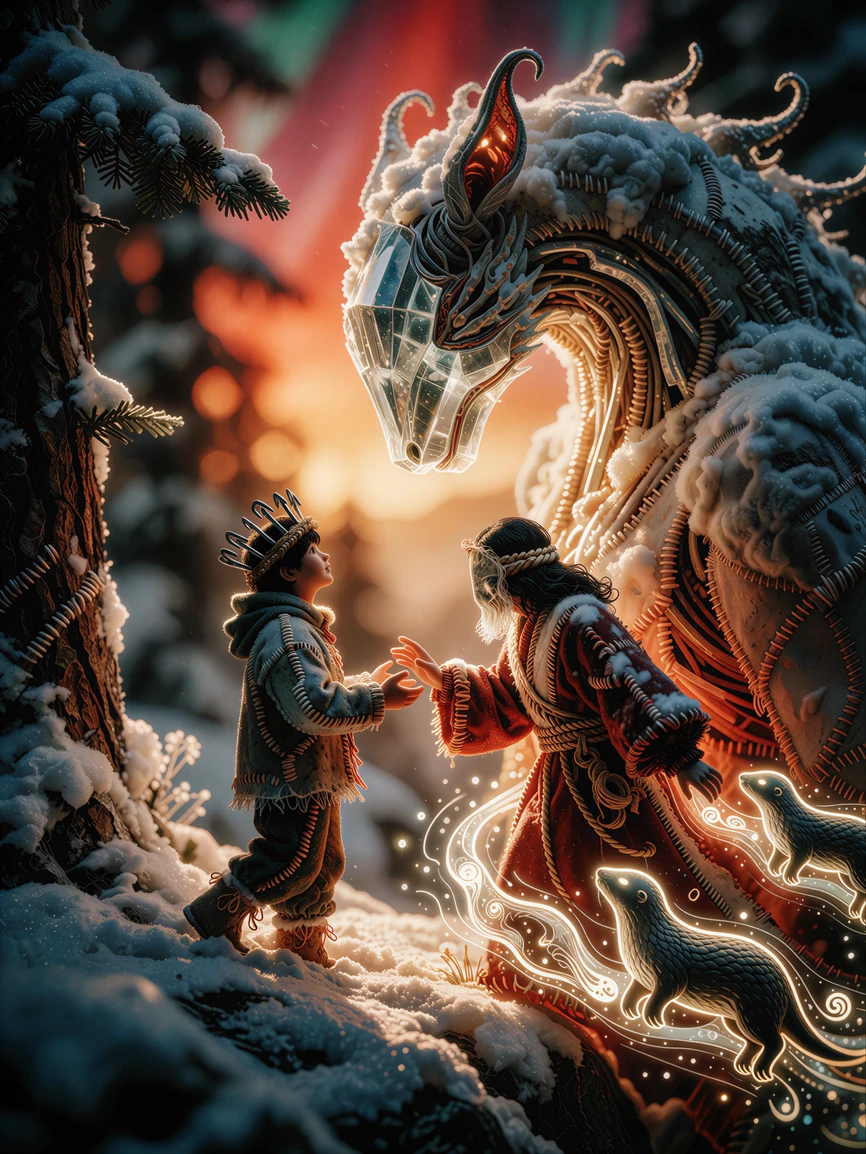
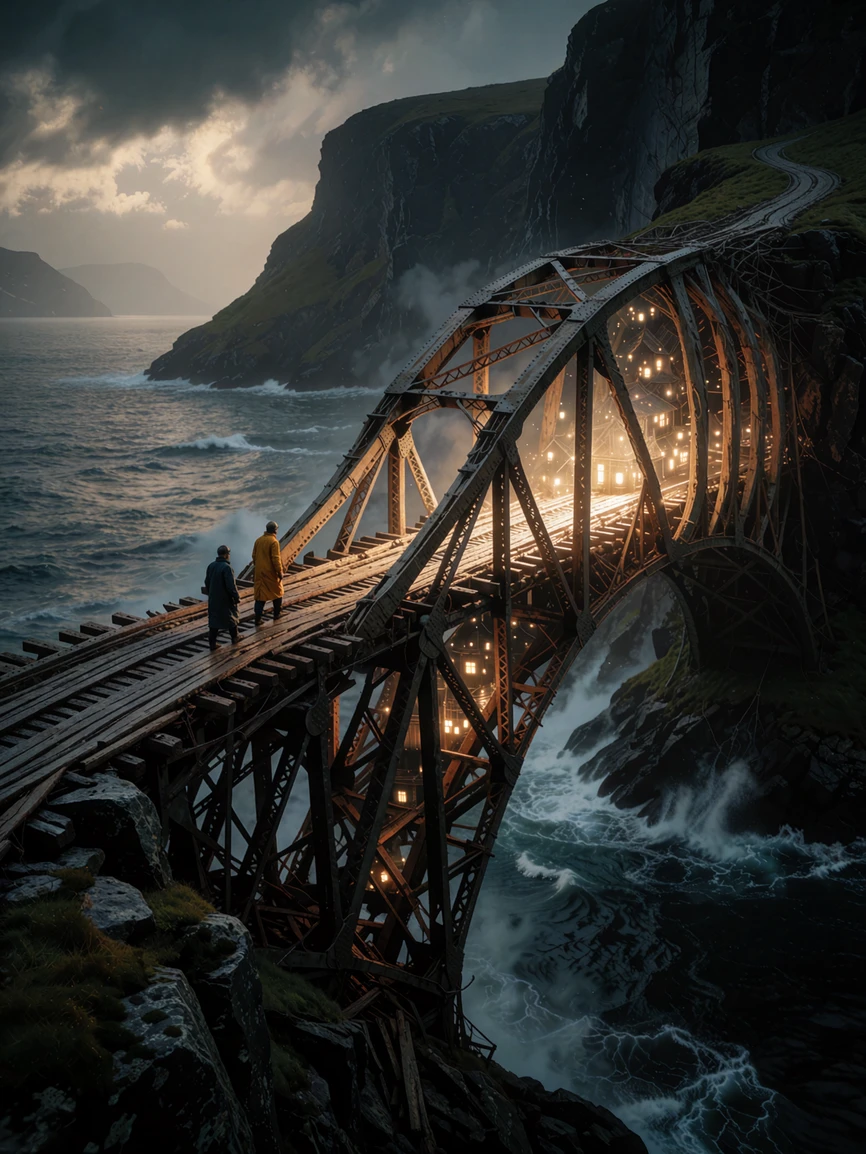
Mythgraft is a material-rich worldbuilding style for images in which relics, machines, sculptures, roots, architecture, and miniature environments seem to have grown into a single mythology.
Its core idea is grafting : different materials, scales, and histories becoming one coherent object, place, or being. An antique mechanism can grow roots and glass organs; a chest can contain a moving landscape; driftwood, stone, bronze, and translucent structures can form a monumental creature. The result is intended to feel impossible yet tactile—as if it possesses weight, construction, age, and a history of use.
What it does
-
Combines organic, mechanical, architectural, antique, and geological forms.
-
Encourages transformed relics, living ruins, embedded worlds, and unusual material transitions.
-
Adds tactile surfaces such as oxidized metal, cracked stone, carved wood, roots, glass, porcelain, slate, and mineral growth.
-
Turns familiar subjects into discovered artifacts or fragments of a larger mythology.
-
Uses small figures and environmental scale to make objects feel monumental.
-
Supports fantasy invention without being limited to one portal, machine, creature, or historical period.
Mythgraft is not simply a portal or steampunk LoRA. Its identity comes from coherent fusion: materials should appear physically joined, grown through one another, or assembled into a believable impossible structure.
Best used for
-
Ancient machines and speculative artifacts
-
Living architecture and overgrown interiors
-
Monumental creatures assembled from unusual materials
-
Surreal museums, observatories, shrines, and ruins
-
Miniature worlds contained inside ordinary objects
-
Organic armor and sculptural character design
-
Magical archaeology, dark fantasy, and environmental concept art
Usage
No trigger word is required. Load the LoRA and describe the image normally in natural language.
-
Recommended strength:
0.85 -
Useful range:
0.65–1.0 -
Subtle material influence:
0.65–0.75 -
Best general balance:
0.8–0.9 -
Most transformative treatment:
0.95–1.0
Lower strengths add traces of its material language while preserving the base model. Higher strengths produce more monumental forms, denser construction, stronger material fusion, and more assertive fantasy transformation. Around
0.85
gave the best overall balance in controlled testing.
If your interface exposes separate model and text-encoder/CLIP strengths, begin with the same value for both.
Known tendencies and control tips
Mythgraft retained subjects well in testing, while exact material adherence was more variable:
-
It strongly favors monumental relics, elaborate mechanisms, and organic-mechanical hybrids.
-
Brass, bronze, dark metal, translucent glass, and teal or warm luminous cores are especially persistent.
-
Long material lists may be simplified; river stone, weathered wood, or vines can become secondary unless their location and function are stated explicitly.
-
It often increases scale, construction density, and ornament at higher strengths.
-
A simple object may become a shrine, mechanism, sculpture, or contained world.
-
Warm internal illumination may appear even when the prompt only requests reflective or translucent materials.
For strict object design, use approximately
0.65–0.75
, keep the composition explicit, and explain how each essential material connects to the subject. Use
0.9–1.0
when invention and transformation matter more than literal simplicity.