


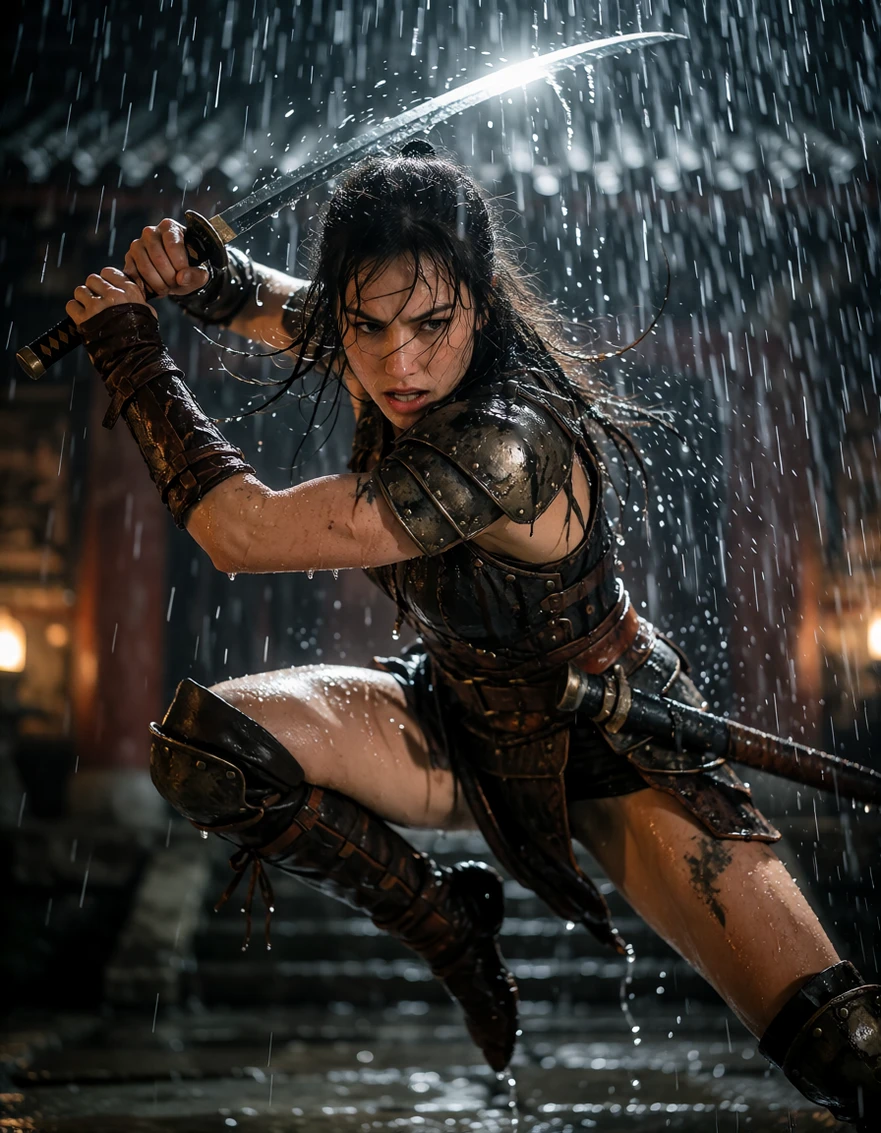
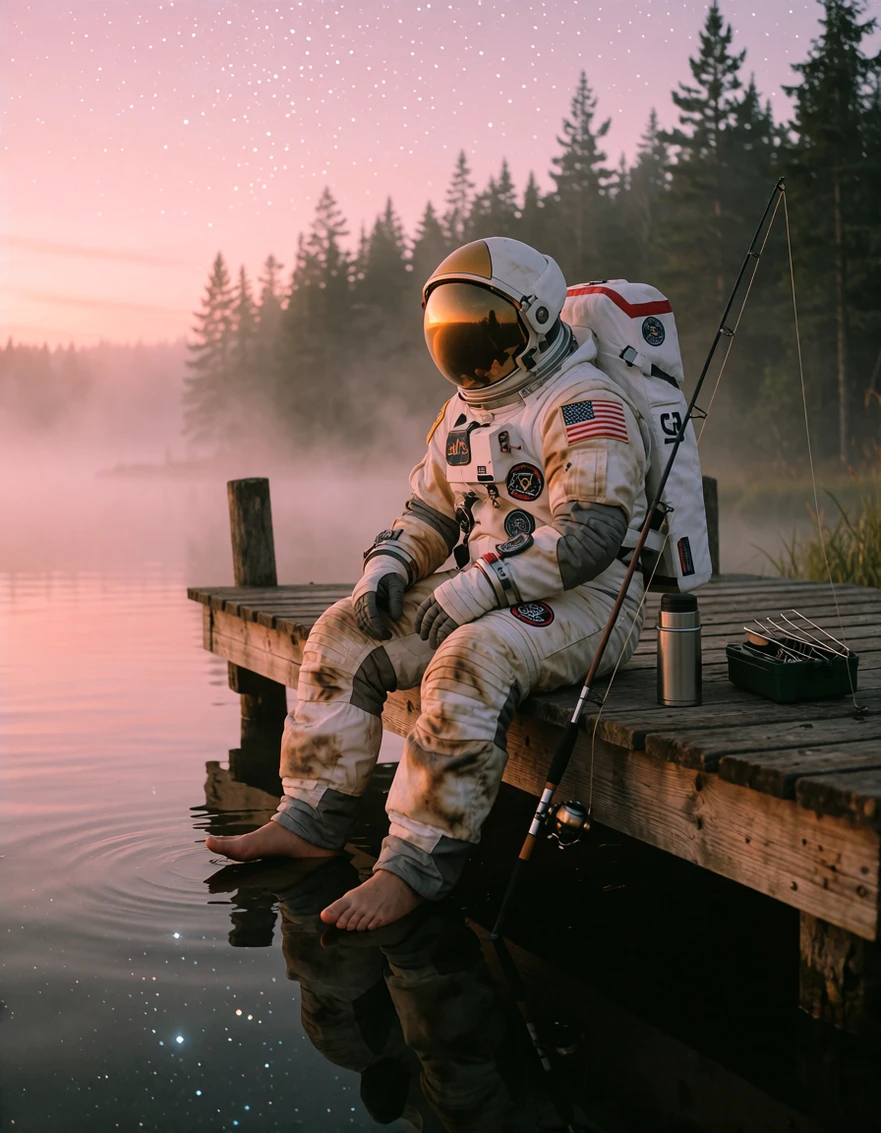
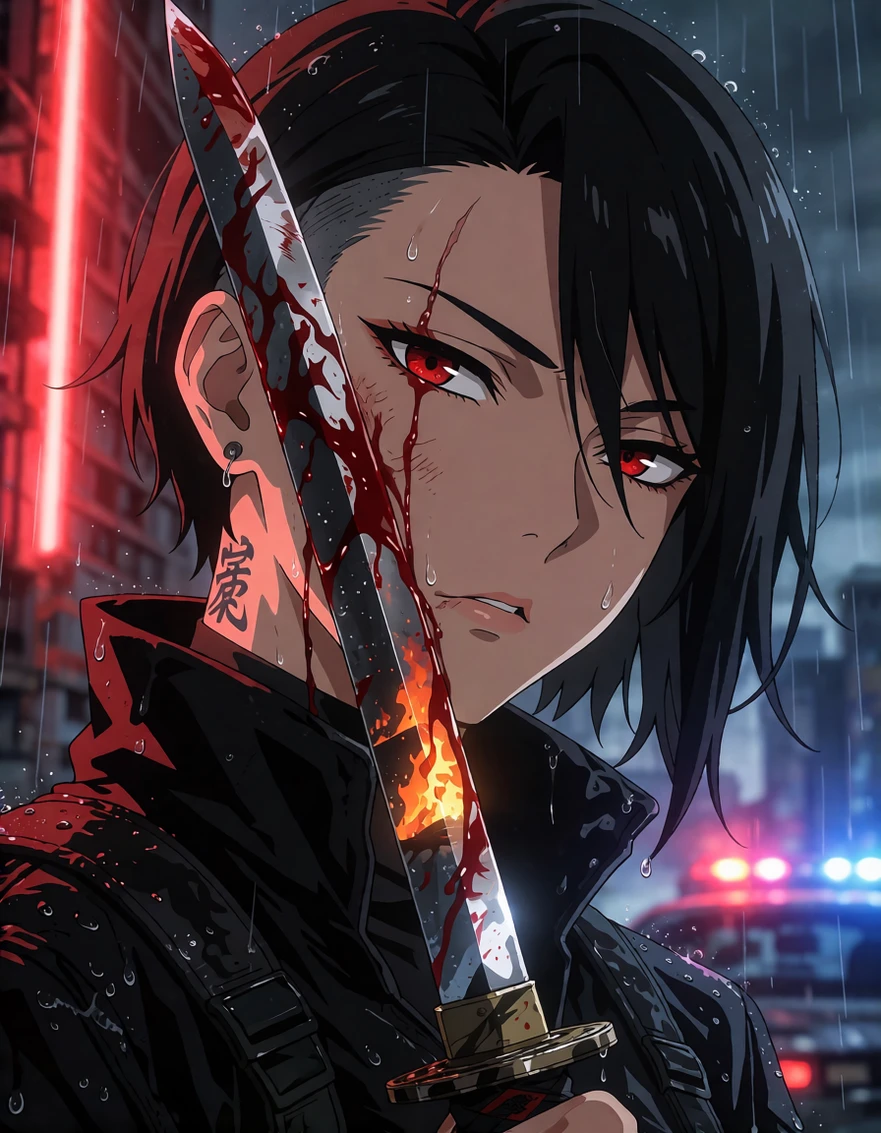
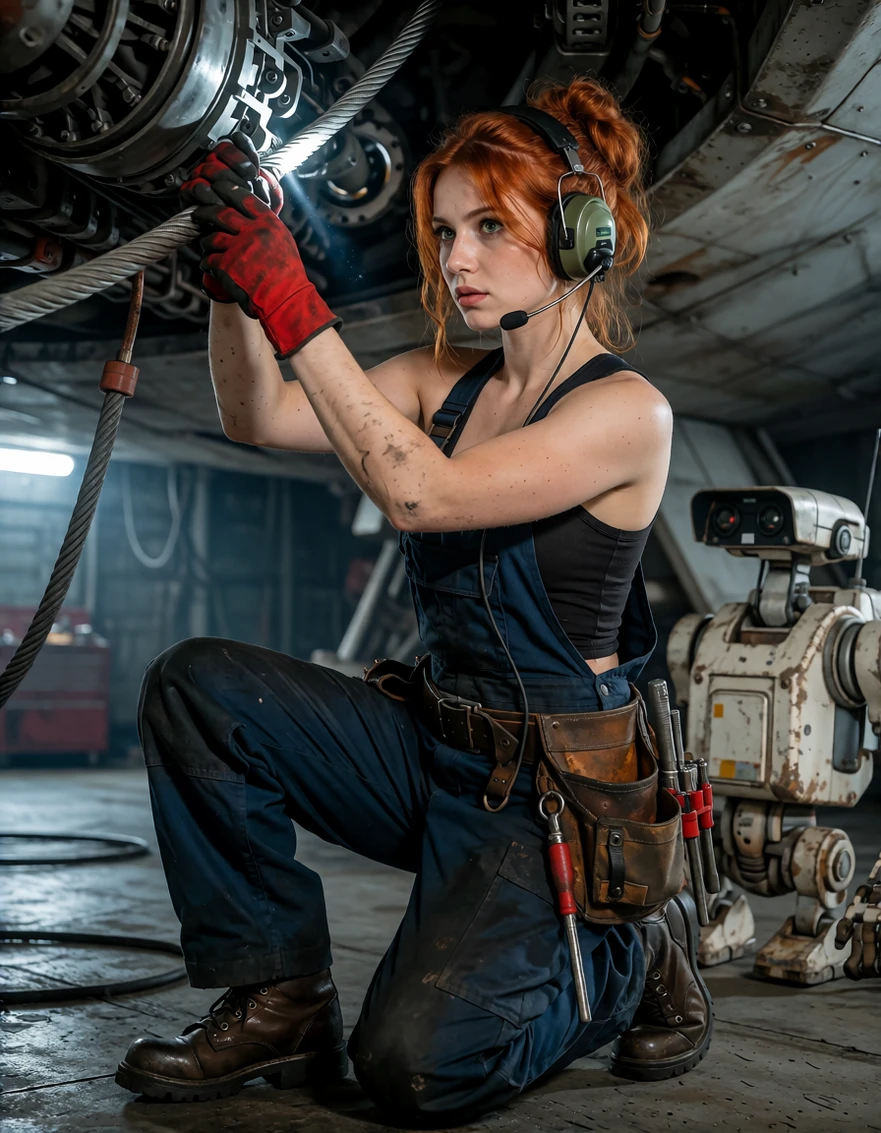
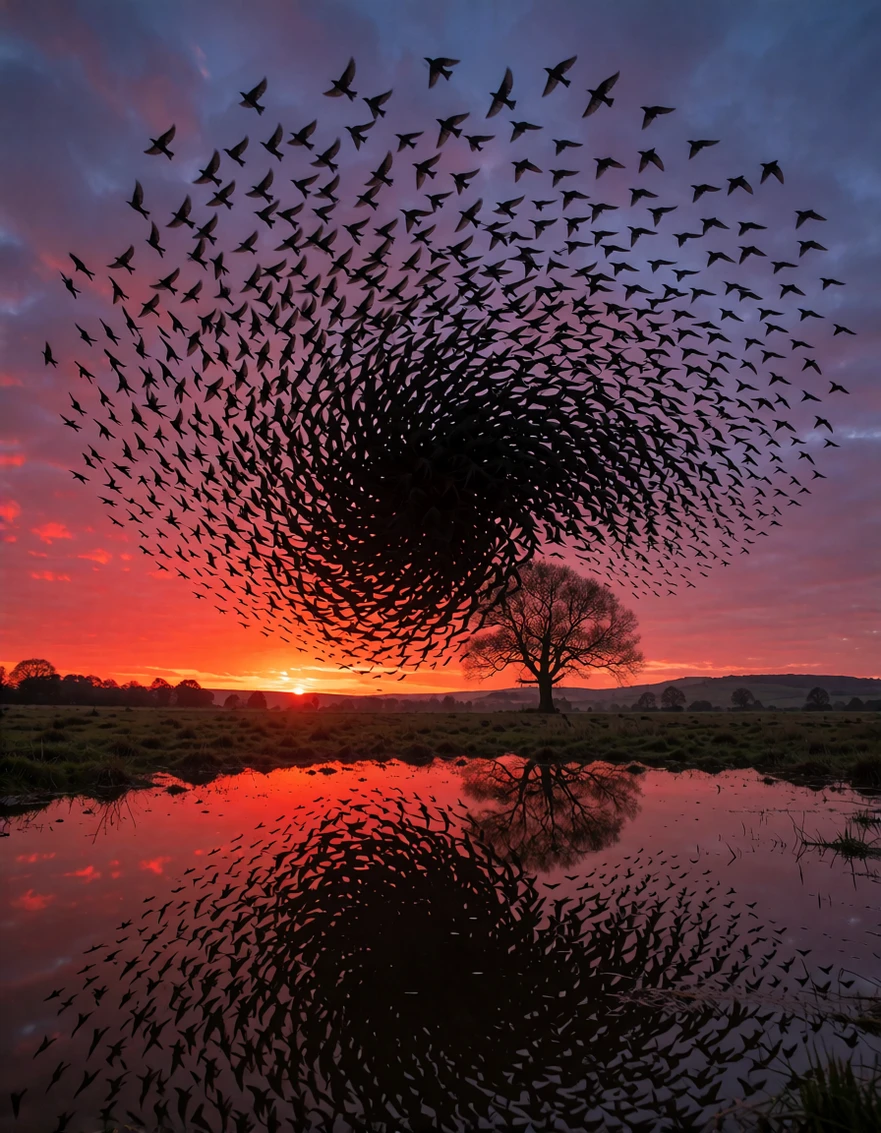
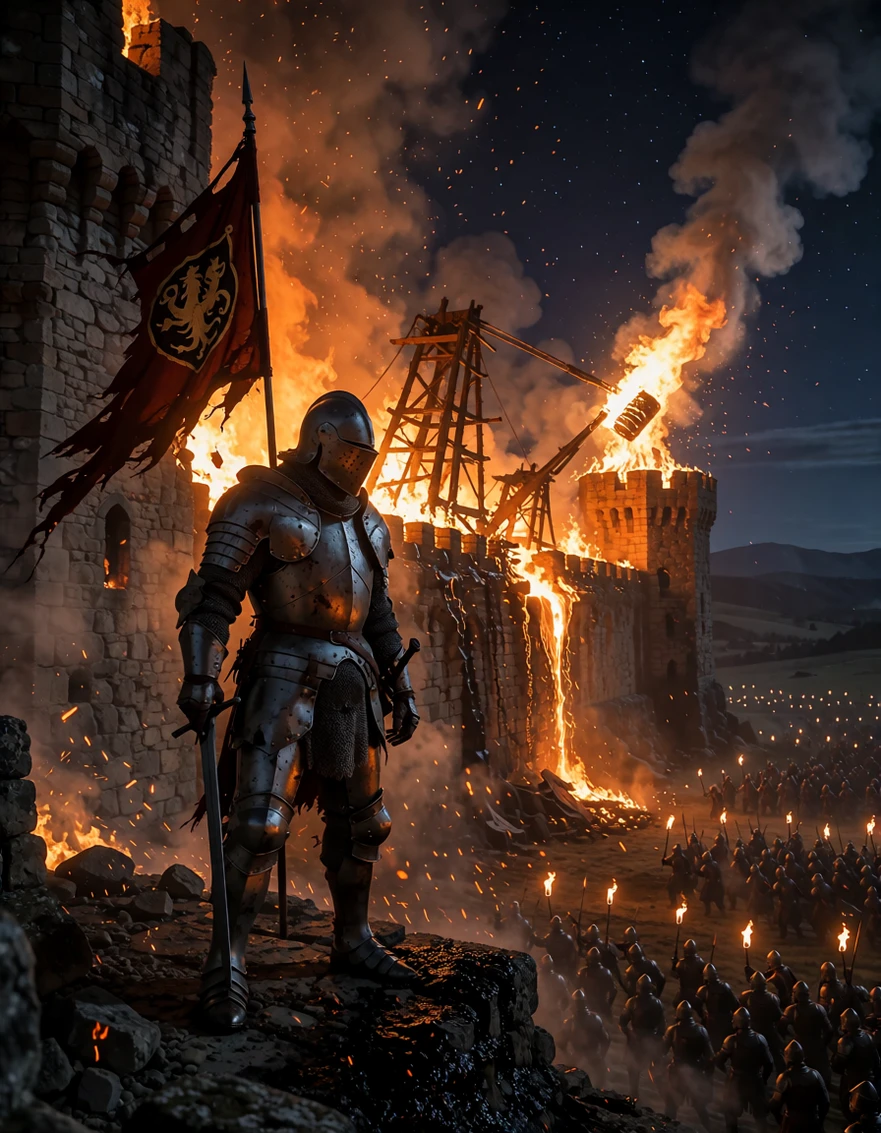
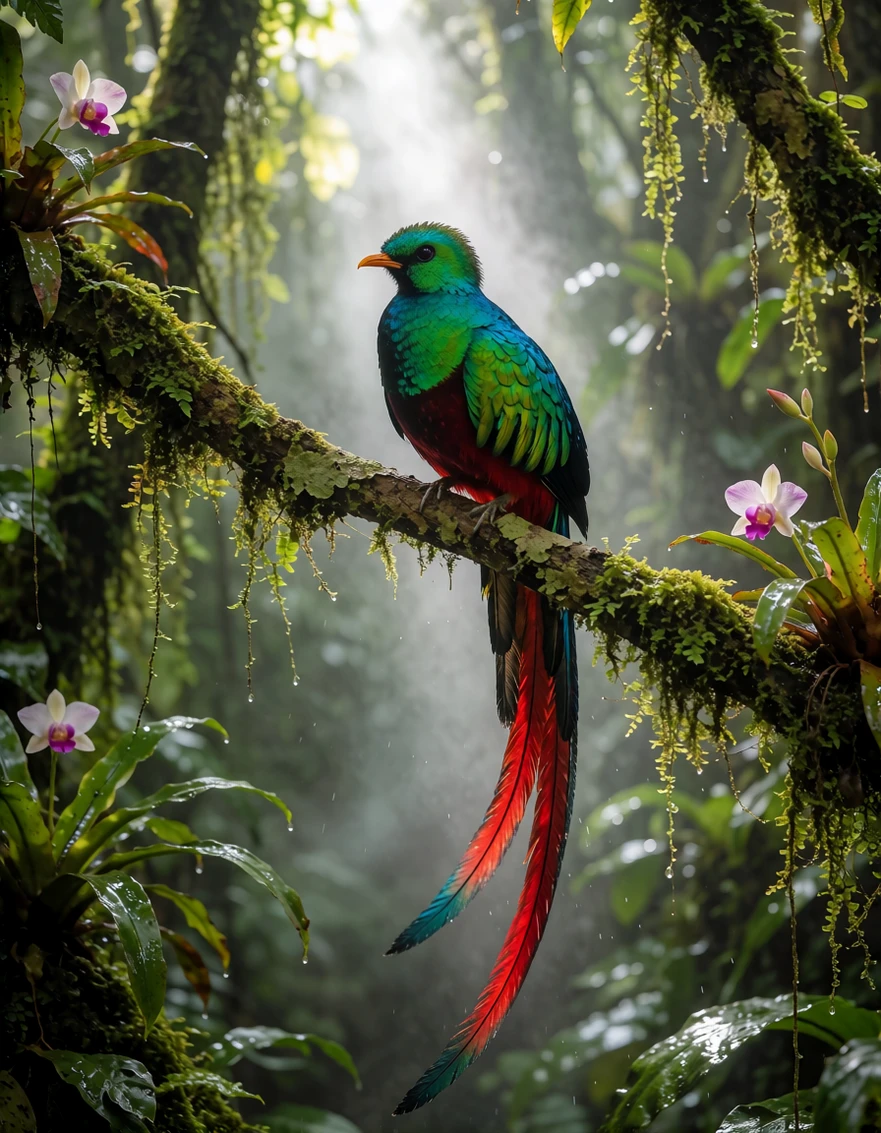
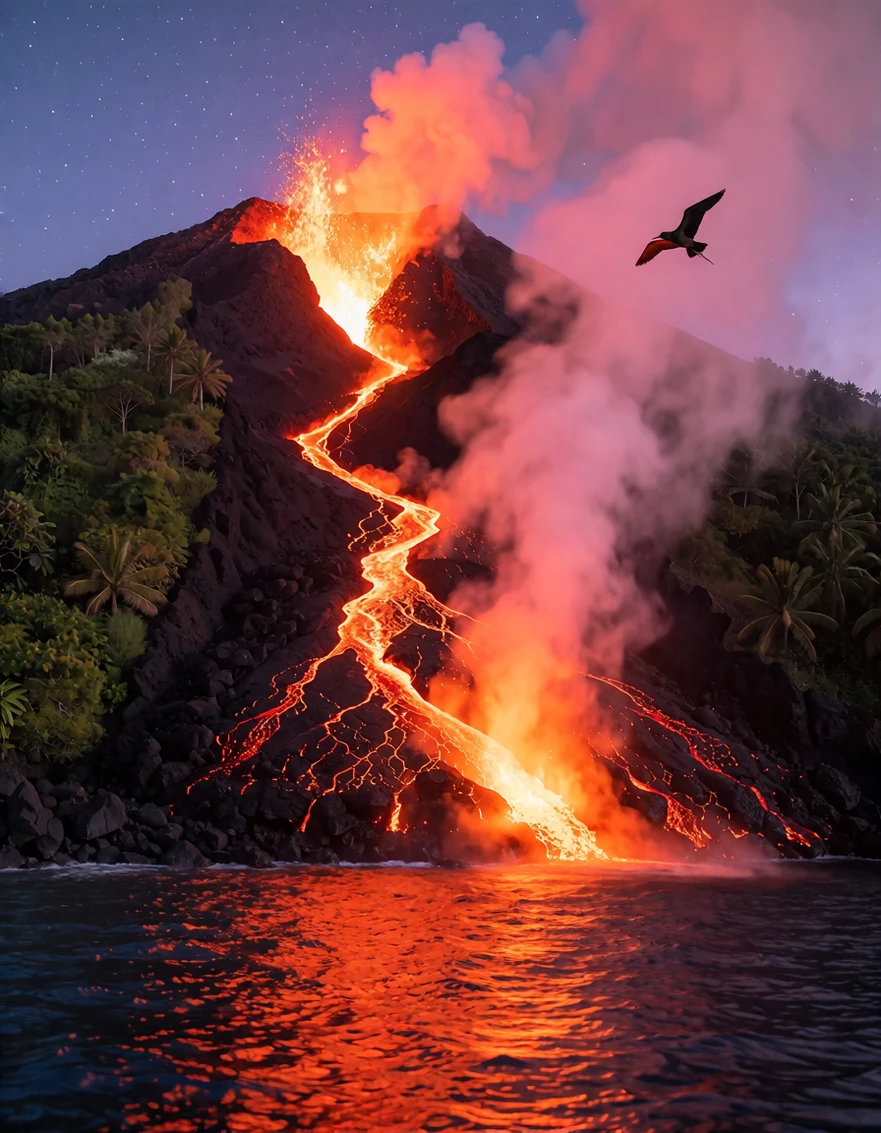
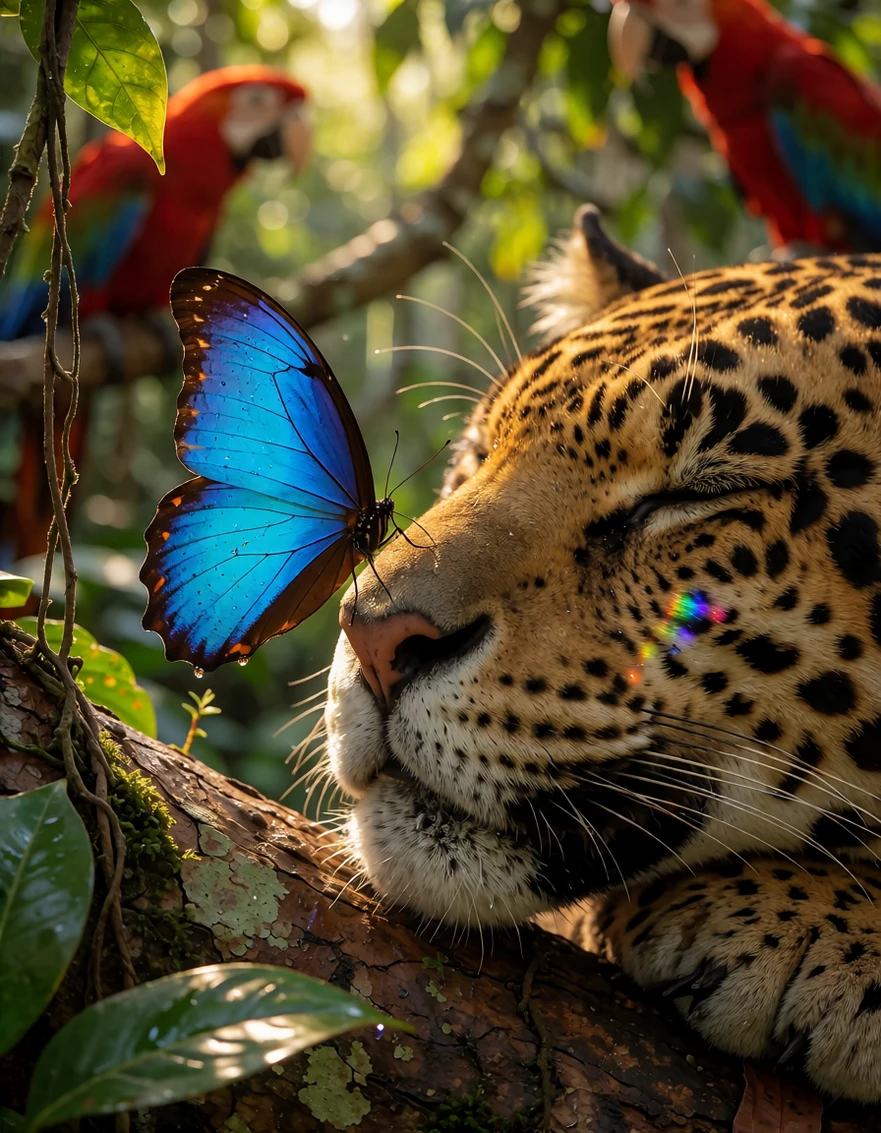
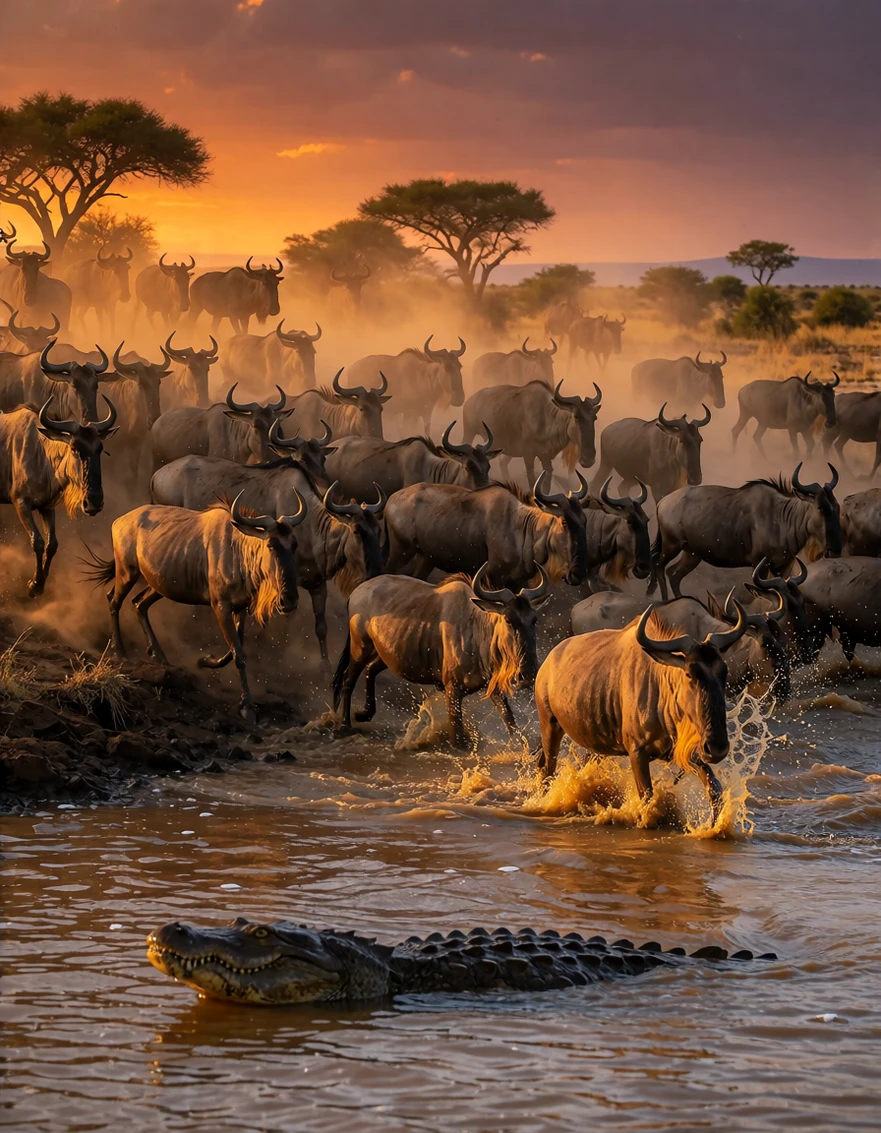
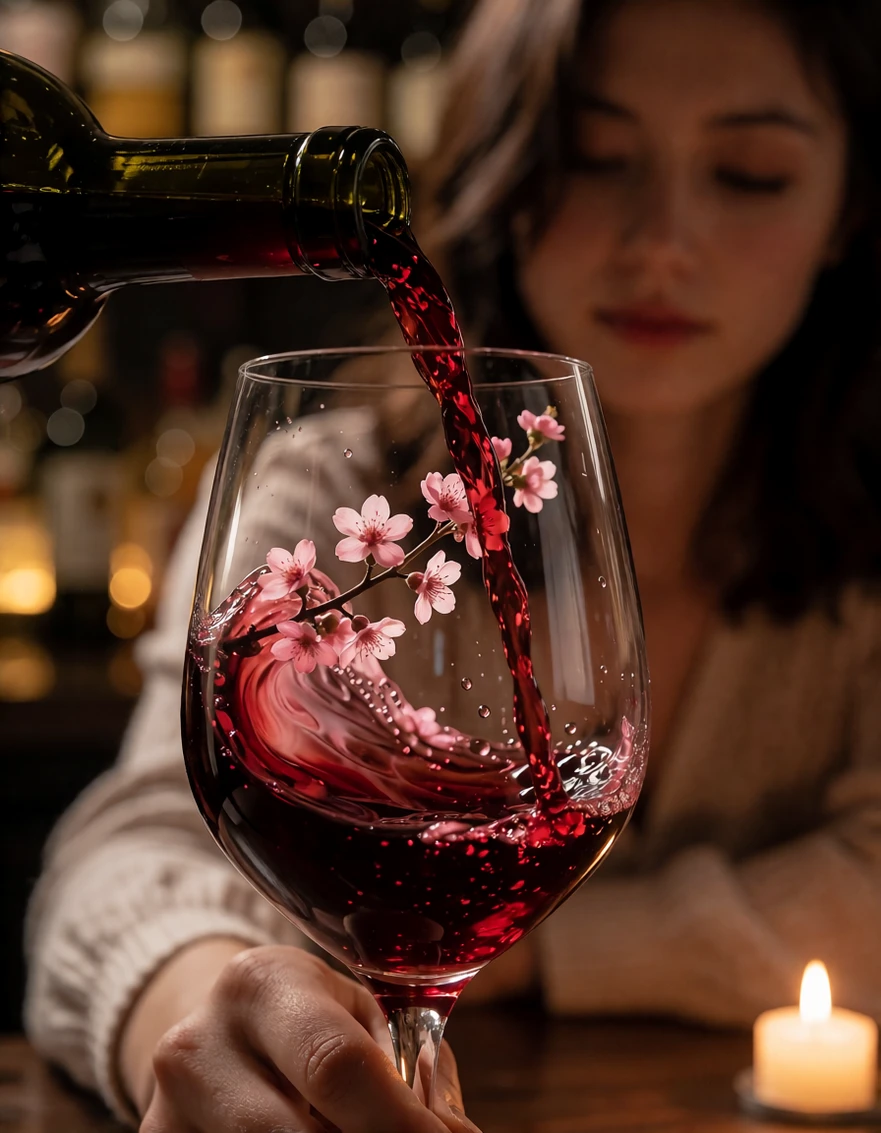
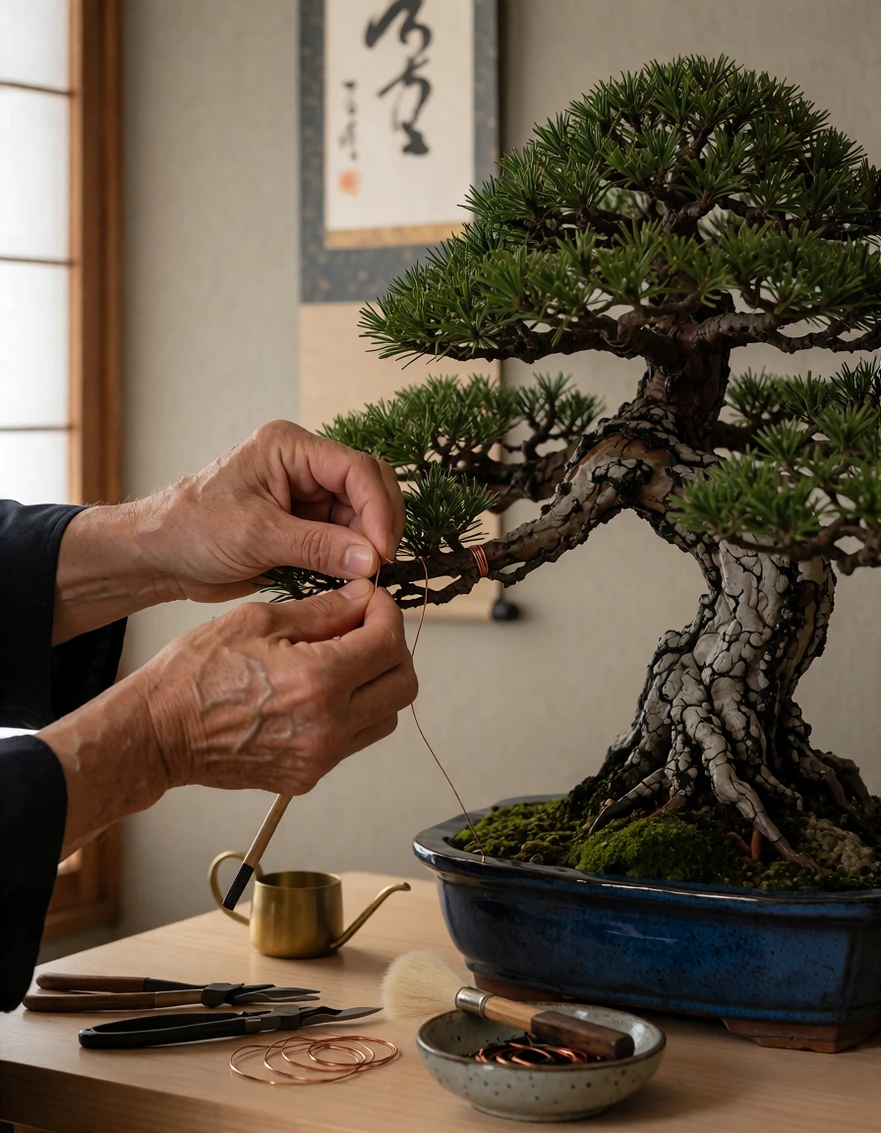
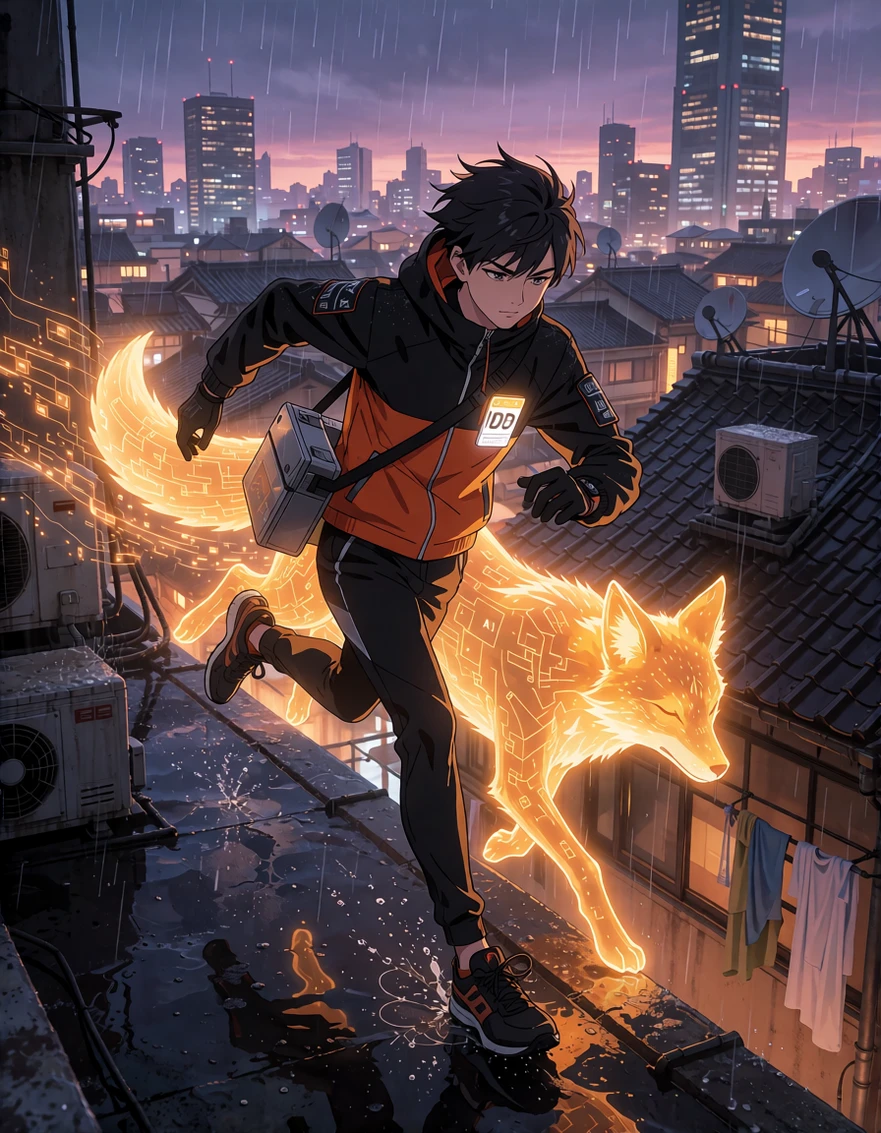
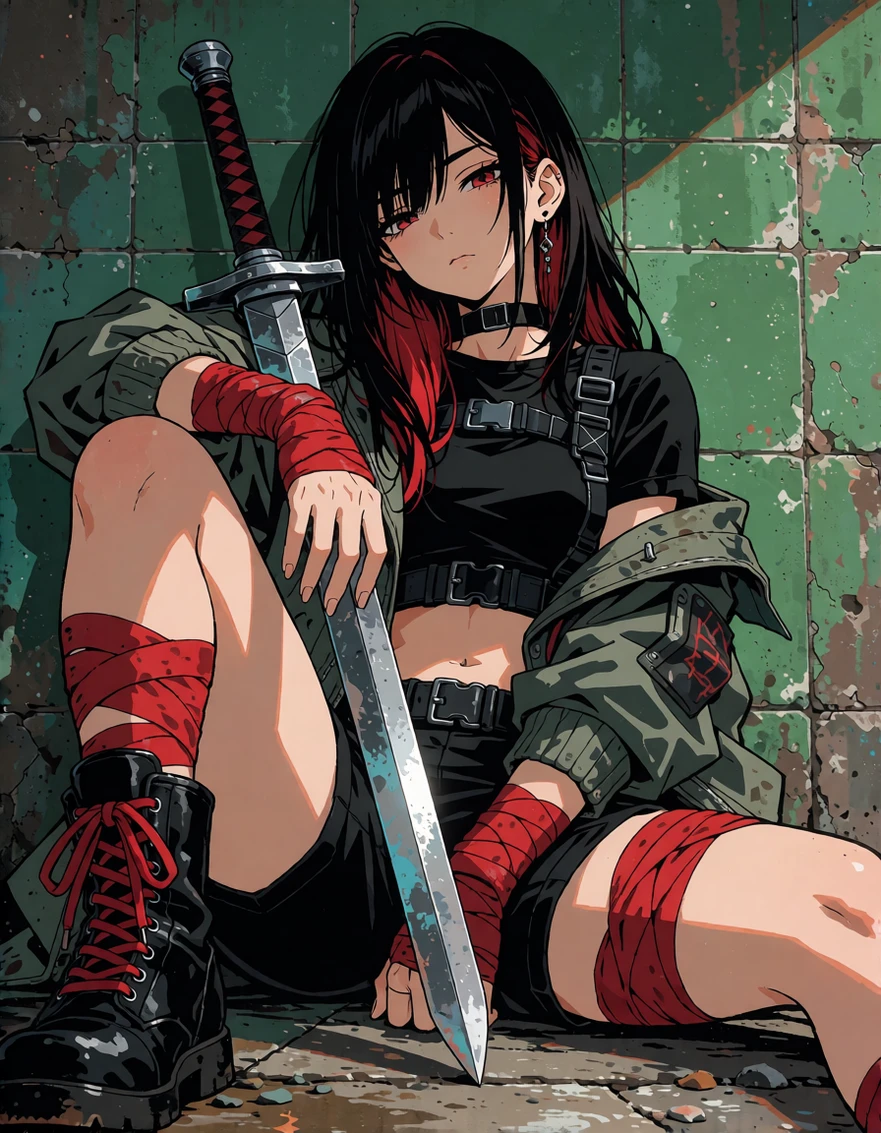
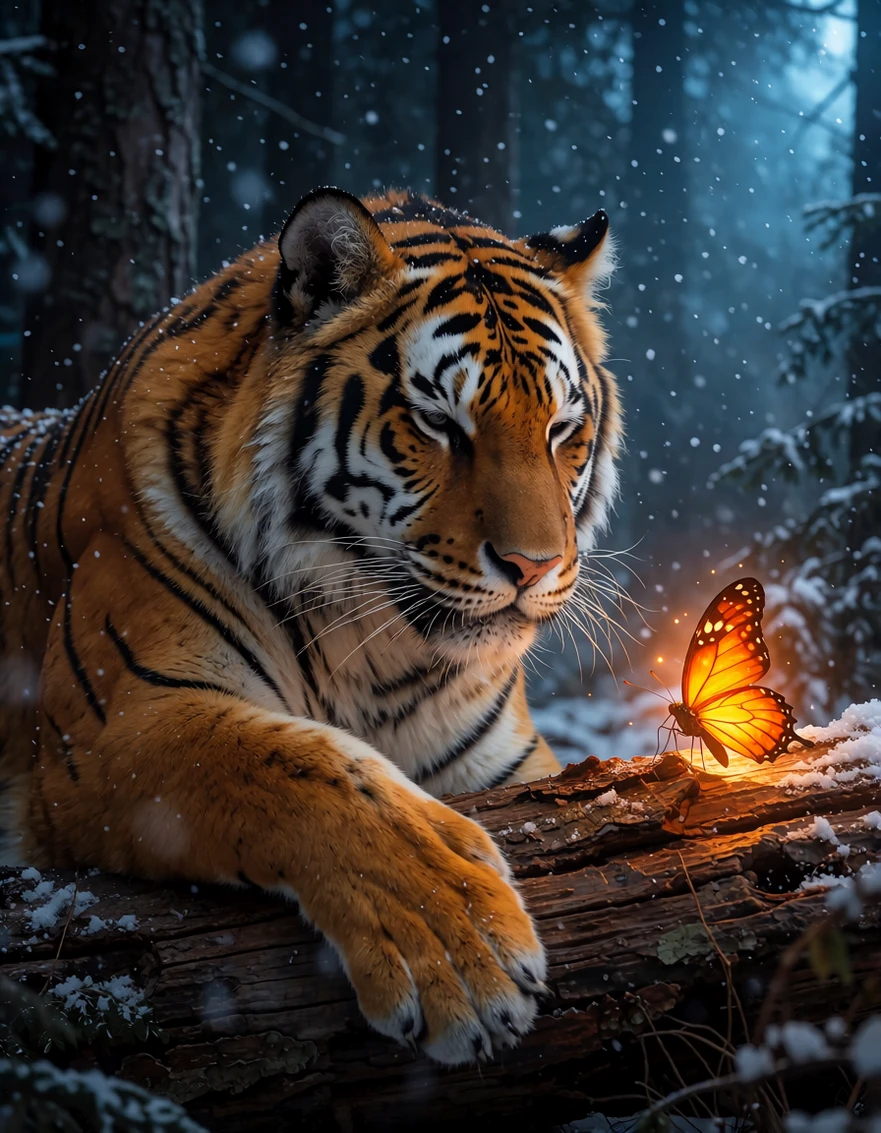
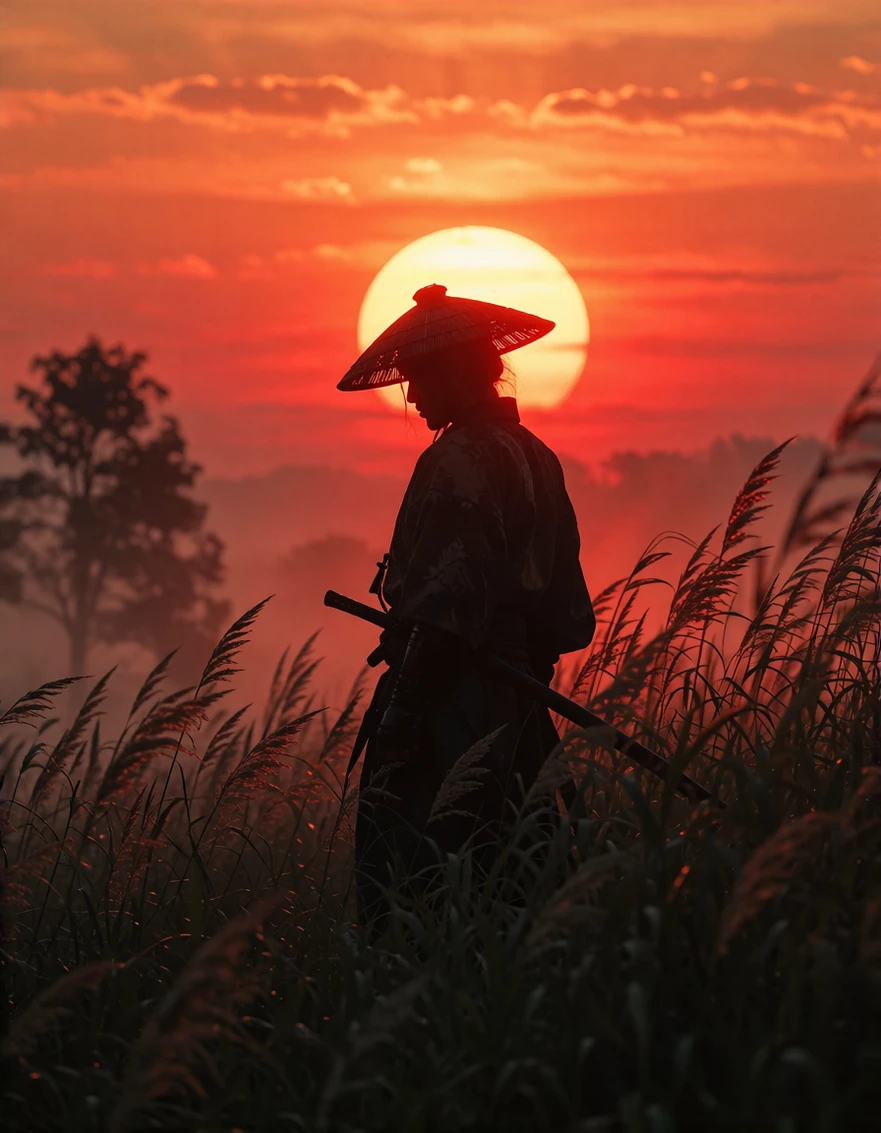
( Not my Model )
https://civitai.com/models/2912137/ronin-aio?modelVersionId=3294139
Ronin
The last horse in the stables — and the most challenging to build.
Like Soliloquy and unlike Solstice and Serendipity, Ronin is not built on the official Krea 2 Turbo base. It is derived from a community merge/finetune — specifically Krea2 Turbo NSFW AIO V1 by bebaszna — whose full model lineage could not be traced or reconstructed. Where Solstice and Serendipity had the clarity of a known foundation, Ronin began with an unknown history and required a fundamentally different, more cautious approach.
The question that started it all: what happens if I take a strong but seemingly abandoned community base with strong character LoRA support and add a dash of Solstice's colour engine, sprinkle in some of Serendipity's micro-detail and prompt adherence, and fold in a measure of Soliloquy's compositional instinct?
Thousands of tests later, Ronin is a reality.
Ronin is an ongoing project and, alongside Solstice, one of my two daily-driver checkpoints — particularly for character LoRA work.
Overview
Ronin is a Krea 2 Turbo checkpoint created through iterative LoRA training and merging into a selected community base model.
It is not a simple checkpoint-to-checkpoint merge, and it is not a clone of its base. Multiple LoRAs were independently trained, each contributing different visual characteristics. These were evaluated, refined through extensive comparative testing, and merged — some iteratively — into the base to produce a model with its own distinct visual identity.
The base model is excellent in its own right, particularly for character LoRA compatibility. Ronin was built to preserve that strength while pushing the model's rendering intelligence significantly further.
Working with an untraceable lineage meant every merge decision carried more risk. Without knowing exactly what was already in the weights, each LoRA integration required careful A/B testing to ensure improvements were genuine and nothing was being inadvertently degraded. This slower, more iterative process ultimately shaped Ronin's development philosophy: test everything, assume nothing, trust only the output.
What Ronin Does Differently From Its Base
Ronin's improvements over the base model are consistent and directional. They are not random variation — they are systematic upgrades that hold across genres, subject matter, and prompt styles.
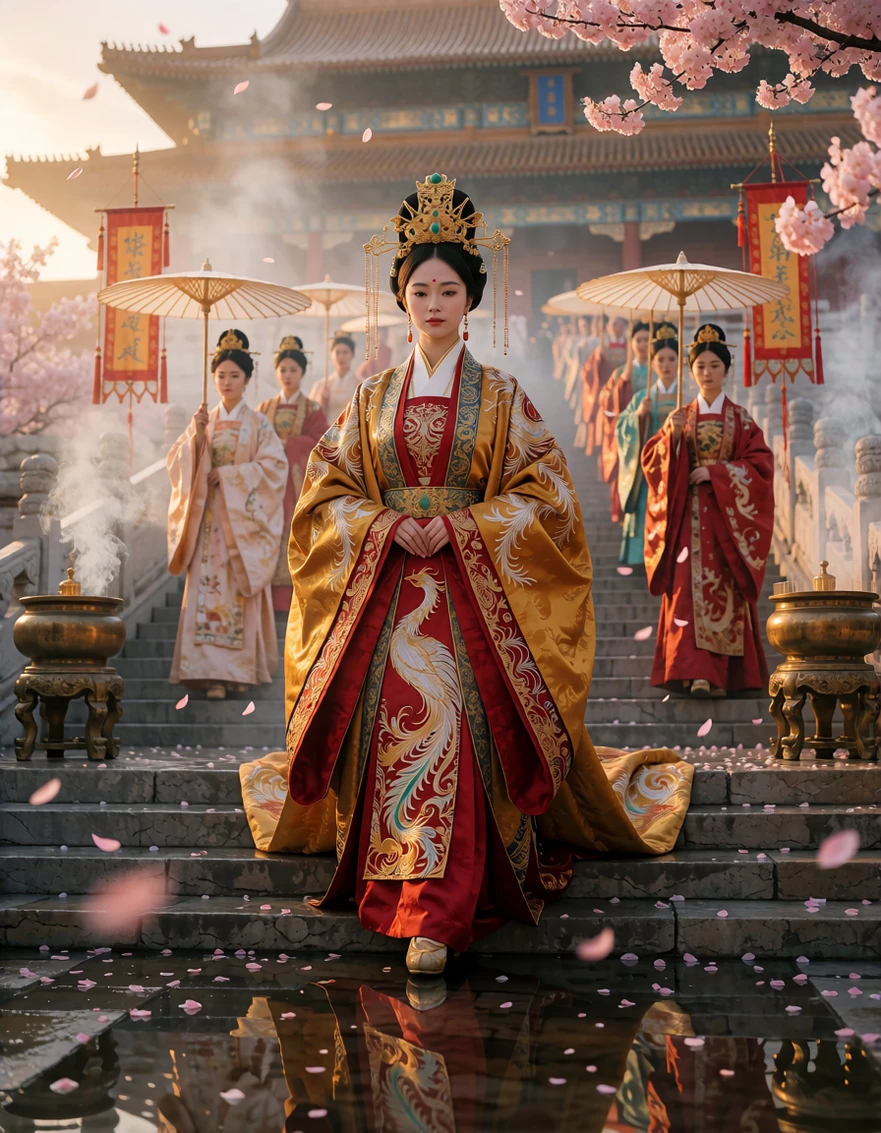
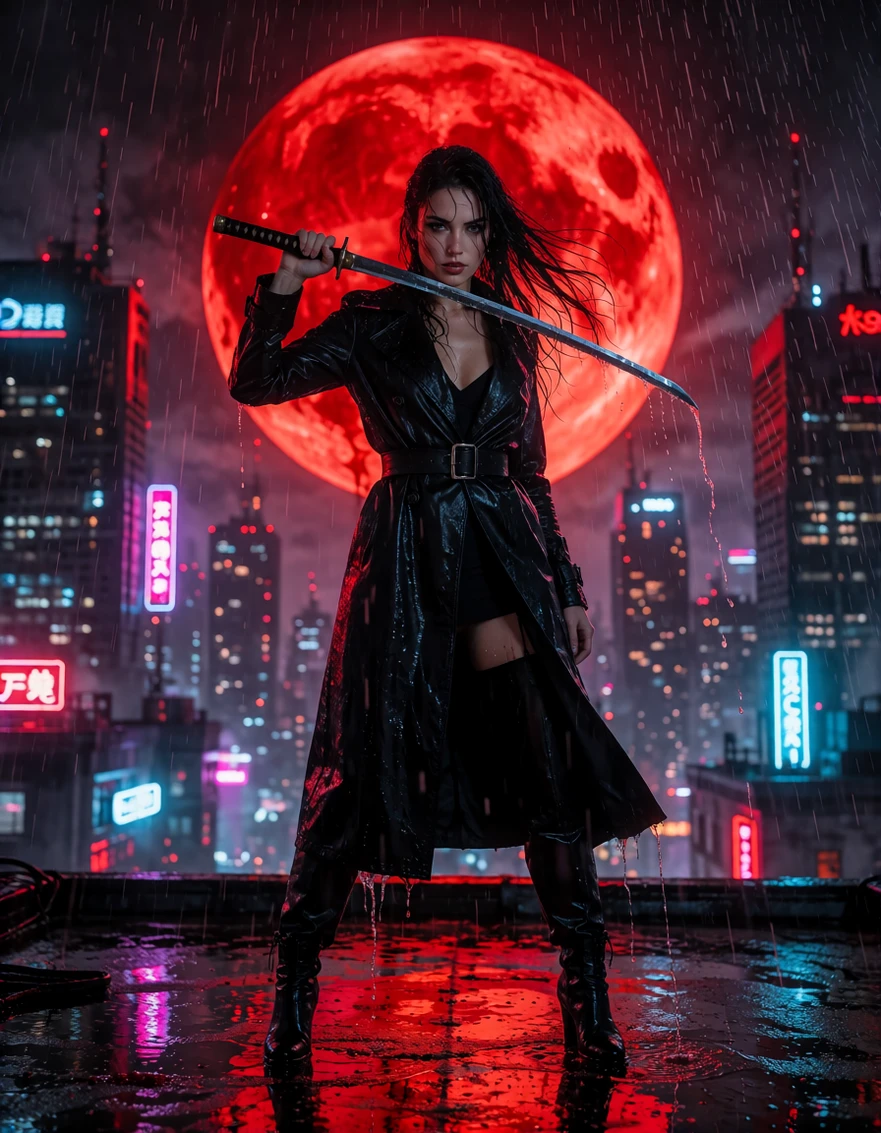
Material Rendering & Texture Fidelity Ronin produces richer, more physically convincing materials. Wet leather looks like wet leather — with weight, creasing, and sheen that respond to light direction. Silk has visible weave structure and embroidered patterning. Metal has accurate specular response. Chainmail resolves as individual interlocking rings rather than a texture overlay. Where the base model renders good surfaces, Ronin renders surfaces that behave like real materials under real light.
Contextual & Cultural Intelligence This is Ronin's defining trait. It does not simply generate "a temple" or "traditional clothing" — it generates the right temple and the right clothing for the context described. Wuxia scenes receive appropriate period hairstyling. Moroccan interiors get correct architectural layering — zellige tilework below, carved stucco frieze above. Viking equipment reflects actual Norse material culture. Japanese forge scenes include the correct workshop garments and tool types. Ronin understands what belongs in a scene, not just what looks good in one.
Environmental World-Building Ronin constructs more complete environments with greater depth, detail, and physical logic. Backgrounds are not afterthoughts — they are coherent spaces with architectural structure, atmospheric perspective, and contextually appropriate elements. A Gothic cathedral floor shows remnants of its original checkerboard tilework beneath the moss. A Bangkok fight ring has posters on the walls and a cameraman in the crowd. A rooftop has weathered planks and railing wire rather than generic concrete.
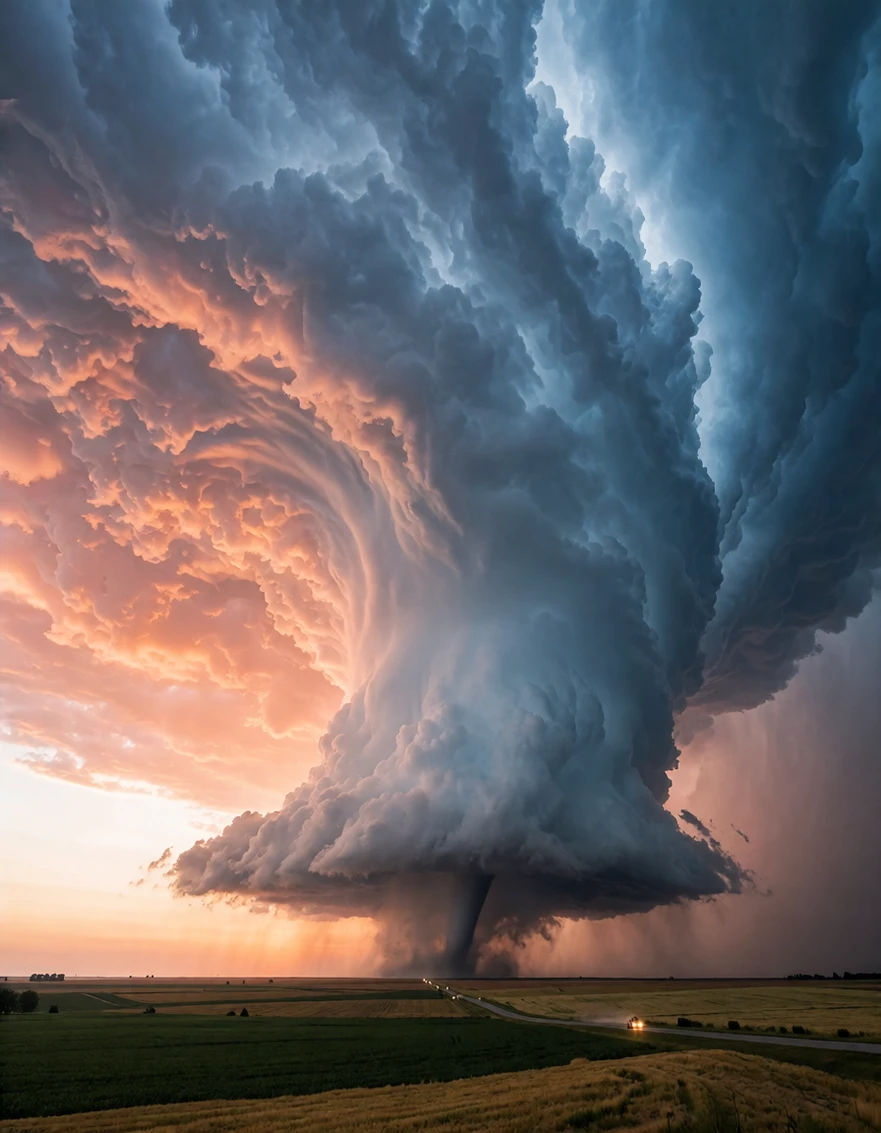
Atmospheric & Physical Accuracy Light, smoke, water, and weather behave more realistically. Smoke transitions from warm orange near a heat source to cool blue-grey as it rises and cools. Mud follows gravity down skin in rain rather than sitting as a uniform grime layer. Water sheets across reptile scales rather than beading artificially. Atmospheric haze separates foreground from background with realistic depth falloff. These are subtle improvements individually, but they accumulate into a meaningfully more believable image.
Color Separation & Chromatic Richness Where the base can lean toward monochromatic color washes — particularly in neon-lit or night scenes — Ronin introduces greater chromatic variety. Neon spills in multiple distinct hues. Puddle reflections carry color from surrounding light sources rather than defaulting to uniform tones. The overall palette is richer and more separated without becoming oversaturated.
Compositional Storytelling Ronin makes compositional choices that serve narrative over spectacle. A blacksmith is shown working at the forge with tongs gripping hot metal — not simply standing near fire. Hair is styled functionally for a fighter rather than defaulting to loose and dramatic. A cracked porcelain mask is held with visible emotional weight. The model tends toward scenes that feel inhabited and intentional rather than posed.
Character LoRA Compatibility Ronin inherits and preserves the base model's excellent LoRA compatibility — one of the primary reasons this base was selected. Trained character likenesses integrate cleanly with minimal interference to the trained features. This was a non-negotiable requirement throughout development. Any merge iteration that degraded LoRA performance was discarded.
Visual Character
Ronin tends toward:
Grounded photorealism with strong environmental context
Material authenticity — surfaces that behave like real materials under real light
Culturally and historically informed scene construction
Rich chromatic palette with natural color separation
Atmospheric depth with realistic haze, fog, smoke, and weather behavior
Compositional choices that serve narrative over spectacle
Functional character design — clothing, hair, and equipment that make contextual sense
Strong prompt adherence with intelligent interpretation of cultural and environmental details
Excellent character LoRA integration
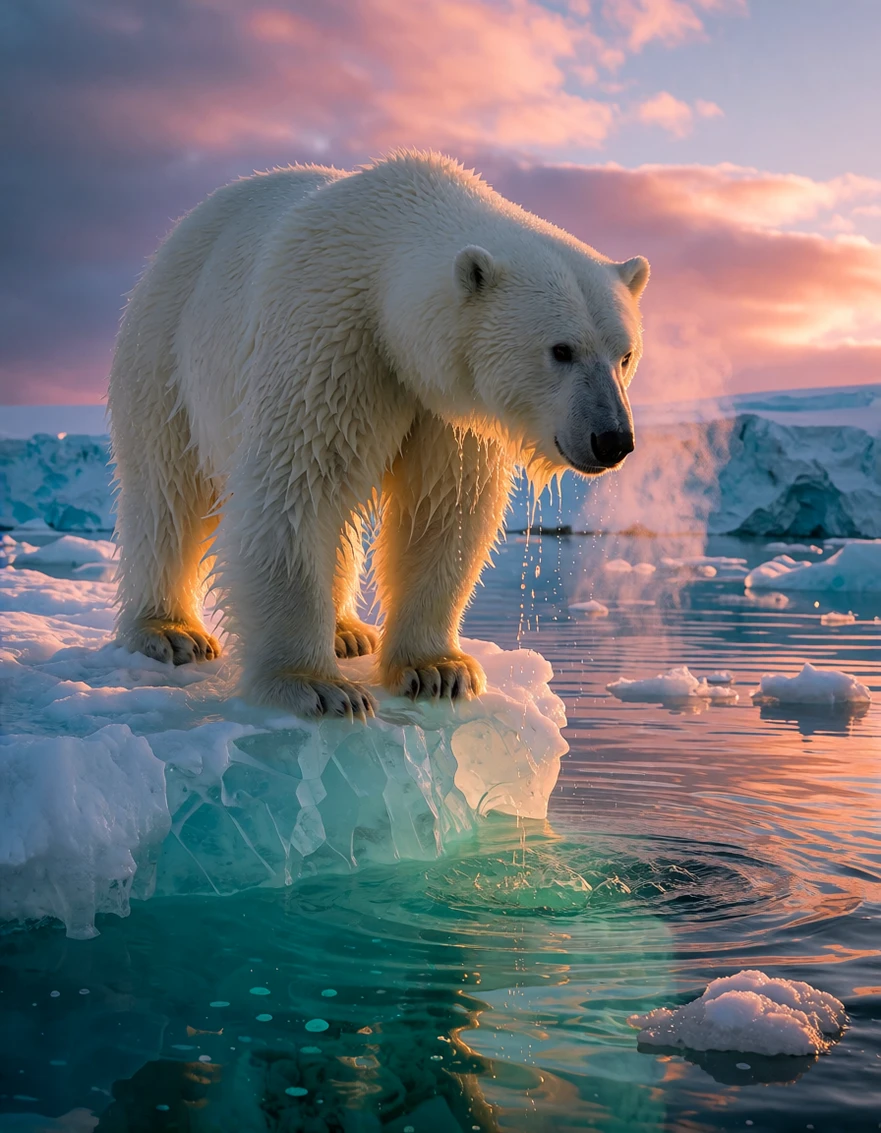
Genre versatility — cyberpunk, wuxia, dark fantasy, urban photography, portraiture, wildlife, historical, science fiction
Where Ronin Fits
Ronin is the fourth and final model in a stable of four, each with a distinct visual identity:
Soliloquy (The Photographer): Intimate photorealism, un-airbrushed skin, tactile surfaces, macro detail, beauty photography, close-range portraiture. The 85mm prime lens of the family.
Serendipity (The Director): Cinematic storytelling, camera placement, spatial depth, dynamic motion, multi-subject scenes, complex stage direction. Built around what is happening inside the frame.
Solstice (The Icon): Cinematic realism, elegance, visual harmony, refined subject presentation. Excels when you want fantasy, cyberpunk, glamour, action, or everyday scenes to feel photographed rather than illustrated.
Ronin (The World-Builder): Contextual intelligence, material authenticity, environmental coherence. Excels when the truth of the world inside the frame matters as much as its beauty. The model that knows what a Moroccan riad wall is actually made of.